Recent investigations into the neuroanatomy of the human brain have produced groundbreaking findings concerning the differences between male and female brains. A new study published in Biology of S


Approximately 20% of American adolescents experience a mental health disorder each year, a number that has been on the rise. Genetics and life events contribute, but because so many factors are involved, and because their influence can be subtle, it’s been difficult for researchers to generate effective models for predicting who is most at risk for mental health problems.
A new study from researchers at Washington University School of Medicine in St. Louis provides some answers. Published Sept. 15 in Nature Mental Health, it mined an enormous set of data collected from pre-teens and teens across the U.S. and found that social conflicts—particularly family fighting and reputational damage or bullying from peers—were the strongest predictors of near-and long-term mental health issues.
The research also revealed sex differences in how boys and girls experience stress from peer conflict, suggesting that nuance is needed when assessing social stressors in teens.
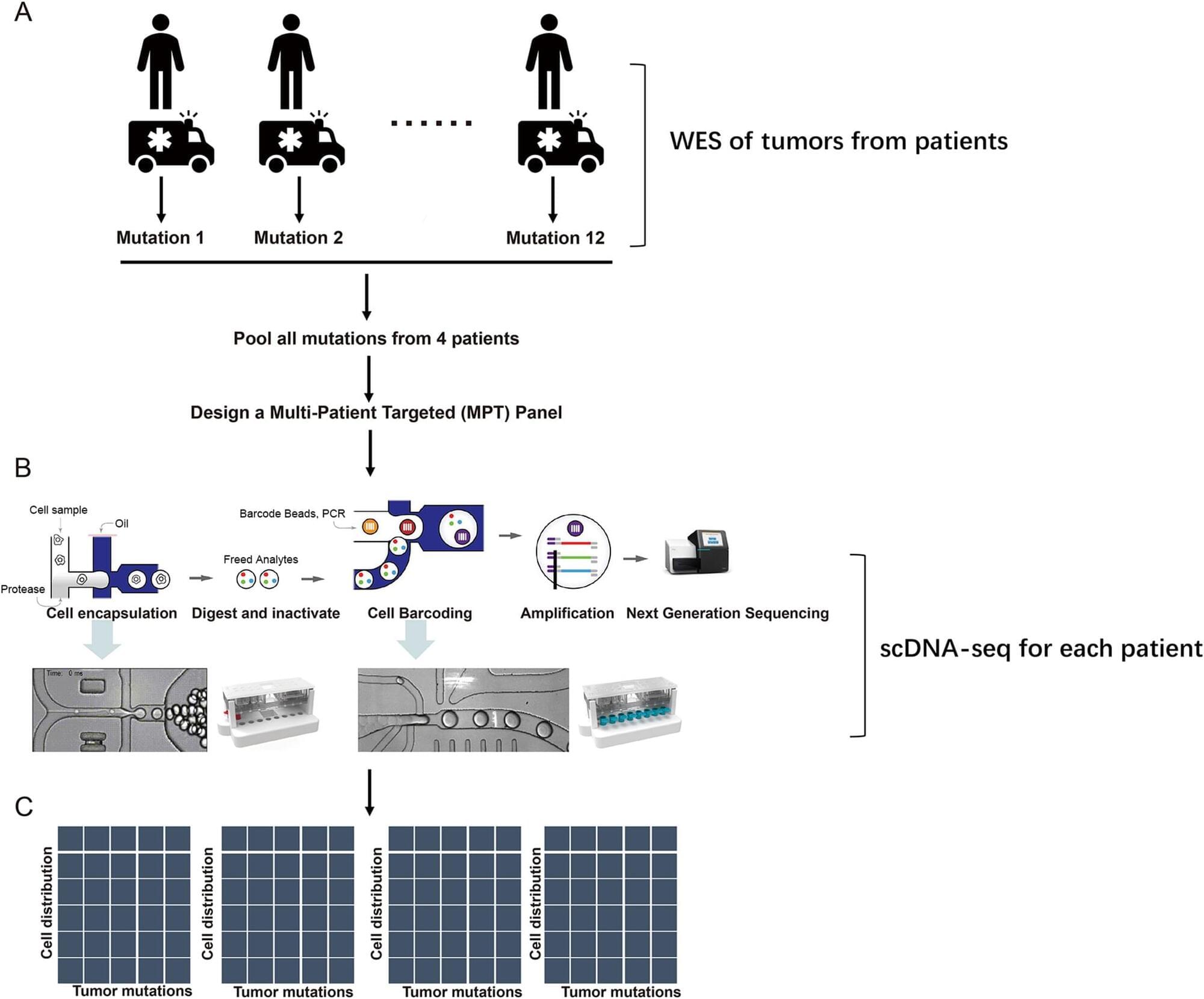
Cutaneous squamous cell carcinoma (CSCC) is a prevalent skin cancer with aggressive progression that poses significant challenges, especially in metastatic cases. Single-cell DNA sequencing (scDNA-seq) has become an advanced technology for elucidating tumor heterogeneity and clonal evolution. However, comprehensive scDNA-seq studies and tailored mutation panels for CSCC are lacking.
We analyzed the genomic landscape of Chinese CSCC patients via a Multi-Patient-Targeted (MPT) scDNA-seq approach. This method combined bulk exome sequencing with Tapestri scDNA-seq. Mutations identified through bulk sequencing were used to design a targeted panel for scDNA-seq. Comparative analysis was conducted to explore the associations between specific gene mutations and clinical characteristics such as tumor stage and patient sex. Clonal evolution analysis was performed to understand the evolutionary trajectories of the tumors.
Bulk sequencing revealed a diverse spectrum of somatic mutations in CSCC tumors, with missense mutations being predominant. The top tumor mutations, such as those in NOTCH1, TP53, NOTCH2, TTN, MUC16, RYR2, PRUNE2, DMD, HRAS, and CDKN2A, presented similar frequencies to those reported in studies in Korean and Caucasian populations. However, the mutation frequencies of HRAS, TTN, MUC16 and MUC4 were significantly different from the Korean and Caucasian populations. Comparative analysis revealed associations between specific gene mutations and clinical characteristics such as tumor stage and patient sex. Clonal evolution analysis via scDNA-seq revealed distinct evolutionary trajectories and their potential correlation with tumor development and patient prognosis. Furthermore, scDNA-seq identified two low-frequency mutation clones, NLRP5 and HMMR, which play important roles in the clonal evolution of CSCC.

Functional near-infrared spectroscopy (fNIRS) is a promising non-invasive neuroimaging technique that works by detecting changes in blood oxygenation linked to neural activity using near-infrared light. Compared to fMRI and various other methods commonly used to study the brain, fNIRS is easier to apply outside of laboratory settings.
This technique requires study participants to wear a special cap fitted with optodes, which consist of light sources that emit near-infrared light into the scalp and detectors that measure the light that is reflected back. These measurements can be used to estimate blood oxygenation in the brain’s outer layers. Despite its potential for conducting research in everyday settings, the quality of signals collected using fNIRS is known to be influenced by biophysical factors.
A team of researchers at Boston University recently set out to better delineate the extent to which people’s hair and skin color, age and sex impact the quality of fNIRS signals picked up from their scalp.
Important genetic differences in how females and males experience depression have been revealed for the first time in findings that could pave the way for more targeted intervention and treatments.
In the study, published in Nature Communications, scientists found that genetic factors contribute more to depression risk in females than in males. The team discovered about twice as many genetic “flags” for depression in the DNA of females as they did in that of males.
“We already know that females are twice as likely to suffer from depression in their lifetime than males,” said Dr. Brittany Mitchell, Senior Researcher at QIMR Berghofer’s Genetic Epidemiology Lab. “And we also know that depression looks very different from one person to another. Until now, there hasn’t been much consistent research to explain why depression affects females and males differently, including the possible role of genetics.”
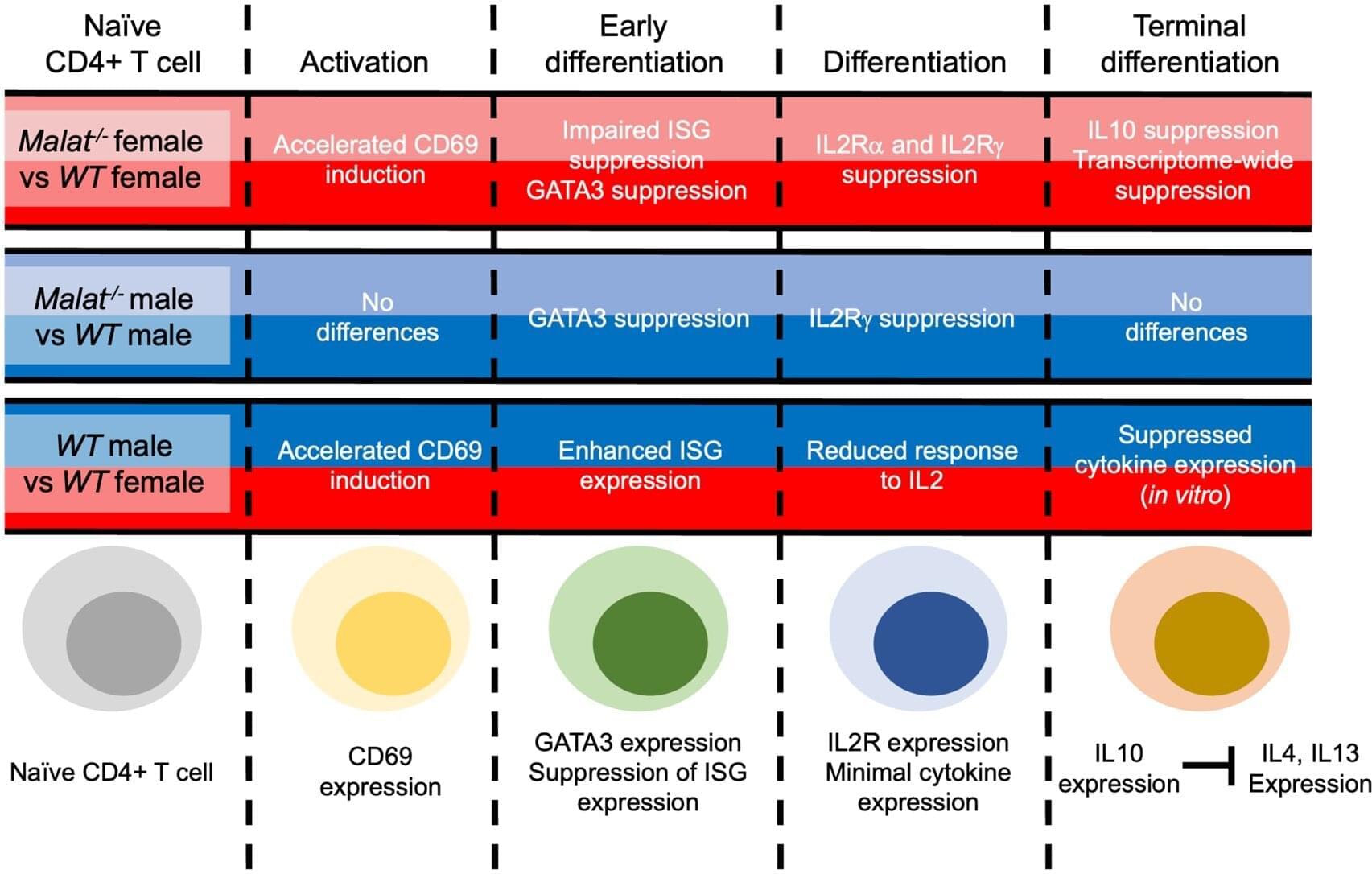
A new study has uncovered a key difference between the immune system of males and females—and it comes down to a single gene. The study is published in The Journal of Immunology.
It is known that biological sex affects the function of the immune system, with women often being more severely affected by autoimmune conditions or allergic diseases.
Scientists from the University of York have now identified the gene Malat1 as a critical player in regulating immune responses in female immune cells, but not in males.

A major international study has found that when it comes to choosing a long-term partner, people across the globe consider not just how many sexual partners someone has had, but also when those encounters took place.
This is the first time researchers have explored the timing of sexual history alongside quantity—offering a fresh perspective on human mating psychology. The study is published in the journal Scientific Reports.
Led by Swansea University, the study surveyed more than 5,000 participants from 11 countries across five continents. It found that people were generally less willing to commit to someone with a high number of past sexual partners but were more open if those encounters had become less frequent over time, suggesting a shift away from casual sex.

Males born in summer months reported higher depression symptom scores than males born during other seasons, according to a study from Kwantlen Polytechnic University. Anxiety symptoms showed no association with season of birth for either sex.
Anxiety and depression remain among the most common mental disorders worldwide, with both conditions contributing to long-term disability, physical comorbidities, and substantial economic losses. A range of factors shape mental health across the lifespan, including housing, income, education, and age. Research into early-life exposures remains limited, particularly exposures shaped by environmental seasonality.
During gestation, exposure to temperature shifts, maternal diet, seasonal infections, and variation in daylight may influence neurodevelopment. Birth season has previously been associated with risk for psychiatric conditions including schizophrenia, bipolar disorder, and schizoaffective disorder. Studies examining birth season and depression have produced mixed results, often without stratifying by sex.