Category: science – Page 138
Are Artificial Wombs the Future of Birth?
In April, Scientists based in Philadelphia unveiled an artificial womb undergoing testing on fetal lambs. With a prediction from one of the researchers that the technology could be ready for human testing in three to five years, artificial wombs suddenly became the most unexpected rage of 2017. But what sort of artificial wombs might realistically be a part of healthcare in the near future?
In this video series, the Galactic Public Archives takes bite-sized looks at a variety of terms, technologies, and ideas that are likely to be prominent in the future. Terms are regularly changing and being redefined with the passing of time. With constant breakthroughs and the development of new technology and other resources, we seek to define what these things are and how they will impact our future.

Rejuvenation Biotechnology is now Mainstream Science
The concept of repairing age-related damage to prevent diseases is now mainstream and openly talked about by most acadmics.
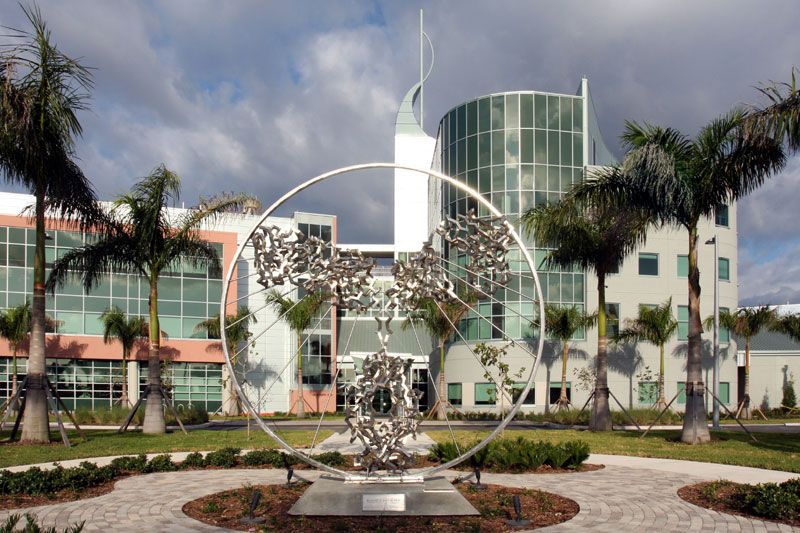
Earlier this year the second Scripps Florida Symposium was held and now this open access paper reports on the event. The title of of the event was ‘Advances in Therapeutic Approaches to Extend Healthspan’ and was held on January 22nd–25th, 2017 at The Scripps Research Institute in Jupiter, Florida.
It is once again very refreshing to see that the focus of the researchers here is now firmly on intervening on the various aging processes in order to prevent or treat age-related diseases. Less than a decade ago suggesting addressing the aging processes to treat disease as a preventative form of medicine would have jepordised the chances of funding, or even damaged a researcher’s career prospects. Now the majority of researchers are engaged in exploring the potential of increasing healthspan (the period of life spent free of age-related disease) with the aim of delaying or preventing age-related diseases.
The taboo of talking about doing something about aging
Whilst there is still resistance in academia to talk in public about the potential of these therapies leading to not only healthier but also longer lives, it is nonetheless a step in the right direction. The discussion has changed dramatically in the last decade and the taboo of targeting the aging process has largely been banished, this in our view is a good thing. Only the most conservative scientists cling to the idea that nothing can be done about aging despite the mountains of evidence suggesting otherwise.
FM-2030: Are You Transhuman?
This film was compiled from audio of a discussion futurist FM-2030 held at the University of California on February 6th, 1994. In this discussion 2030 laid out an overview of his ‘transhuman’ philosophy and held a back and forth with other people present in the discussion. Discussion and debate included items such as the value of researching ‘indefinite lifespan’ technologies directly as opposed to (or in addition to) more traditional approaches, such as researching cures for specific diseases.
The excerpts in this archive file present a sort of thesis of FM 2030’s transhuman ideas.
About FM 2030: FM 2030 was at various points in his life, an Iranian Olympic basketball player, a diplomat, a university teacher, and a corporate consultant. He developed his views on transhumanism in the 1960s and evolved them over the next thirty-something years. He was placed in cryonic suspension July 8th, 2000. For more information about FM 2030, view the GPA Archive File: ‘Introduction to FM 2030′ or visit some of the following links:
Wikipedia:
en.wikipedia.org/wiki/FM-2030
Institute for Ethics & Emerging Technologies:
ieet.org/index.php/tpwiki/Transhuman
The New York Times:
nytimes.com/2000/07/11/us/futurist-known-as-fm-2030-is-dead-at-69.html

In the Midst of Global Turmoil, Russia’s Science Community Reboots
On a geopolitical level, science is also a crucial agent of soft power between nations. Going back decades, scientific collaborations have tempered tensions between Russia and its rival nations, and allowed cooler heads to prevail. In 1975, astronaut Thomas Stafford and cosmonaut Alexey Leonov shook hands in space as part of the Apollo-Soyuz Test Project, which reflected the policy of détente, or easing of strained relations, between the US and the USSR. The International Space Station (ISS), the crown jewel of science partnerships, is directly descended from this symbolic gesture.
I took a five-day tour of Russia’s leading scientific research centers. This is what I saw.
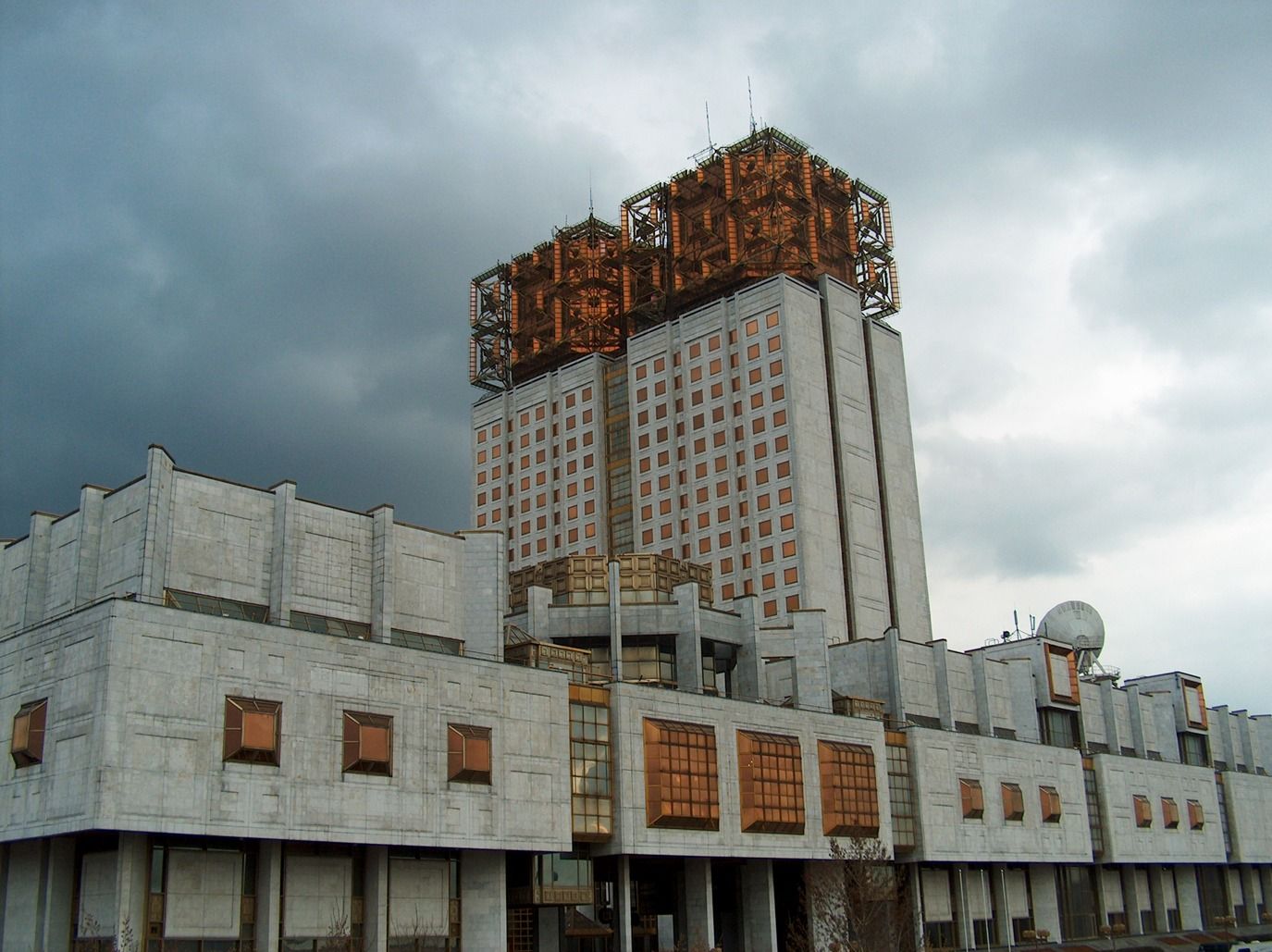
They call them the “golden brains.” Perched 22 storeys high, they engulf the top floors of the Russian Academy of Sciences (RAS) headquarters in southwest Moscow. Somehow both geometric and wildly rampageous, the copper and aluminum sculptures look like the kind of long-lost technologies that protagonists stumble across on deserted alien worlds in Mass Effect.

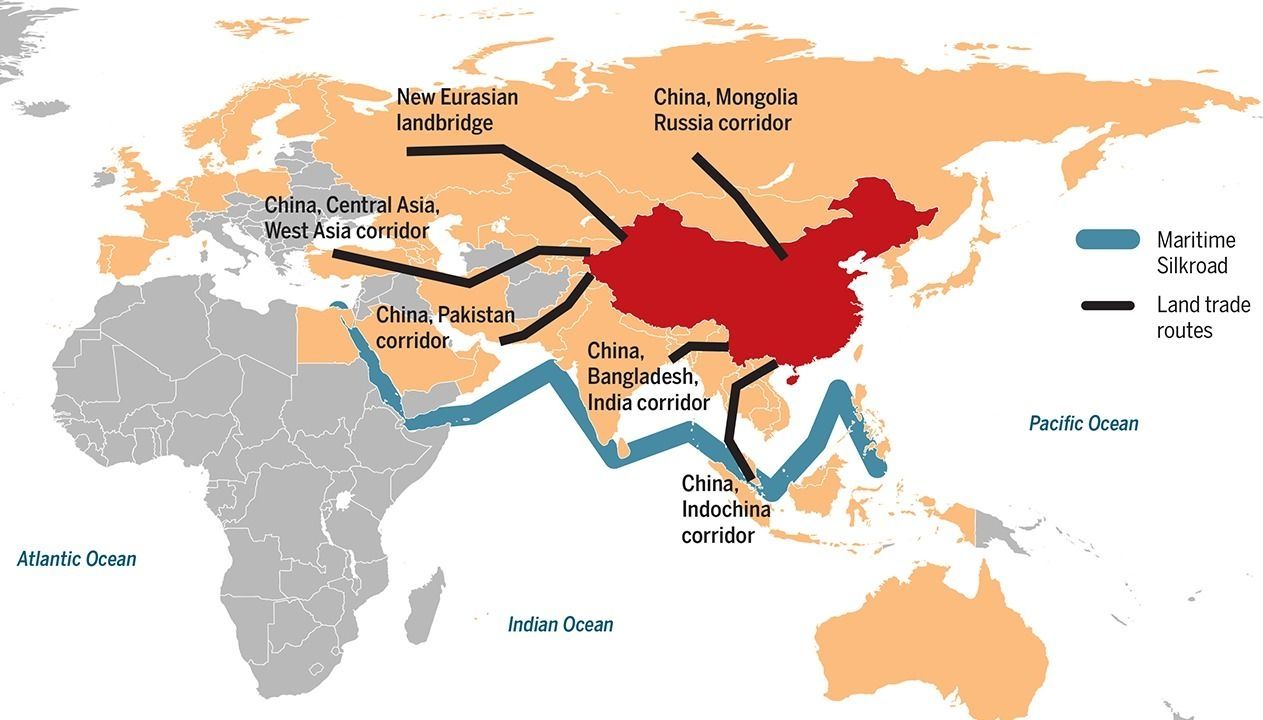
China’s belt and road infrastructure plan also includes science
China is also planning to use the initiative to flex its scientific and engineering muscles, officials made clear at a 2-day Belt and Road Forum for International Cooperation that ended yesterday in Beijing. “Innovation is an important force powering development,” Xi said in a speech to the opening session of the forum. And so the initiative will include technical cooperation in fields including artificial intelligence, nanotechnology, quantum computing, and smart cities. He also mentioned the need to pursue economic growth that is in line with sustainable development goals, and that rests on environmentally friendly approaches.
Investment also planned in artificial intelligence, nanotechnology, and other fields.
What is Plant-Based Meat?
A type of food that has been around for centuries, but is primed to be increasingly relevant to the future: Plant-Based “Meat.”
In this video series, the Galactic Public Archives takes bite-sized looks at a variety of terms, technologies, and ideas that are likely to be prominent in the future. Terms are regularly changing and being redefined with the passing of time. With constant breakthroughs and the development of new technology and other resources, we seek to define what these things are and how they will impact our future.
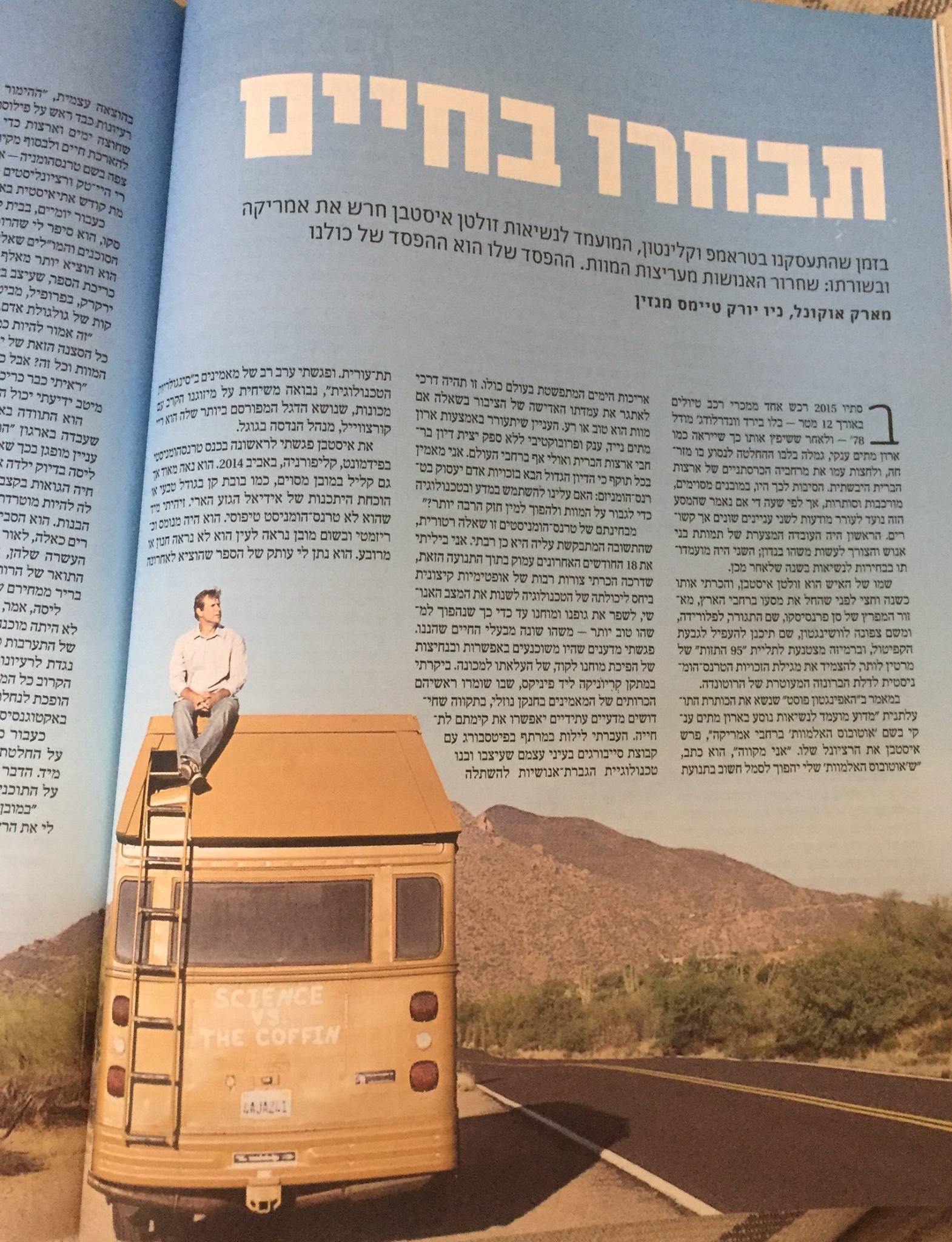
Israel’s oldest newspaper Haaretz (in #Hebrew) recently translated and published The New York Times Magazine feature story on my radical science and #transhumanism work in their own Sunday magazine
Israel’s oldest newspaper Haaretz (in #Hebrew) recently translated and published The New York Times Magazine feature story on my radical science and #transhumanism work in their own Sunday magazine. I can’t find the link in Hebrew yet, but here’s the fun 2-page spread of me atop my #ImmortalityBus. https://www.nytimes.com/2017/02/09/magazine/600-miles-in-a-c…tself.html