Scientists have managed to “break a theoretically impossible century-old barrier” about a fundamental physics property.


One of the best places to study stars is inside “open clusters,” which are groups of stars that formed together from the same material and are bound together through gravity.
Open clusters act as laboratories, showing how stars of different masses and ages behave. At the same time, some stars, known as “variable stars,” regularly change in brightness, and their flickers and pulses help scientists learn about the physics inside stars and about the wider galaxy.
Until now, astronomers studied clusters and variable stars separately, and usually one cluster at a time. But that approach missed the bigger picture, leaving gaps in our understanding of how the lives of stars unfold across the galaxy.
A new study by applied physicists used a custom-designed microscope to examine supermoiré patterns in trilayer graphene.
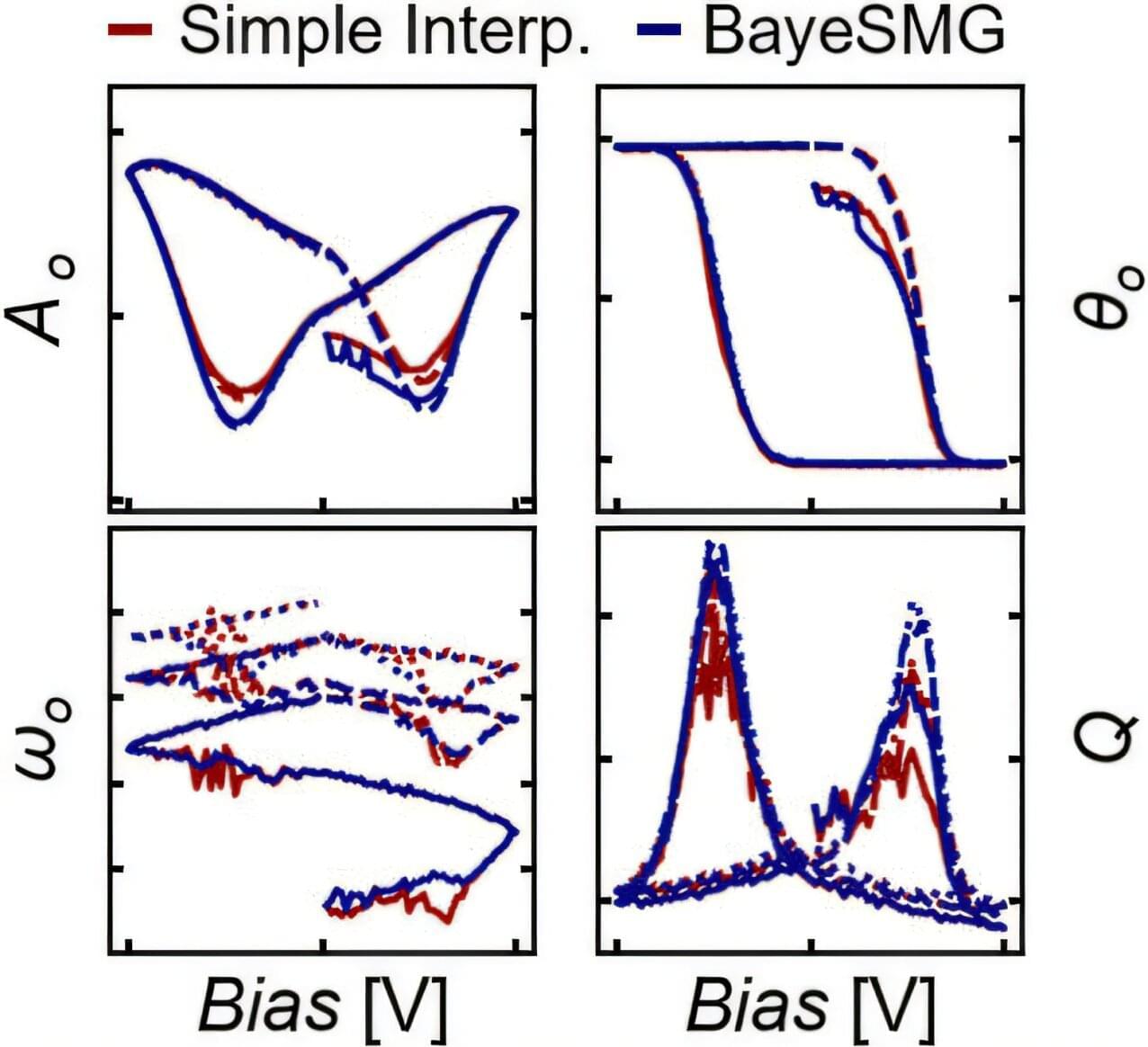
In the world of nanotechnology, seeing clearly isn’t easy. It’s even harder when you’re trying to understand how a material’s properties relate to its structure at the nanoscale. Tools like piezoresponse force microscopy (PFM) help scientists peer into the nanoscale functionality of materials, revealing how they respond to electric fields. But those signals are often buried in noise, especially in instances where the most interesting physics happens.
Now, researchers at Georgia Tech have developed a powerful new method to extract meaningful information from even the noisiest data, or when, alternatively, the response of the material is the smallest. Their approach, which combines physical modeling with advanced statistical reconstruction, could significantly improve the accuracy and confidence of nanoscale measurement properties.
The team’s findings, led by Nazanin Bassiri-Gharb, Harris Saunders, Jr. Chair and Professor in the George W. Woodruff School of Mechanical Engineering and School of Materials Science and Engineering (MSE), are reported in Small Methods.

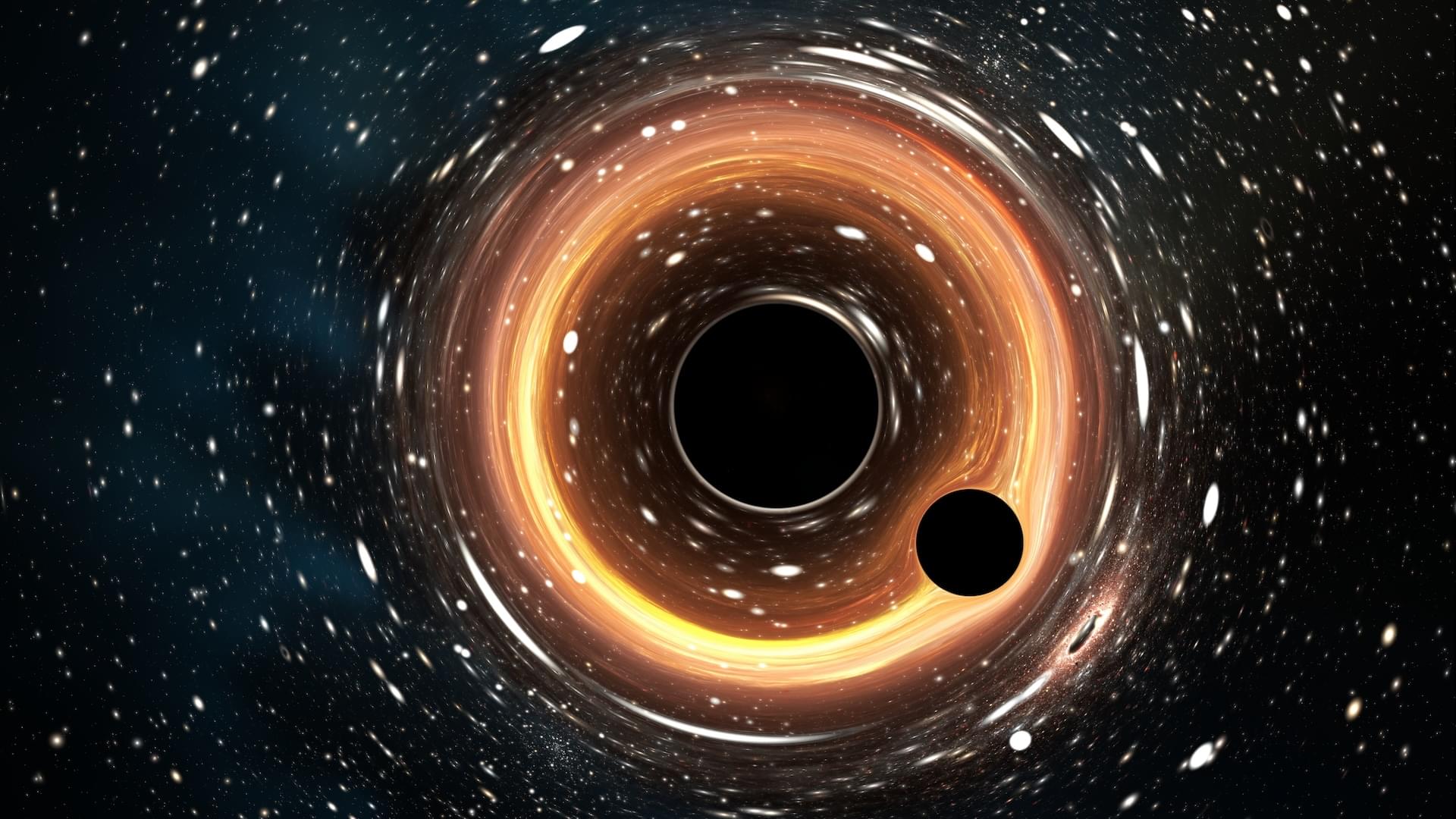
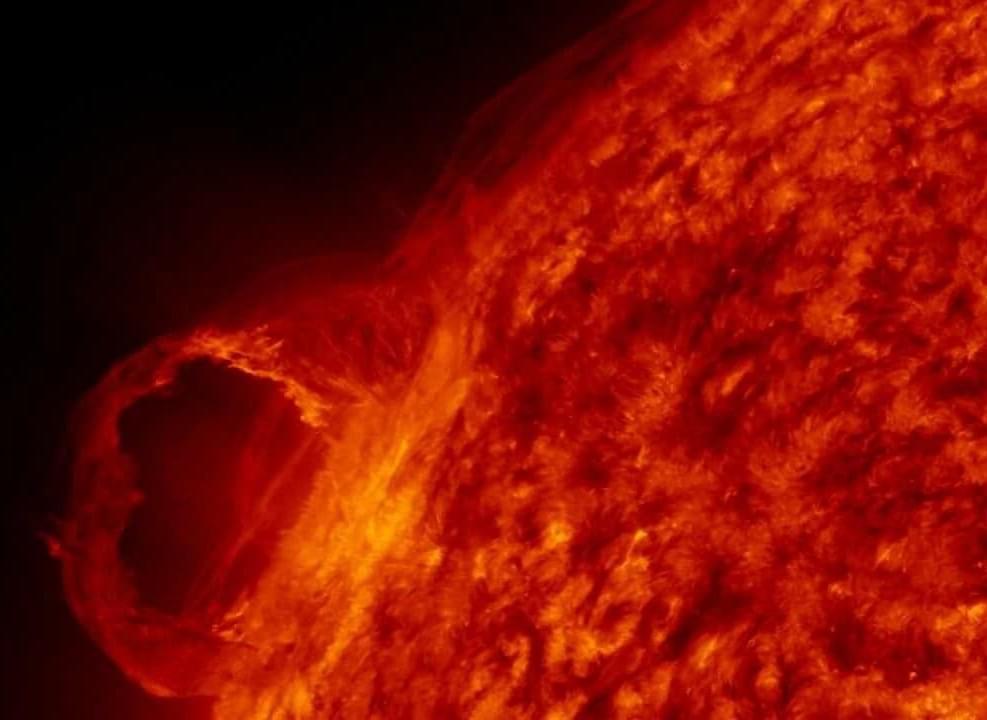
A research team from the Yunnan Observatories of the Chinese Academy of Sciences has shed new light on the magnetic reconnection process driven by rapidly expanding plasma, using magnetohydrodynamic (MHD) numerical simulations. Their findings, published recently in Science China Physics, Mechanics & Astronomy, reveal previously unobserved fine structures and physical mechanisms underlying this fundamental phenomenon.
Magnetic reconnection—a process where magnetic field lines break and rejoin, releasing massive energy—is critical to understanding explosive events in plasmas, from laboratory experiments to solar flares and space weather.
The team focused on how this process unfolds under rapid driving conditions, examining three distinct reconnection modes: flux pile-up, Sonnerup, and hybrid. These modes, they found, arise from variations in gas pressure and magnetic field strength within the inflow region, where plasma is drawn into the reconnection site.
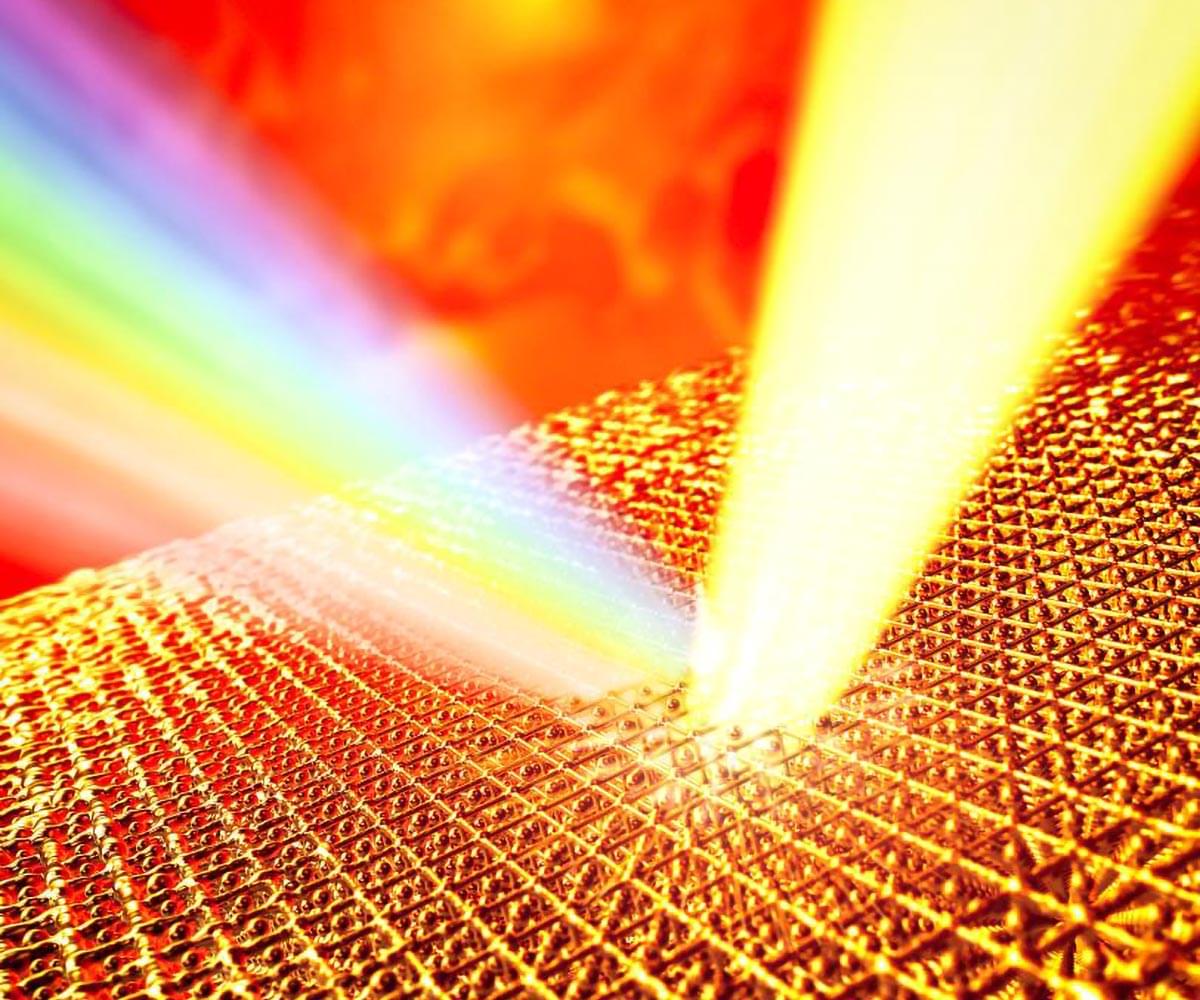
Scientists have made the first-ever direct measurement of atomic temperatures in extreme materials, shattering a four-decade-old theory about how far solids can be superheated.
Using a powerful laser and ultrabright X-rays, researchers at SLAC and collaborating institutions heated gold to an astonishing 19,000 K, more than 14 times its melting point, while it remained solid. This breakthrough not only redefines the limits of matter under extreme conditions but also opens the door to new insights into planetary interiors, fusion energy research, and high-energy density physics.
Measuring the unmeasurable: cracking the heat code.

Deep neural networks (DNNs), the machine learning algorithms underpinning the functioning of large language models (LLMs) and other artificial intelligence (AI) models, learn to make accurate predictions by analyzing large amounts of data. These networks are structured in layers, each of which transforms input data into ‘features’ that guide the analysis of the next layer.
The process through which DNNs learn features has been the topic of numerous research studies and is ultimately the key to these models’ good performance on a variety of tasks. Recently, some computer scientists have started exploring the possibility of modeling feature learning in DNNs using frameworks and approaches rooted in physics.
Researchers at the University of Basel and the University of Science and Technology of China discovered a phase diagram, a graph resembling those used in thermodynamics to delineate liquid, gaseous and solid phases of water, that represents how DNNs learn features under various conditions. Their paper, published in Physical Review Letters, models a DNN as a spring-block chain, a simple mechanical system that is often used to study interactions between linear (spring) and nonlinear (friction) forces.
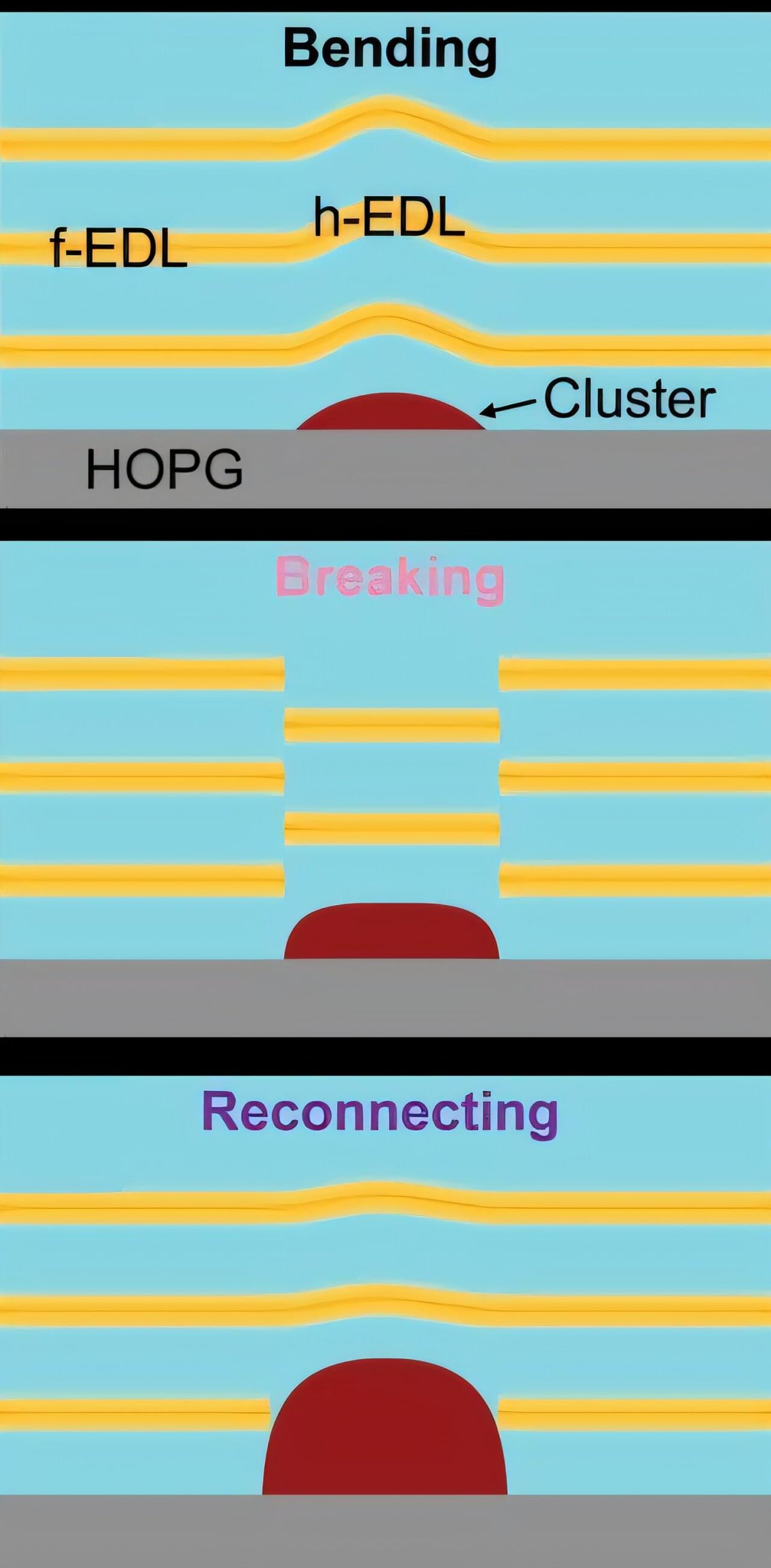
Electrochemical cells—or batteries, as a well-known example—are complex technologies that combine chemistry, physics, materials science and electronics. More than power sources for everything from smartphones to electric vehicles, they remain a strong motivation for scientific inquiry that seeks to fully understand their structure and evolution at the molecular level.
A team led by Yingjie Zhang, a professor of materials science and engineering in The Grainger College of Engineering at the University of Illinois Urbana-Champaign, has completed the first investigation into a widely acknowledged but often overlooked aspect of electrochemical cells: the nonuniformity of the liquid at the solid-liquid interfaces in the cells.
As the researchers report in the Proceedings of the National Academy of Sciences, microscopic imaging revealed that these interfacial structures, called electrical double layers (EDLs), tend to organize into specific configurations in response to chemical deposition on the surface of the solid. The paper is titled “Nucleation at solid–liquid interfaces is accompanied by the reconfiguration of electrical double layers.”