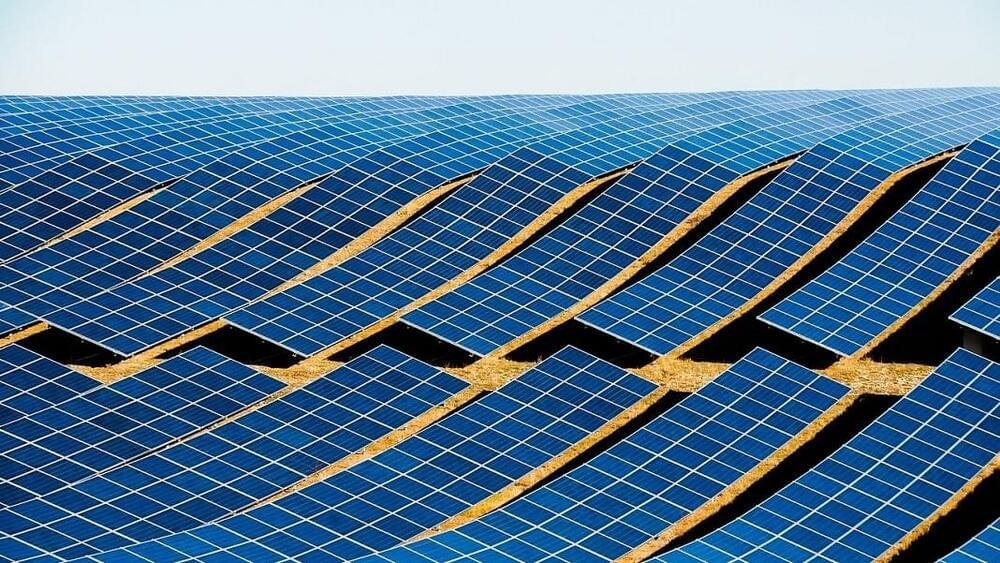
Year 2023 Basically solar will last several billion years and make type 0 civilization resources obsolete by making trillions of dollars in profits with nearly zero emissions.
Between the Covid-19 pandemic, the Ukraine conflict, inflation, and the renewables transition, the 2020s have been a volatile decade for energy. The pandemic reduced demand for electricity and oil all over the world, causing prices to plummet. Then the Ukraine invasion brought sanctions on Russian oil and gas, pushing energy prices up and leaving European countries scrambling (particularly for natural gas). High energy prices have since contributed to inflation, and in many places utility costs are far surpassing inflation. All the while, worry over climate change has continued to mount, with calls to reduce our dependence on fossil fuels growing ever louder.
In short, the energy situation in the US and around the world is a mess. But the International Energy Agency released some good news in its recent World Energy Investment report. The report is compiled annually, and the 2023 version came out at the end of May. For the first time ever, it found that investment in renewables—specifically solar power—will overtake spending on oil.
The IEA estimated that a total of $2.8 trillion will be invested in energy globally this year, with clean energy accounting for more than $1.7 trillion of that total. The “clean” designation includes renewables like wind, solar, and hydro, but also nuclear power, grids, storage, low-emission fuels, efficiency improvements, and electrification (such as replacing combustion-engine cars with electric cars). The remainder of the $2.8 trillion total, about $1 trillion, will go to oil, gas, and coal, with 15 percent going to coal specifically.