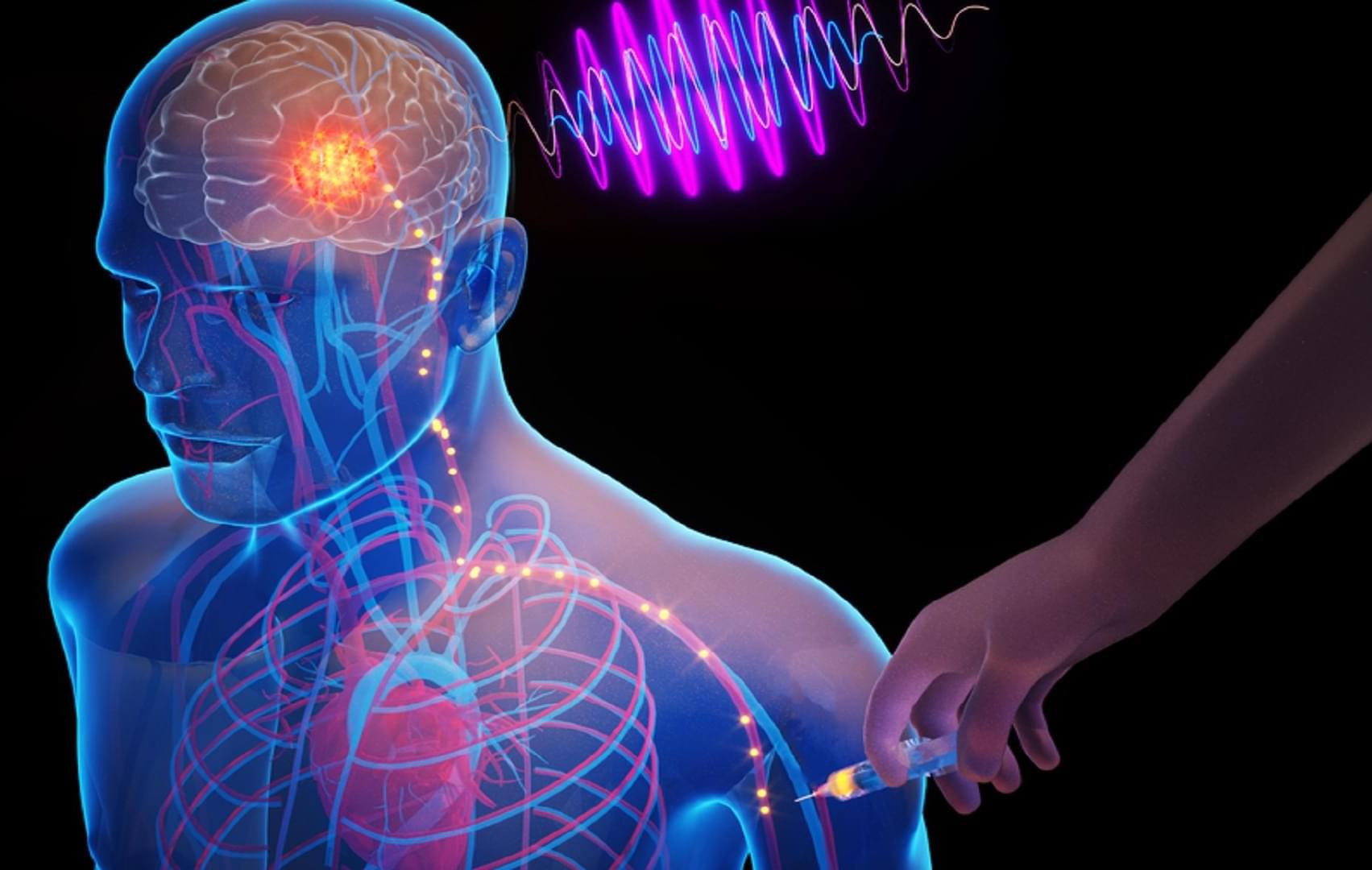
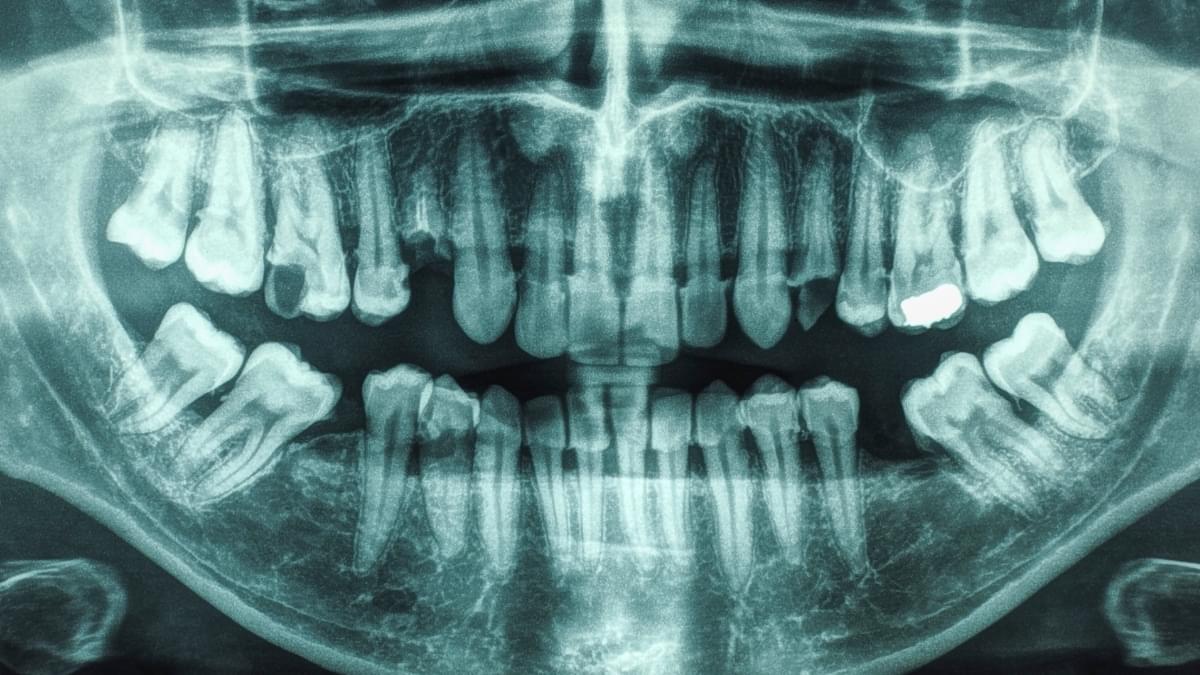
Oral hygiene has been linked to multiple health conditions, including dementia and diabetes.
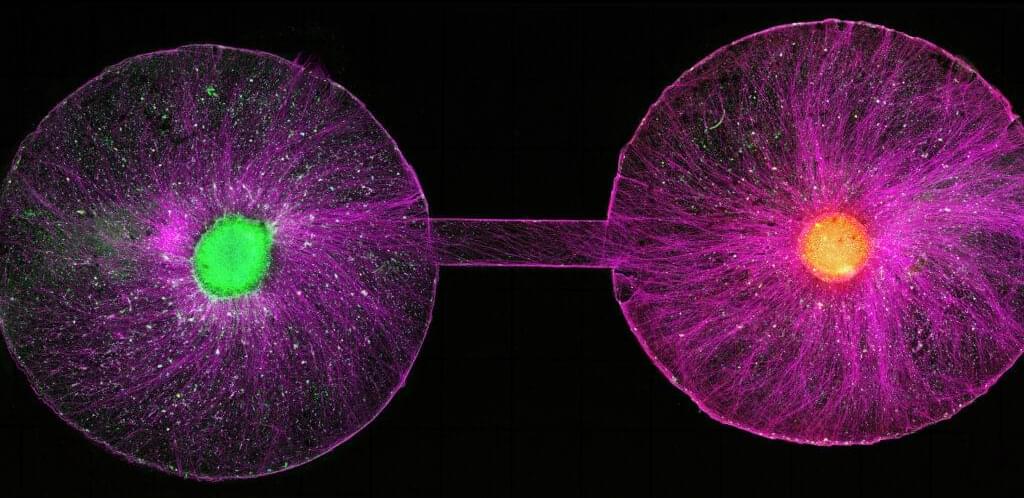
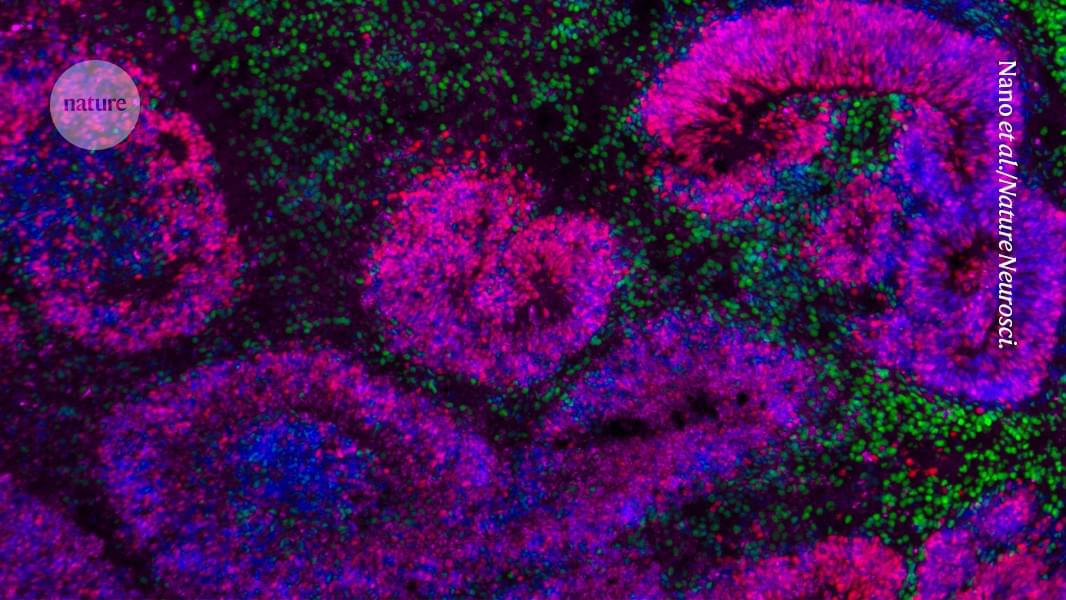
In an effort to address these ethical grey areas, 17 leading scientists and bioethicists from five countries are urging the establishment of an international oversight body to monitor advances in the rapidly expanding field of human neural organoids and to provide ethical and policy guidance as the science continues to evolve. The call to action, published Thursday in Science, comes as U.S. government agencies are making new investments in organoid science aimed at accelerating drug discovery and reducing reliance on animal models of disease.
In September, the National Institutes of Health announced $87 million in initial contracts to establish a new center dedicated to standardizing organoid research. The move followed an earlier pledge by both the NIH and the Food and Drug Administration to reduce, and possibly replace, testing on mice, primates, and other animals with other methods — including organoids and organ-on-a-chip technologies — for developing certain medicines.
Government promotion of human stem cell models more broadly will only increase the recruitment of new researchers into the field of neural organoids, which has seen an explosion from a few dozen labs a decade ago to hundreds around the world now, said Sergiu Pasca, a pioneering neuroscientist and stem cell biologist at Stanford University who co-authored the Science commentary.
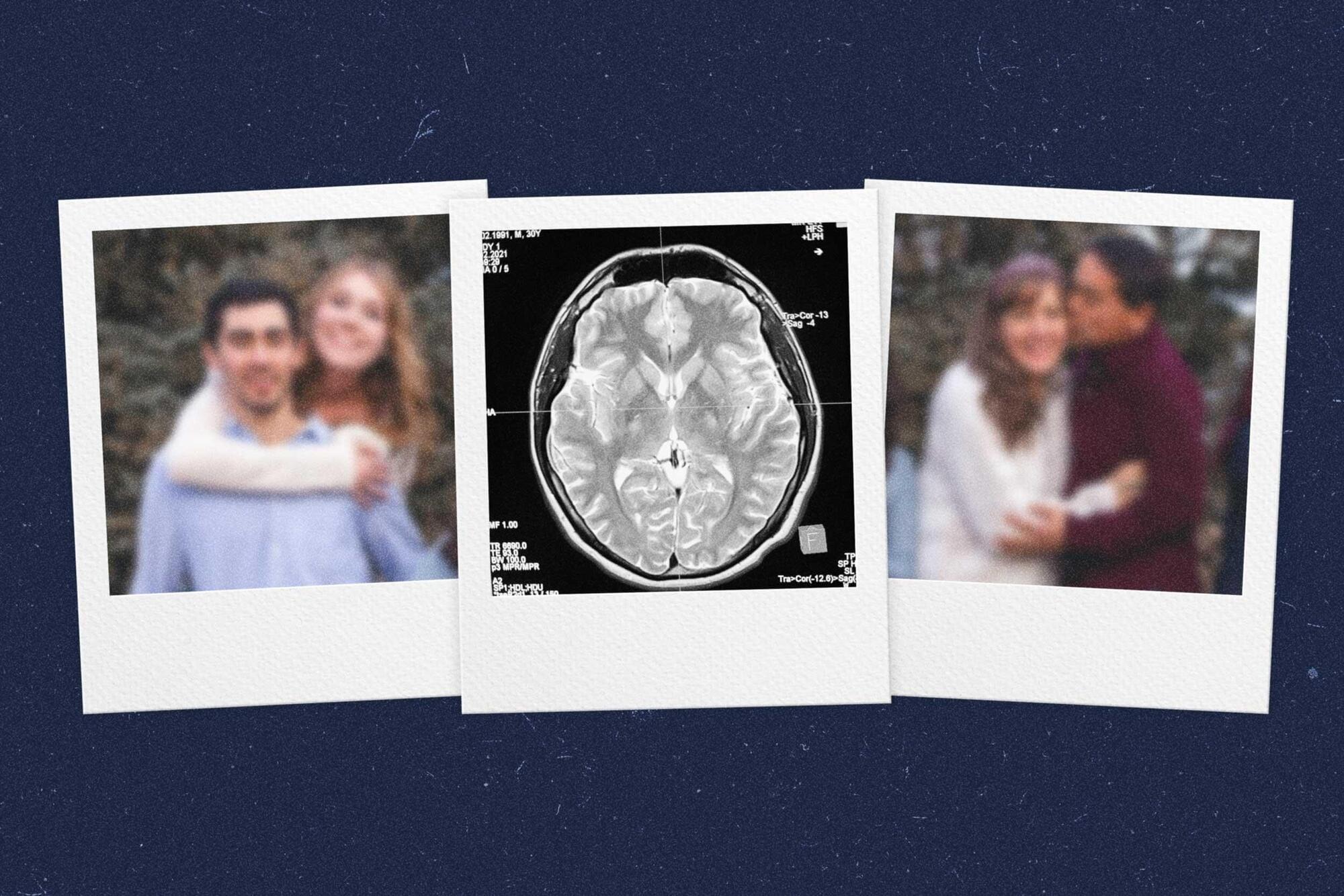
Few moments are more heartbreaking for families of Alzheimer’s disease patients than when a loved one no longer recognizes them. New research from the University of Virginia School of Medicine published in Alzheimer’s & Dementia may reveal why that happens and offer hope for prevention.
UVA’s Harald Sontheimer, graduate student Lata Chaunsali and their colleagues found that when protective structures around brain cells break down, people may lose the ability to recognize loved ones. In lab studies, keeping these structures intact helped mice remember one another.
“Finding a structural change that explains a specific memory loss in Alzheimer’s is very exciting,” said Sontheimer, chair of UVA’s Department of Neuroscience and member of the UVA Brain Institute. “It is a completely new target, and we already have suitable drug candidates in hand.”
The human brain comprises hundreds of interconnected regions that drive our thoughts, emotions, and behaviours. Existing brain atlases can identify major structures in MRI scans – such as the hippocampus, which supports memory and learning – but their finer sub-regions remain hard to detect. These distinctions matter because sub-regions of areas like the hippocampus, for example, are affected differently during Alzheimer’s disease progression.
Examining the brain at the cellular level is achievable using microscopy (histology), but cannot be done in living individuals, limiting its potential for understanding how the human brain changes during development, ageing and disease.
Published in Nature, the new study introduces NextBrain, an atlas of the entire adult human brain that can be used to analyse MRI scans of living patients in a matter of minutes and at a level of detail not possible until now.
The creators of the atlas, which is freely available, hope it will ultimately help to accelerate discovery in brain science and its translation into better diagnosis and treatment of conditions such as Alzheimer’s.
&
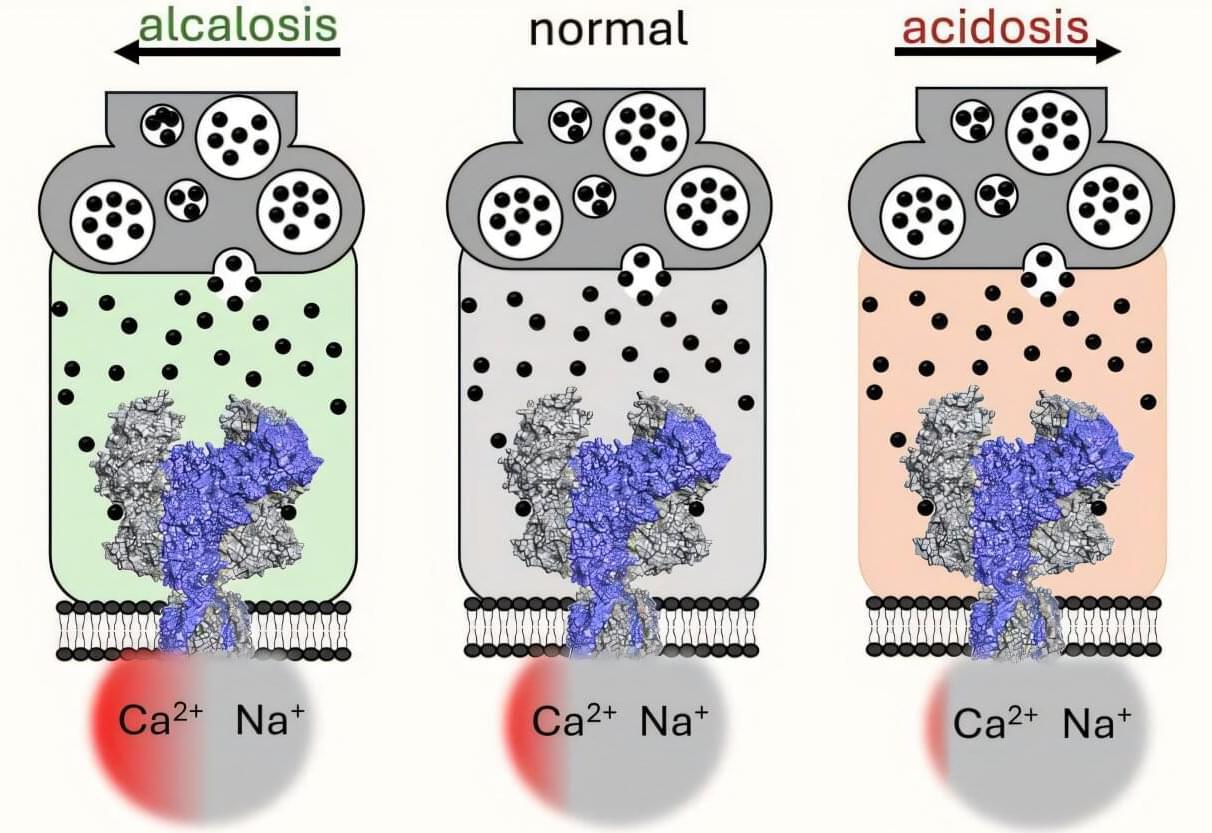
Drugs that act on NMDA (N-methyl-D-aspartate) receptors, which are essential for learning, memory and moment-by-moment consciousness, are key for treating neuropsychiatric disorders. These drugs were developed based on the assumption that the proportion of calcium in the current produced by these receptors remains constant. That assumption turns out to be false, according to University at Buffalo research published last month in the Proceedings of the National Academy of Sciences.
“Our research reveals that small variations in the brain environment in which NMDA receptors operate can increase or decrease the amount of calcium in the currents fluxed by these receptors,” explains Gabriela K. Popescu, Ph.D., corresponding author and professor of biochemistry in the Jacobs School of Medicine and Biomedical Sciences at UB. “This, in turn, could mean the difference between normal and impaired learning, memory and cognition, symptoms that accompany many neuropsychiatric conditions.”

Found in everything from protein bars to energy drinks, erythritol has long been considered a safe alternative to sugar.
But research suggests this widely used sweetener may be quietly undermining one of the body’s most crucial protective barriers – with potentially serious consequences for heart health and stroke risk.
A study from the University of Colorado suggests erythritol may damage cells in the blood-brain barrier, the brain’s security system that keeps out harmful substances while letting in nutrients.
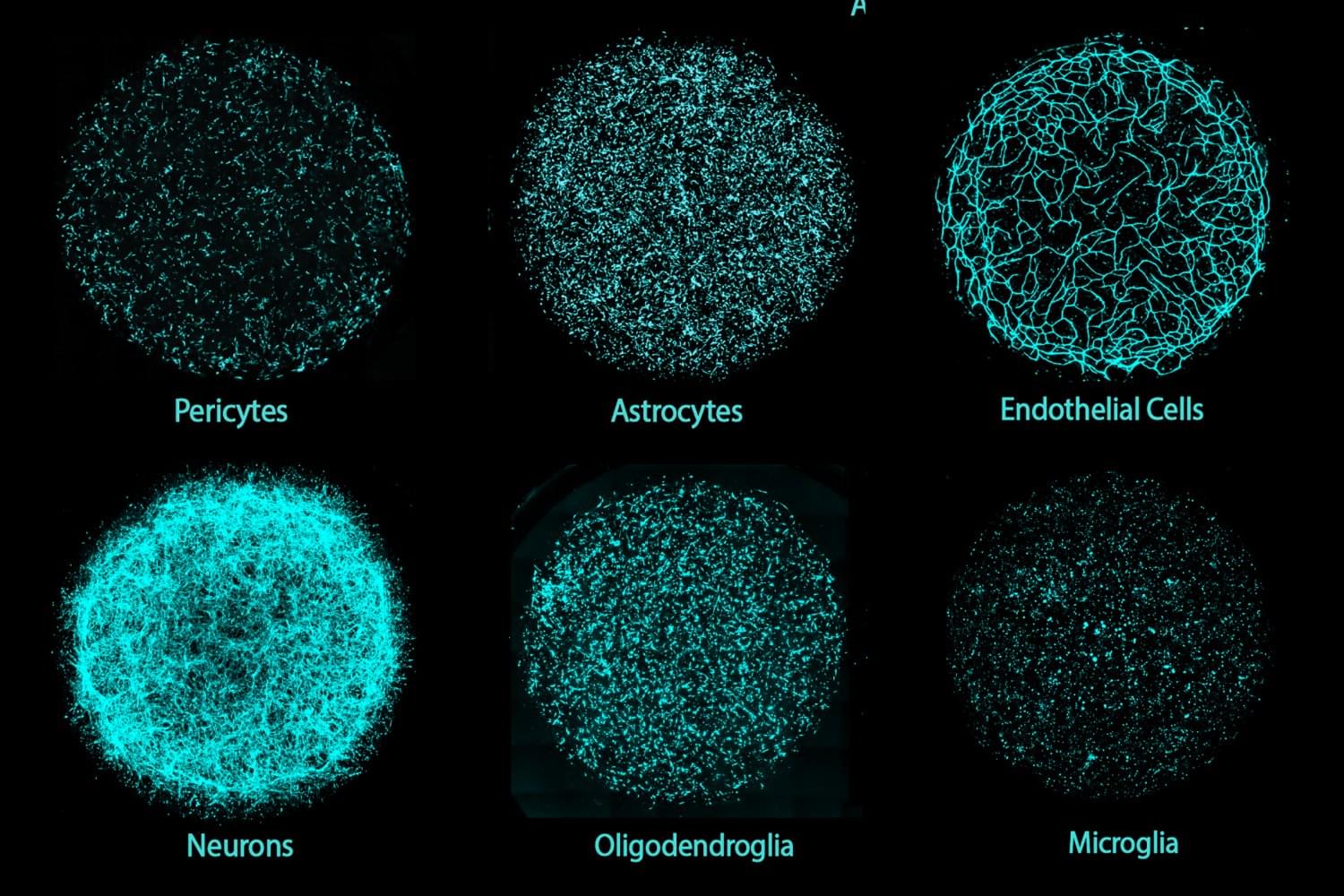
A new 3D human brain tissue platform developed by MIT researchers is the first to integrate all major brain cell types, including neurons, glial cells, and the vasculature, into a single culture.
Grown from individual donors’ induced pluripotent stem cells, these models — dubbed Multicellular Integrated Brains (miBrains) — replicate key features and functions of human brain tissue, are readily customizable through gene editing, and can be produced in quantities that support large-scale research.
Although each unit is smaller than a dime, miBrains may be worth a great deal to researchers and drug developers who need more complex living lab models to better understand brain biology and treat diseases.