Lib Work’s House Model B is made largely from earth, lime, and other natural materials.
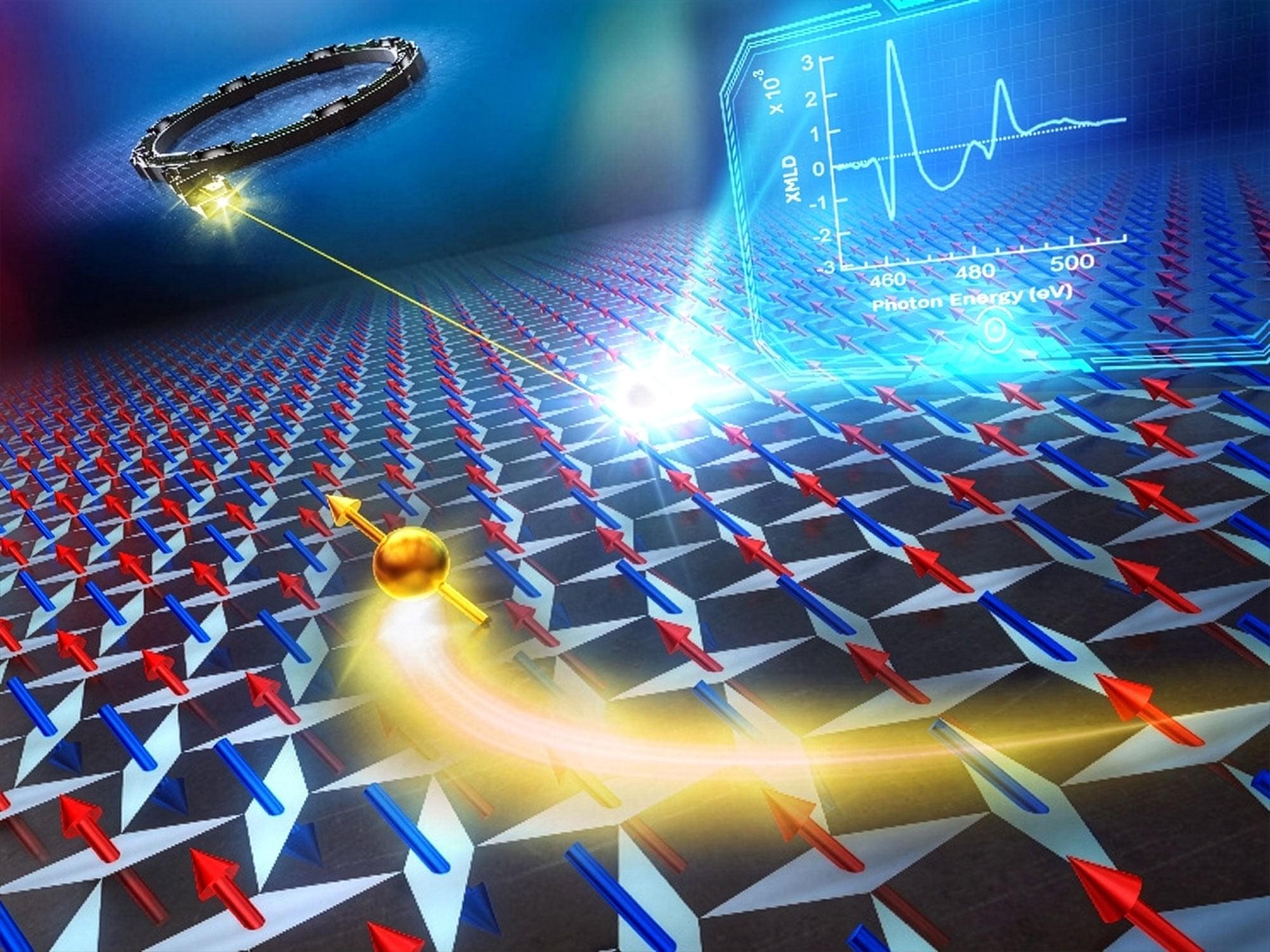
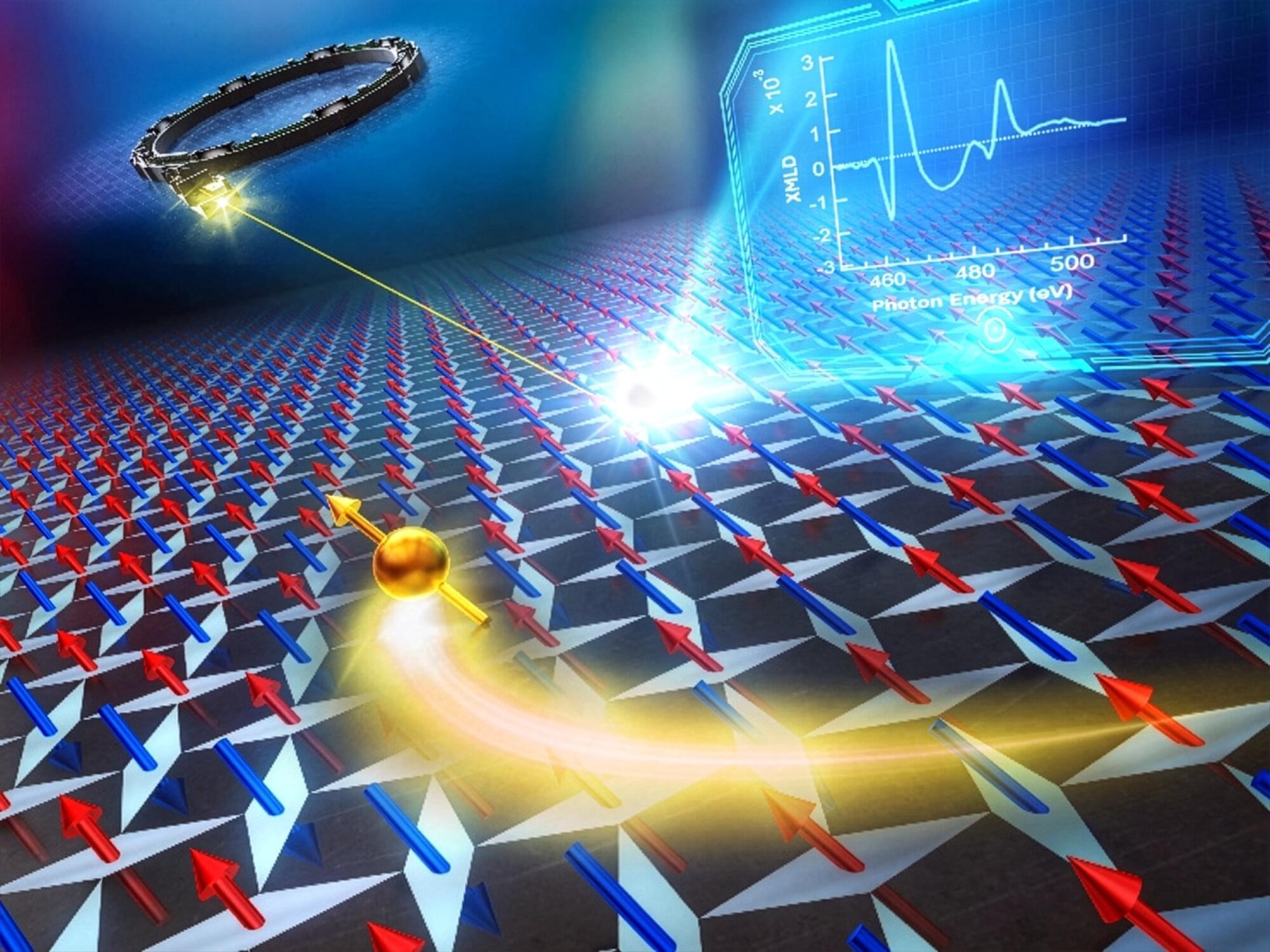
We know magnetism as a fundamental force of nature that plays a crucial role in both the natural world and modern technology. It governs the behavior of materials at the atomic level and is essential for the functioning of countless devices in our everyday life, including data storage, sensing, wireless charging, sound recording and playing systems, and more.
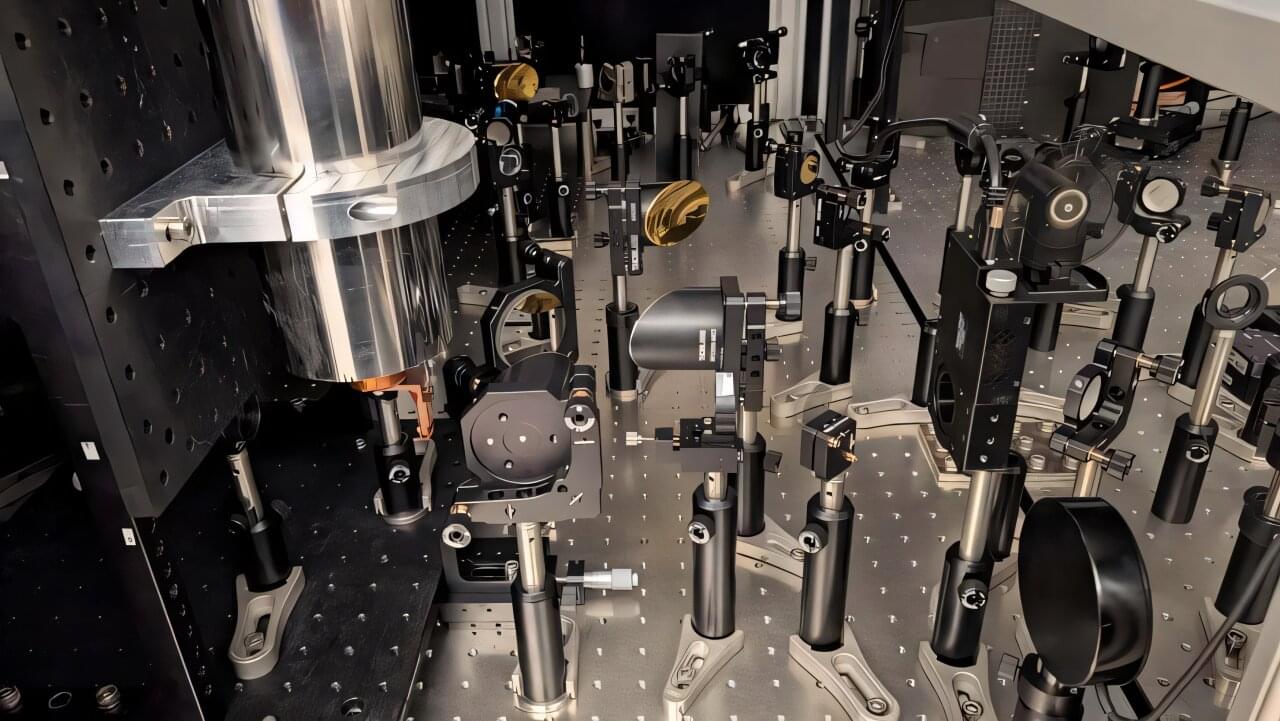
Physicists at Bielefeld University and the Leibniz Institute for Solid State and Materials Research Dresden (IFW Dresden) have developed a method to control atomically thin semiconductors using ultrashort light pulses. The study, published in Nature Communications, could pave the way for components that are controlled at unprecedented speeds directly by light—ushering in a new generation of optoelectronic devices.
An international team of scientists, including physicists from HSE MIEM, has demonstrated that when defects within a material are arranged in a specific pattern rather than randomly, superconductivity can occur at a higher temperature and extend throughout the entire material. This discovery could help develop superconductors that operate without the need for extreme cooling.
The study has been published in Physical Review B.
Superconductivity is a state in which electric current flows through a material without any energy loss. In conventional conductors, part of the energy is converted into heat, but in superconductors, this does not occur—current flows freely and does not weaken. Today, superconductors are used in applications such as MRI machines, where superconducting coils generate strong magnetic fields.
Researchers have created a cement-based material that does more than just provide structural support—it can generate and store electricity. This breakthrough could mark a turning point for future infrastructure in smart cities.
The material is a cement-hydrogel composite developed by a team led by Professor Zhou Yang at Southeast University in China. The team took inspiration from the layered structure inside plant stems to create a material that can harness thermal energy and convert it into electricity.
This is a repost. I think Andrew posted it earlier.
Researchers developed a cement-hydrogel composite that can generate and store power, paving the way for self-powered smart infrastructure.
Almost 200 million people, including children, around the world have endometriosis, a chronic disease in which the lining of the uterus grows outside of the uterus. More severe symptoms, such as extreme pain and potentially infertility, can often be mitigated with early identification and treatment, but no single point-of-care diagnostic test for the disease exists despite the ease of access to the tissue directly implicated.
While Penn State Professor Dipanjan Pan said that the blood and tissue shed from the uterus each month is often overlooked—and even stigmatized by some—as medical waste, menstrual effluent could enable earlier, more accessible detection of biological markers to help diagnose this disease.
Pan and his group have developed a proof-of-concept device capable of detecting HMGB1, a protein implicated in endometriosis development and progression, in menstrual blood with 500% more sensitivity than existing laboratory approaches. The device, which looks and operates much like a pregnancy test in how it detects the protein, hinges on a novel technique to synthesize nanosheets made of the atomically thin 2D material borophene, according to Pan, the Dorothy Foehr Huck & J. Lloyd Huck Chair Professor in Nanomedicine and corresponding author of the study detailing the team’s work.