Telomeres are regarded as key markers of cellular ageing and physiological state. Oxidative stress, which can accelerate telomere shortening, is thought to increase during energetically demanding processes such as bird migration. However, their study in the context of migratory behaviour is limited. Here we compared telomere length (TL) and mitochondrial DNA copy number (mitoDNAcn) between migratory and resident Eurasian blackbirds on the island of Helgoland, a migratory stopover site. Contrary to expectations, we found migrants had longer TLs despite similar mitochondrial densities. These findings reinforce the idea that migratory individuals may possess specific physiological adaptations, such as enhanced antioxidant defences, that help preserve telomere integrity.
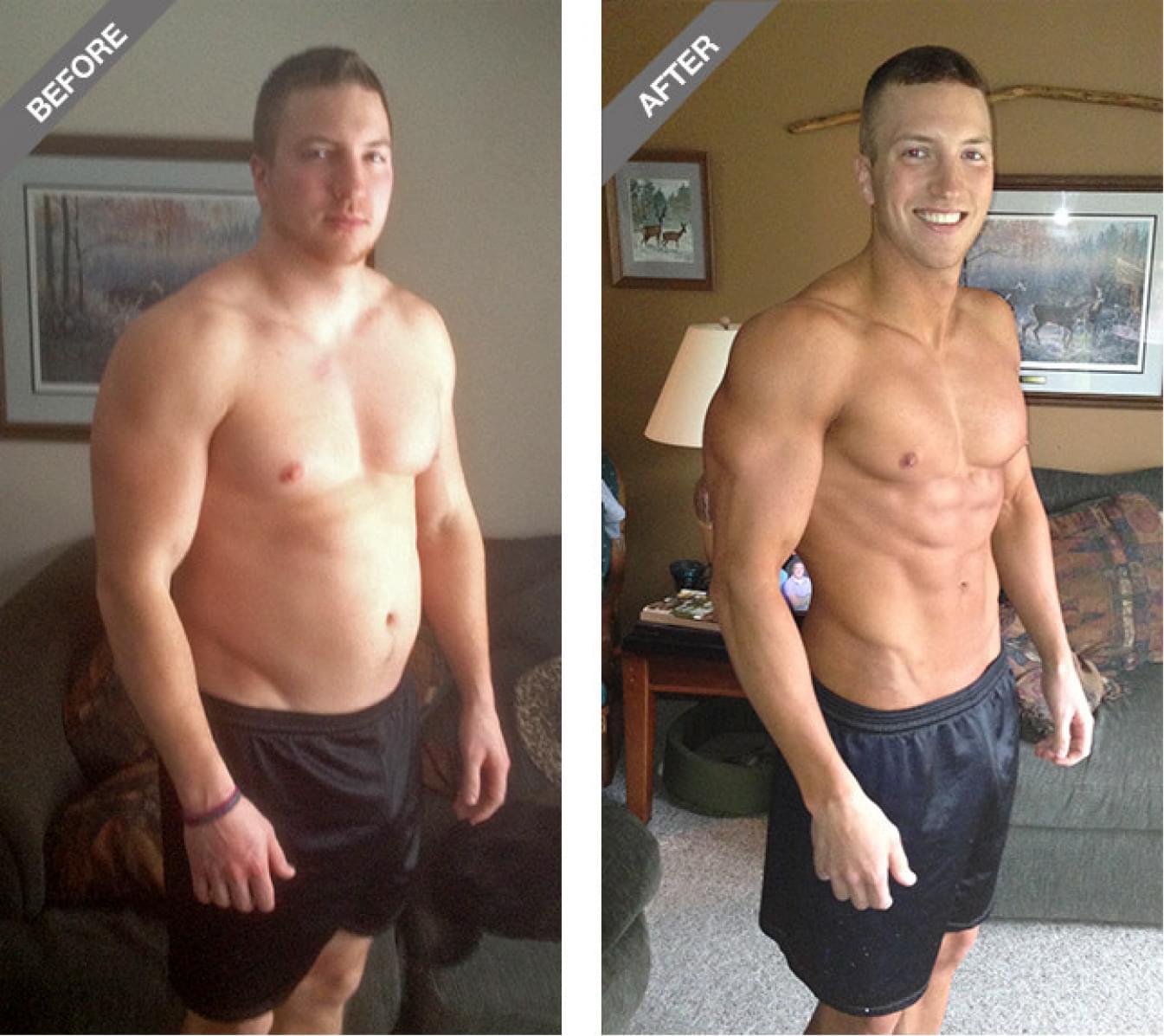
Where fat is distributed across the body—not merely the total amount—significantly and independently influences brain structure, brain function, and cognitive performance in middle-aged and older adults. This new study was published in Nature Mental Health.
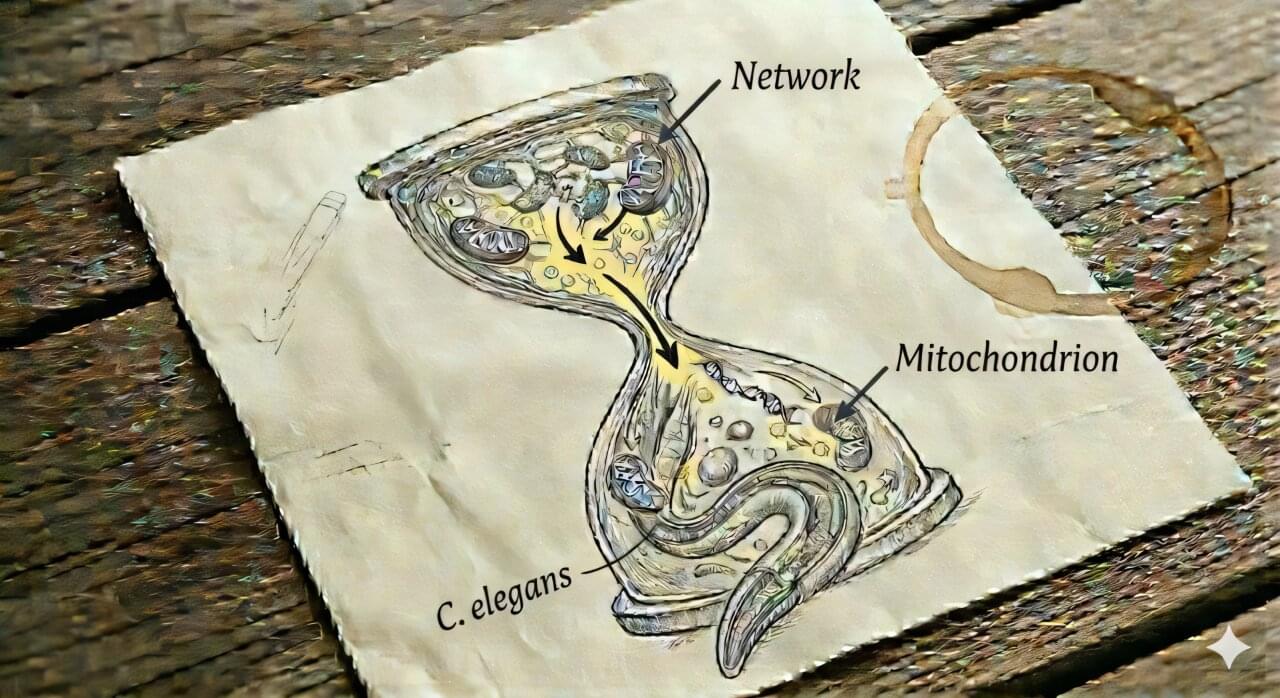
Why do cells age—and why do we lose our energy and vitality as we get older? This question is one of the central challenges of modern biomedicine. The focus is particularly on mitochondria—tiny cellular organelles long known as the cell’s powerhouses but now understood as dynamic control centers that not only produce energy, but also coordinate cellular communication, adaptation, and many of the processes essential for life.
They supply us with the energy that our body needs for movement, growth, and repair processes. But as we age, these powerhouses begin to slow down. It has long been known that their function declines with age. But until now, the mechanisms driving this gradual decline have been poorly understood.
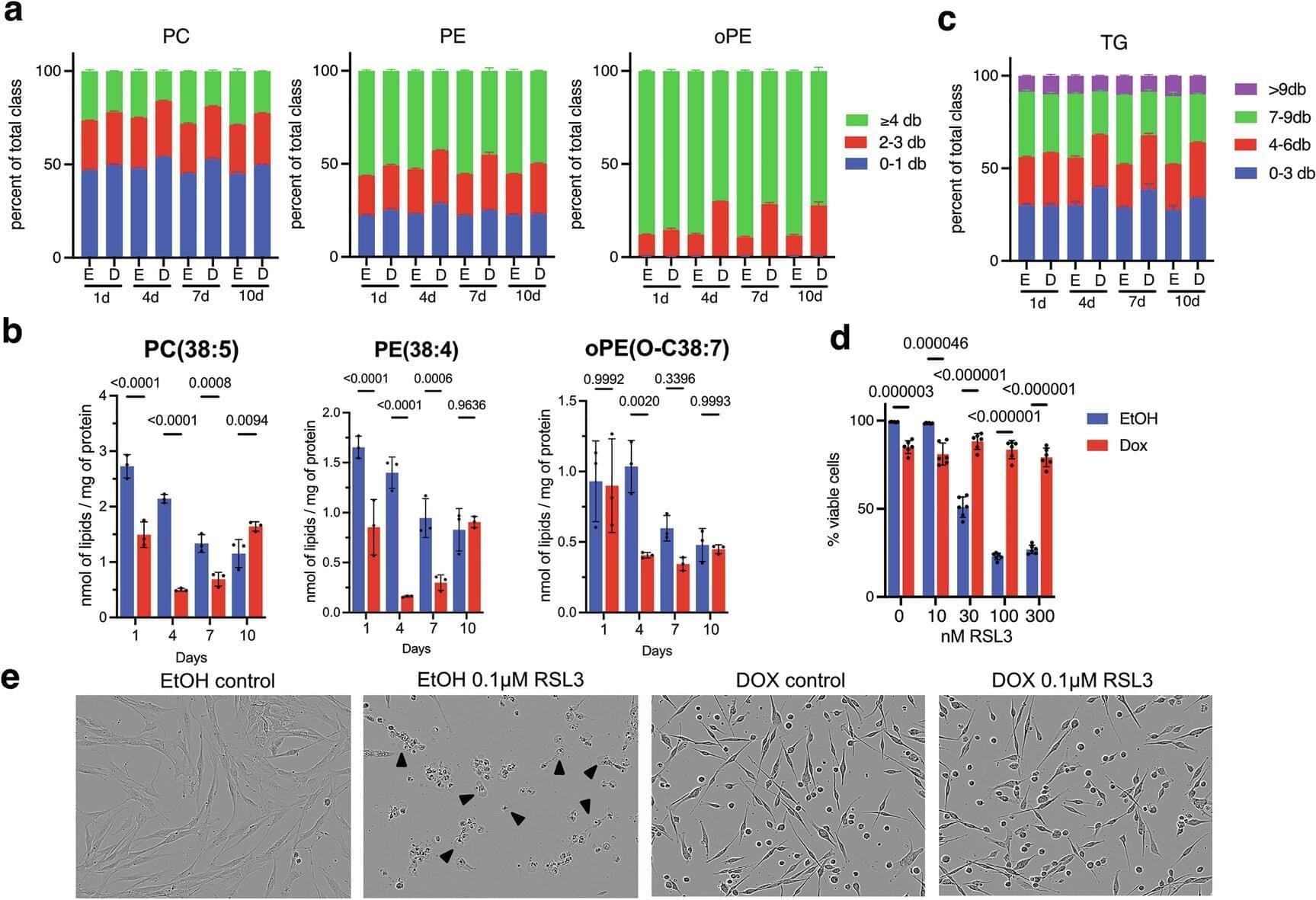
Focus on membrane lipids For a long time, it was assumed that genetic damage within the mitochondria themselves was primarily responsible. A study now published in Nature Communications by an international research team led by Dr. Maria Ermolaeva of the Leibniz Institute on Aging—Fritz Lipmann Institute (FLI) in Jena provides a surprising answer to this question: A key factor appears to be the imbalance in the structure of the mitochondrial network, which is caused by the absence of a major lipid in the membrane composition.
I’ve spent years watching finance and technology slowly adapt to one another, but the shift we’re looking at right now is going to change the entire landscape overnight. We need to stop thinking of AI as just a software tool or a cool shortcut for writing emails. We are officially entering an era where computational power is a foundational global commodity—and the standard unit of that commodity is the AI token.
Think of it like digital energy. Just as factories consume kilowatt-hours of electricity, modern enterprises now have to “burn” tokens to power their workflows. In my latest piece, I break down the massive hidden risk of letting a few Big Tech hyperscalers control both the production of this raw material and the infrastructure of exchange. This is where the banking sector has to step in, not just to cut their own costs, but to act as the ultimate market makers for artificial thought.
I dive deep into how banks will soon offer token futures markets—allowing companies to hedge their computing costs the exact same way airlines hedge aviation fuel—and how autonomous AI agents will soon be transacting with each other using tokenized value. The institutions that build these financial rails now will own the next century of commerce, while the rest risk being left behind in an aging system.
Click through to read the full breakdown on how the machine-to-machine economy is actually going to work!
(https://www.linkedin.com/pulse/new-gold-standard-when-ai-tok…Resilience over Political Influence: History shows that attempting to lobby a system to be “less exploitative” rarely works because the system is designed for extraction. True survival in this model might mean finding “off-grid” pockets where the resource demand is low enough to fly under the AI’s radar, or where the land is unsuitable for massive data centers.
I have spent a significant portion of my career watching the tectonic plates of finance and technology grind against each other. Usually, it is a slow, methodical process—a gradual shifting of legacy systems adapting to new digital realities. But every so often, a shift occurs that is so profound, it completely redefines the landscape overnight. We are standing on the precipice of one of those shifts right now.
In this groundbreaking conversation, Professor of Genetics and longevity scientist, Dr. David Sinclair, A.O., Ph.D., joins Sarah Grynberg to unpack the future of human aging, the science of longevity, and how we live today impacts how we age tomorrow.
From reversing blindness in mice to exploring treatments that could one day delay menopause and extend healthy human life, this episode will completely change the way you think about your body, your health, and your future.
But beyond the science, this is also a deeply human conversation about purpose, suffering, love, family, and what it truly means to live a great life.
In this episode, you will learn: Why aging may actually be reversible. The daily habits accelerating aging in your body right now. How stress, loneliness, and cortisol could impact longevity. The real science behind supplements like NMN, resveratrol, and NAD boosters. Why exercise, sleep, and relationships matter more than you think. What Dr. Sinclair believes is coming in the next 10 years of medicine. How scientists are working to reverse female infertility and delay menopause. The surprising reason your “biological age” may be younger or older than your real age. Why suffering through disease and decline should not be considered “normal aging” The philosophy and mindset Dr. Sinclair lives by every day.
00:00 — Introduction. 01:18 — Why David Sinclair Became Obsessed With Aging. 06:20 — The Childhood Conversation That Changed His Life. 10:18 — The Groundbreaking Discovery That Could Reverse Aging. 12:47 — Reversing Blindness In Mice. 13:33 — Human Trials Are About To Begin. 16:11 — What Accelerates Aging Faster Than Anything Else. 20:08 — Why Relationships & Loneliness Impact Longevity. 24:14 — The Truth About Sun Exposure & Aging. 28:59 — Alzheimer’s, Cancer & Diseases Of Aging. 35:28 — Will Humans Live Longer In The Next Decade? 38:34 — The Supplements David Sinclair Personally Takes. 46:50 — Menopause, Fertility & Reversing Ovarian Aging. 50:20 — What Humans Will Eventually Die From. 51:18 — The Difference Between His Mother & Father’s Aging. 55:37 — Skin Rejuvenation, Hair Growth & Looking Younger. 58:16 — Why He Became A “Struggling Vegan” 01:00:08 — David Sinclair’s Workout & Exercise Routine. 01:03:28 — The Lifespan Community & Podcast. 01:06:02 — The Best Advice He’s Ever Received. 01:08:09 — What A Life Of Greatness Means To David Sinclair.
This episode is a powerful reminder that longevity is not just about living longer… it’s about living better.
Scientists have discovered that a topical anti-aging drug called ABT-263 can dramatically improve wound healing in older skin. The treatment works by removing damaged “senescent” cells that accumulate with age and slow the body’s repair process. In aged mice, wounds healed much faster after treatment, while the drug also activated genes tied to collagen production and tissue regeneration.
The drug rilmenidine is usually taken to treat hypertension, but its powers appear to go far beyond that.
In fact, research shows rilmenidine can slow aging in worms – an effect that, if it translates to humans, could one day help us live longer and stay healthier in old age.
Rilmenidine appears to mimic the effects of caloric restriction on a cellular level, and reducing available energy while maintaining nutrition has been shown to extend lifespans in several animal models.
In response to stress or damage, cells undergo senescence and stop dividing. However, if senescent cells accumulate in tissues over the long term, chronic inflammation occurs and the risk of cancer increases. Researchers at the German Cancer Research Center (DKFZ) have now discovered a previously unknown mechanism by which senescent cells protect themselves from oxidative stress and a specific form of cell death known as ferroptosis.
In the long term, these findings could provide new avenues for cancer therapies and the treatment of age-related diseases. The research is published in the journal Cell Death & Differentiation.
Senescence occurs when cells respond to stress or harmful changes and permanently cease their growth. This process is considered a protective mechanism against cancer. For example, cells that carry an oncogene permanently activated by mutations are effectively “frozen” before they can proliferate uncontrollably—a biological emergency program. However, problems arise when senescent cells accumulate in tissue, where they promote chronic inflammation and thus facilitate tumor development. Scientists are therefore searching for ways to eliminate senescent cells before they can cause harm.
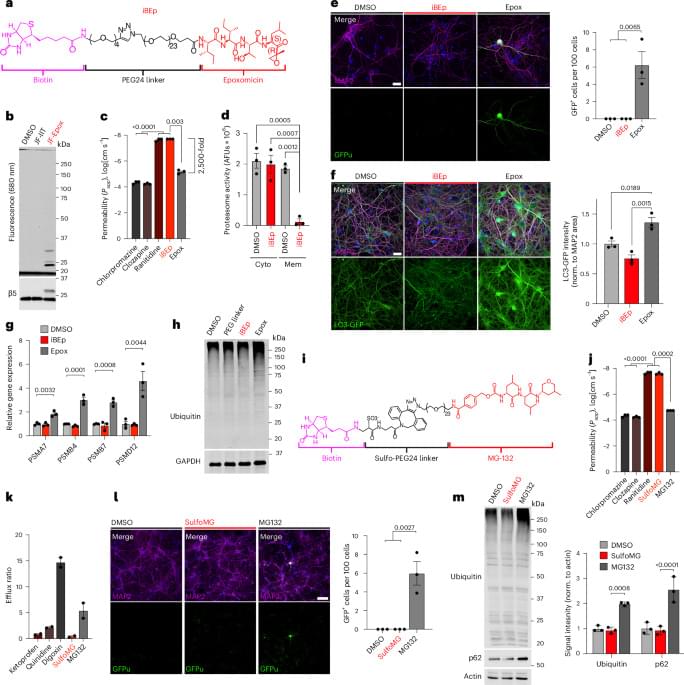
A cellular explanation for how tau aggregates into fibrils in Alzheimer’s disease has been elusive. This paper identifies the failure of ‘neuroproteasomes’ as sufficient to convert tau into paired helical filaments, a process regulated by ApoE and aging.
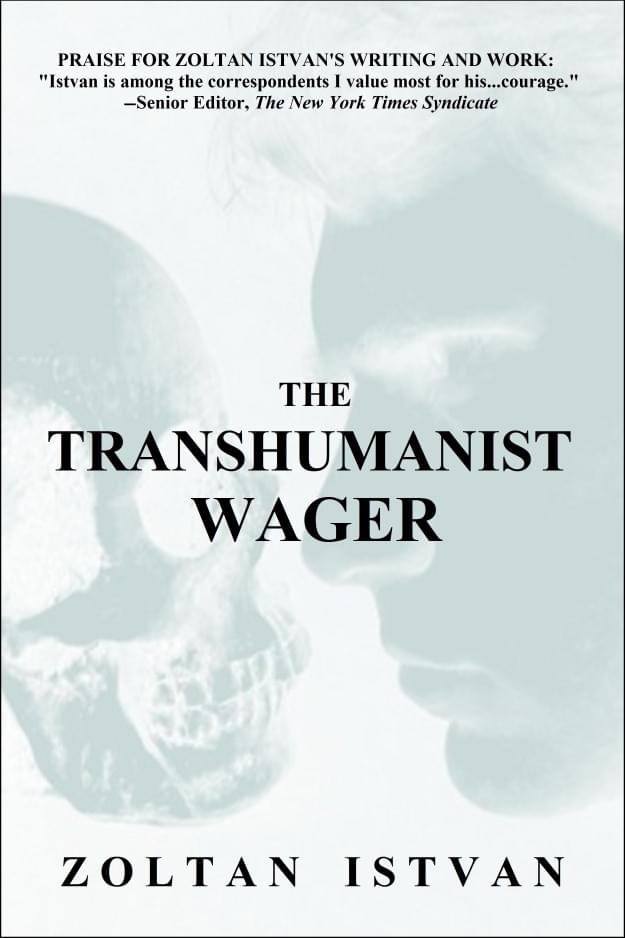
Thirteen years ago, I sat down with a writer who had just published his first novel.
It was Zoltan Istvan’s very first media interview as a book author.
The book was The Transhumanist Wager. The question behind it was simple and almost unbearable: what would you do, and what would you give up, to live forever?
I loved half of it. I argued with the other half. That tension is exactly why I think it still matters.
Zoltan built his story out of Plato and Nietzsche, out of Thomas More’s Utopia and Zen Buddhism, then wrapped it all in an Atlas Shrugged plot of lone heroes and evil states. The philosophy is sophisticated. The framing is stark. The contradictions are not a flaw. They are the point.
One line from our conversation has stayed with me for more than a decade: