A decade-long brain health study has released its full dataset, offering rare longitudinal insights into how cognition and brain structure change across adulthood.

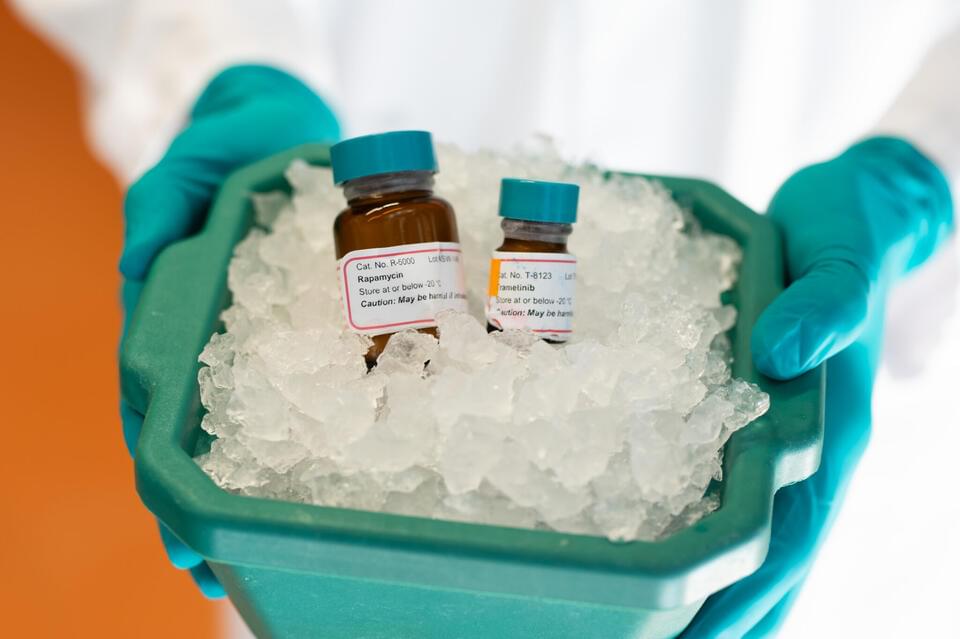
Scientists in Europe have tested an anti-aging drug cocktail in mice and found that it extended the animals’ lifespans by around 30 percent. The mice stayed healthier for longer too, with less chronic inflammation and delayed cancer onset.
The two drugs are rapamycin and trametinib, which are both used to treat different types of cancer. Rapamycin is also often used to prevent organ rejection, and has shown promise in extending lifespans in animal tests. Trametinib, meanwhile, has been shown to extend the lifespan of fruit flies, but whether that worked in larger animals remained to be seen.
So for a new study, a research team led by scientists from the Max Planck Institute in Germany investigated how both drugs, on their own and together, could extend lifespan in mice.

As the population ages, multimorbidity, or when a patient has multiple diseases at once, is becoming increasingly common. The onset of one disease increases the risk of developing other diseases, making it necessary to investigate how a range of risk factors together affect such accumulation. Prior studies have focused on individual risk factors and related individual diseases.
A study explored how the risk factors measured from birth to middle age and unmeasured, or latent, factors covering the entire lifespan predict and explain the incidence of chronic diseases in eight organ systems from middle to old age: the cardiovascular, metabolic, gastrointestinal, musculoskeletal, respiratory, neurological and psychiatric systems, and the sensory organs.
The study, published in The Lancet Healthy Longevity journal, analyzed 22 risk factors, including age, sex, early life (e.g., size at birth, early childhood growth, childhood wartime evacuee status), socioeconomic factors (e.g., socioeconomic status in childhood, income in adulthood), lifestyle factors (e.g., smoking, alcohol consumption, physical activity, diet), clinical measurements and biomarkers (e.g., body mass index, blood pressure, blood glucose).
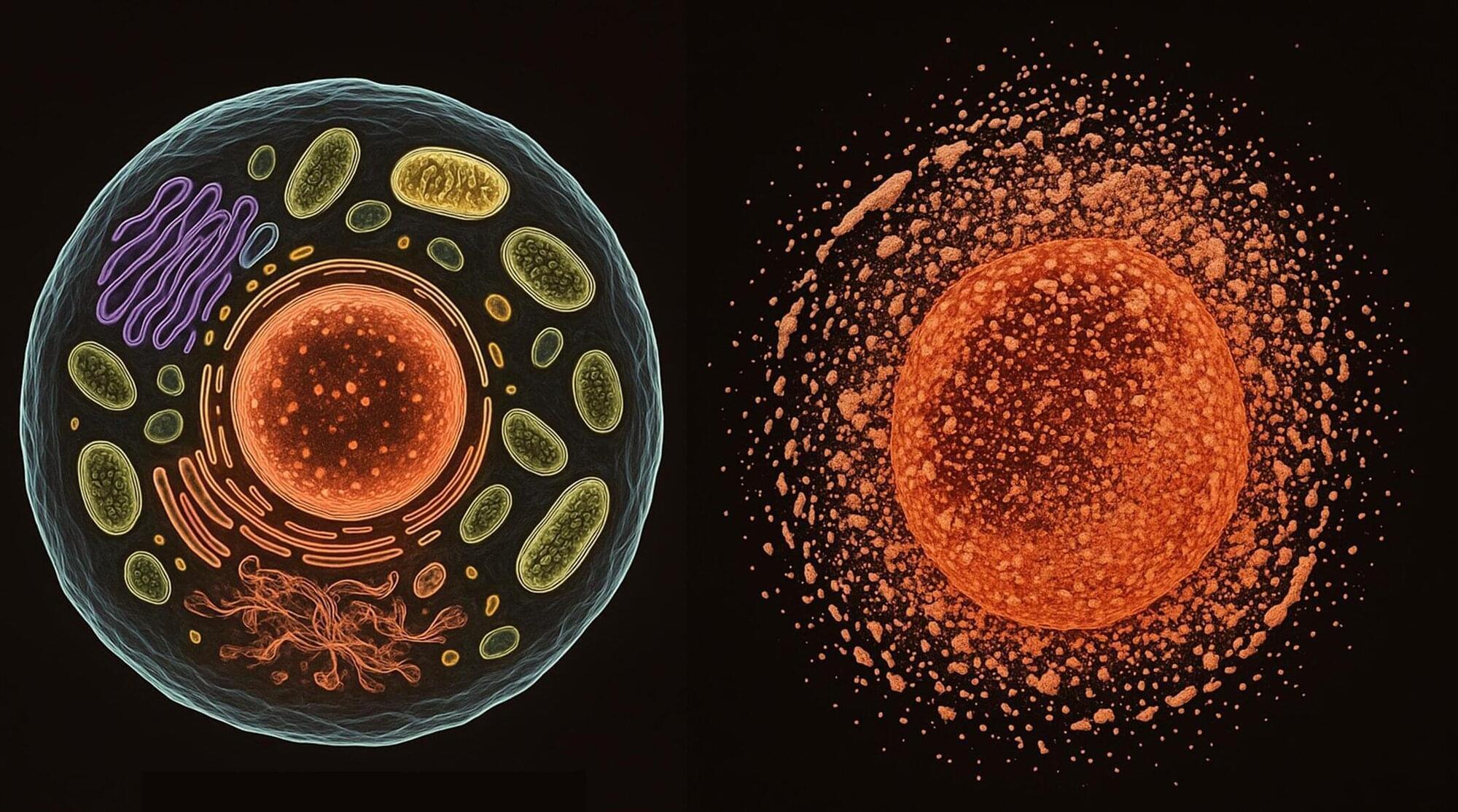
The process of necrosis, a form of cell death, may represent one of the most promising ways to change the course of human aging, disease and even space travel, according to a new study by researchers at UCL, drug discovery company LinkGevity and the European Space Agency (ESA).
In the study, published in Oncogene, an international team of scientists and clinicians explore the potential of necrosis —when cells die unexpectedly as a result of infection, injury or disease—to reshape our understanding and treatment of age-related conditions.
Challenging prevailing views, the paper brings together evidence from cancer biology, regenerative medicine, kidney disease, and space health to argue that necrosis is not merely an endpoint, but a key driver of aging that presents an opportunity for intervention.
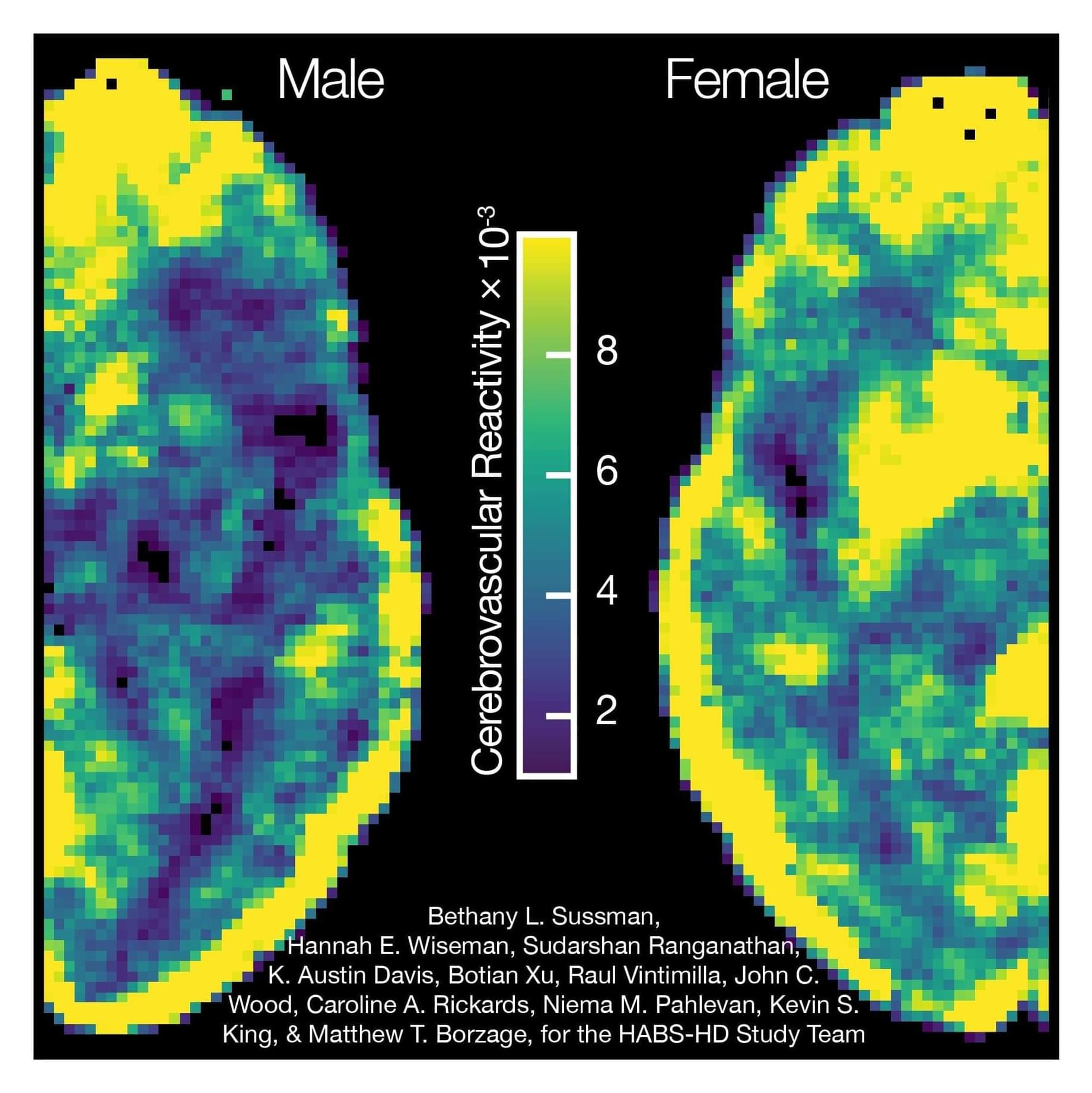
A research team led by the Borzage Laboratory at Children’s Hospital Los Angeles tested a new functional magnetic resonance imaging (fMRI) analysis method to measure cerebrovascular health in aging adults. What they found was unexpected and validated the usefulness of this method for measuring neurovascular aging in childhood diseases.
The researchers measured the cerebrovascular reactivity of the brains of 53 men and women between the ages of 51 to 83. Cerebrovascular reactivity is the ability of the blood vessels in the brain to dilate in response to a stimulus. The fMRI method they used—known as blood oxygen level dependent-cerebrovascular reactivity (BOLD-CVR)—measures the ability of the brain’s vessels to flexibly regulate blood flow in response to changes in carbon dioxide levels.
“How well the vessels react reveals a lot about your brain health,” says lead author Bethany Sussman, Ph.D., Research Scientist, Neonatology, at CHLA. “If a certain part of the brain can’t perform that function very well, that area is likely more susceptible to stroke.