Researchers at the National Institutes of Health are working with biotech company Moderna Therapeutics to develop and test a vaccine against the latest viral outbreak.
The human microbiome is an important emergent area of cross, multi and transdisciplinary study. The complexity of this topic leads to conflicting narratives and regulatory challenges. It raises questions about the benefits of its commercialisation and drives debates about alternative models for engaging with its publics, patients and other potential beneficiaries. The social sciences and the humanities have begun to explore the microbiome as an object of empirical study and as an opportunity for theoretical innovation. They can play an important role in facilitating the development of research that is socially relevant, that incorporates cultural norms and expectations around microbes and that investigates how social and biological lives intersect. This is a propitious moment to establish lines of collaboration in the study of the microbiome that incorporate the concerns and capabilities of the social sciences and the humanities together with those of the natural sciences and relevant stakeholders outside academia. This paper presents an agenda for the engagement of the social sciences with microbiome research and its implications for public policy and social change. Our methods were informed by existing multidisciplinary science-policy agenda-setting exercises. We recruited 36 academics and stakeholders and asked them to produce a list of important questions about the microbiome that were in need of further social science research. We refined this initial list into an agenda of 32 questions and organised them into eight themes that both complement and extend existing research trajectories. This agenda was further developed through a structured workshop where 21 of our participants refined the agenda and reflected on the challenges and the limitations of the exercise itself. The agenda identifies the need for research that addresses the implications of the human microbiome for human health, public health, public and private sector research and notions of self and identity. It also suggests new lines of research sensitive to the complexity and heterogeneity of human–microbiome relations, and how these intersect with questions of environmental governance, social and spatial inequality and public engagement with science.

Essentially you could at this point make a working protoss carrier o.o
Carriers are a late-game Protoss air unit that are the largest and most costly unit available for Protoss. Carriers are produced from the Stargate and requires a pre-existing Fleet Beacon. Carriers have the highest armor, health, and shields of the Protoss race. Their main advantages are their long range and mobility in combat; this potentially incredibly long range is especially notable as unique among Protoss units. On the other hand, their raw attack power is rather low for their price. Perhaps their greatest use is in extreme late-game where their supply efficiency for their staying power is usable, much like Battlecruisers; however, they are hard-countered by the latter since they make volleys of low-damage attacks and due to the Yamato Gun.
Carriers themselves do not, in fact, possess any attack, but like Reavers build and transport unique units –Interceptors in this case- to much the same effect. A Carrier does not come equipped with any Interceptors when first warped in, so it must construct them individually, adding quite a deal of cost and build time to the finished unit. Unlike the Reaver’s Scarabs, however, the units it builds do not immediately sacrifice themselves to attack but attack as would another unit stacking up on a target that it “fires” at until recalled at which point they may still be used again. While targetable, expensive and fairly weak individually Interceptors move quickly around targets, potentially out of range, and can recharge shields instantly upon being recalled meaning they can overwhelm targeted forces (although potentially very, very slowly). Interceptors are all destroyed if the Carrier itself is destroyed.
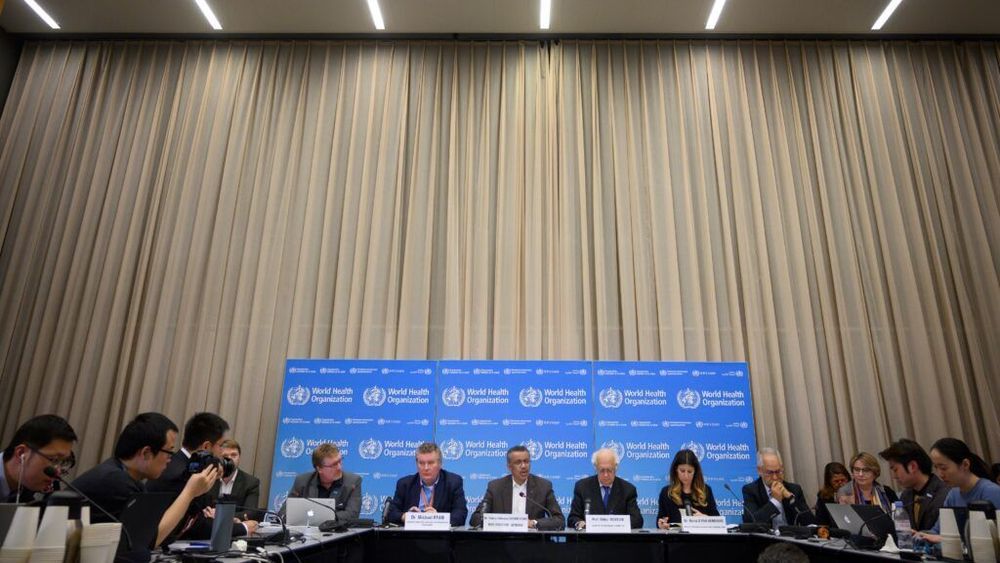
The World Health Organization said the fast-spreading coronavirus that’s infected more than 8,200 people across the world is a global health emergency — a rare designation that helps the international agency mobilize financial and political support to contain the outbreak.
The announcement comes just hours after the U.S. confirmed its first human-to-human transmission of the virus, which has killed at least 171 people in China and has now spread to at least 18 other countries.
Since emerging less than a month ago in Wuhan, China, the coronavirus has infected more people than the 2003 SARS epidemic, which sickened roughly 8,100 people across the globe over nine months. As of Thursday, there are at least eight cases in four countries, outside of China, of human-to-human transmission of the new coronavirus.

Have humans become an indoor species? Given that Americans spend, on average, 93 percent of their time indoors, it would seem that we are indeed suffering from what some call “nature deficit disorder.”
We don’t need a fancy term to realize we might benefit from spending more time outdoors. Getting out for a gentle walk or a vigorous hike is likely to reduce stress, improve health, and increase emotional well-being.
If you spend much time on a computer, you probably reach a time in the day when you have so many browser tabs and programs open that your computer slows considerably. It’s time for a reset.
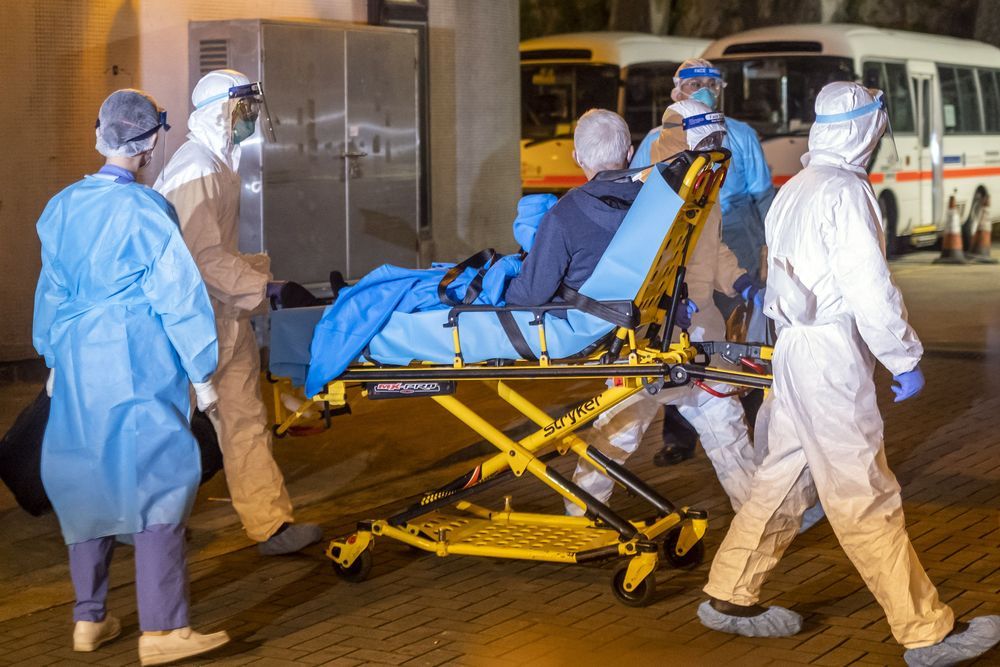
“This is a very serious public health situation,” said Dr. Nancy Messonnier, director of the National Center for Immunization and Respiratory Diseases. “Moving forward, we can expect to see more cases, and more cases means more potential for person-to-person spread.”
The virus, which emerged Dec. 31, has already spread to more people than the 2003 SARS epidemic, which sickened roughly 8,100 people across the globe over nine months. The transmission makes the U.S. at least the fifth country where the infection is now spreading through human-to-human contact, including China. Officials of the Centers for Disease Control and Prevention said there are at least nine cases of human-to-human transmission outside of China, as of Thursday.
As of Thursday afternoon, 8,137 cases were confirmed in mainland China alone, according to Chinese state media, and more than 100 cases were confirmed elsewhere around the world — bringing the global total to at least 8,248.
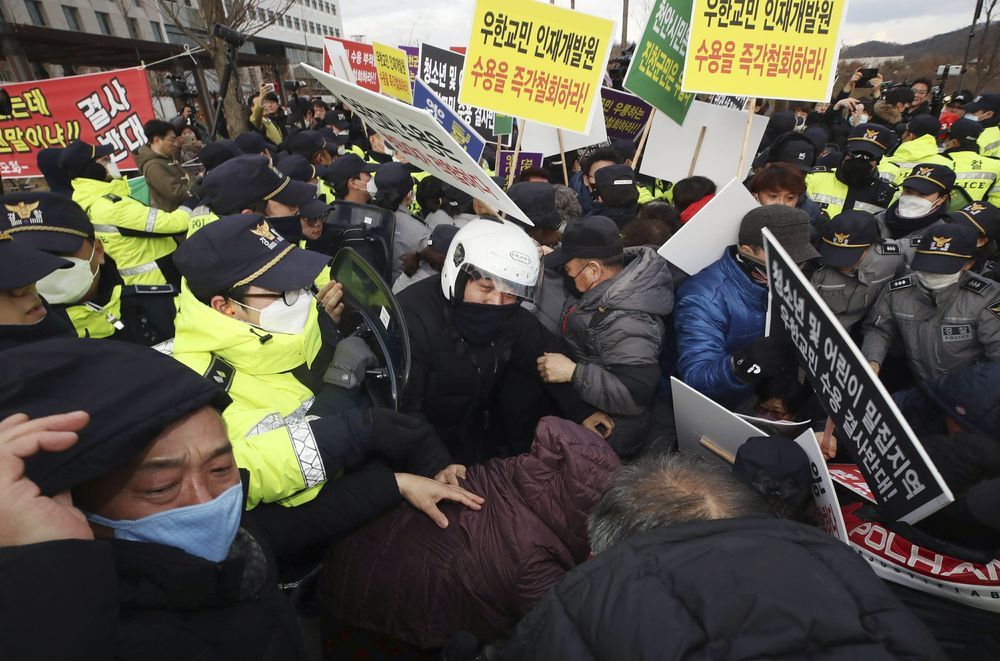
BEIJING (AP) — China counted 170 deaths from a new virus Thursday and more countries reported infections, including some spread locally, as foreign evacuees from China’s worst-hit region returned home to medical observation and even isolation.
India and the Philippines reported their first cases, in a traveler and a student who had both been in Wuhan, the central Chinese city where the new type of coronavirus first surfaced in December. South Korea confirmed a case that was locally spread, in a man who had contact with a patient diagnosed earlier.
Locally spread cases outside China have been a worrying concern among global health officials, as potential signs of the virus spreading more easily and the difficulty of containing it. The World Health Organization is reconvening experts on Thursday to assess whether the outbreak should be declared a global emergency.
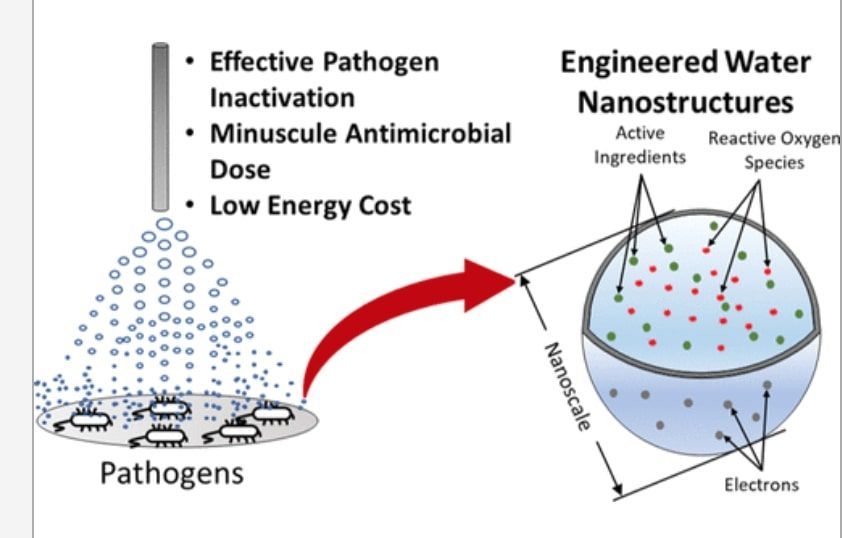
Nanosafety researchers at the Harvard T.H. Chan School of Public Health have developed a new intervention to fight infectious disease by more effectively disinfecting the air around us, our food, our hands, and whatever else harbors the microbes that make us sick.
They used a nano-enabled platform developed at the center to create and deliver tiny, aerosolized water nonodroplets containing non-toxic, nature-inspired disinfectants wherever desired.