Toggle light / dark theme

New genetically engineered wood can store carbon and reduce emissions

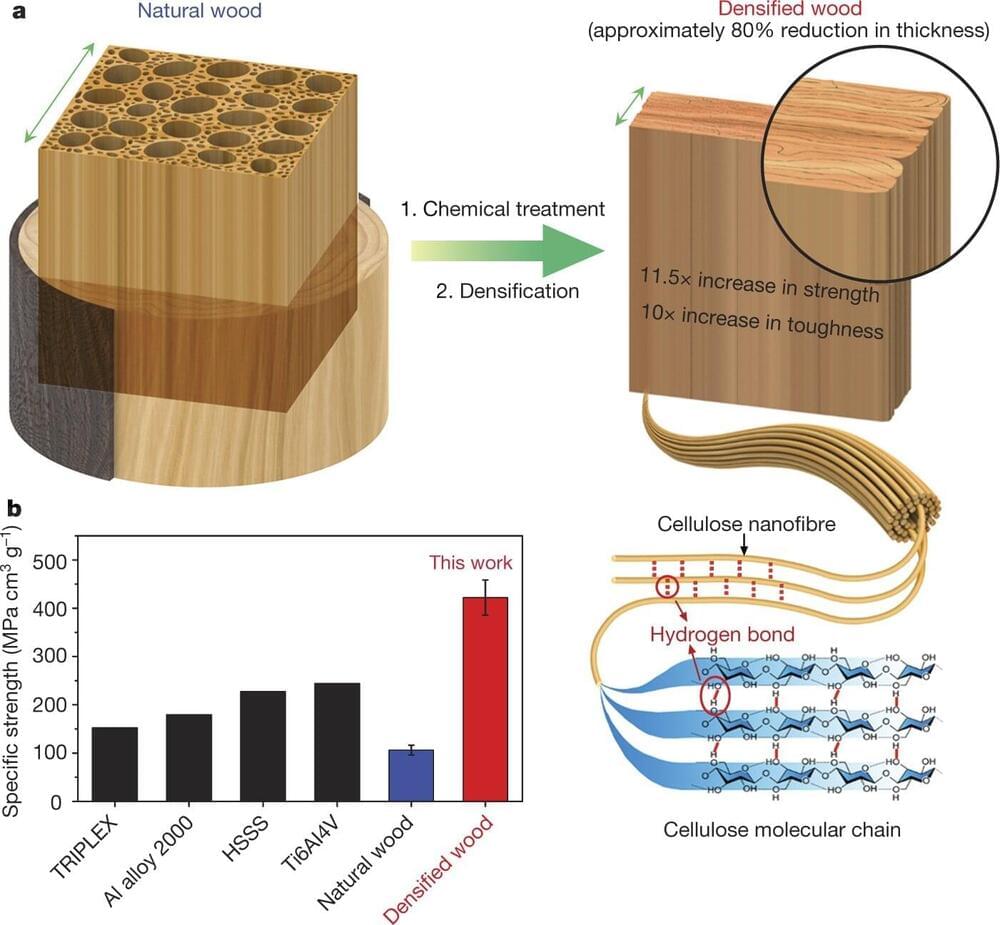
Researchers at the University of Maryland genetically modified poplar trees to produce high-performance, structural wood without the use of chemicals or energy-intensive processing. Made from traditional wood, engineered wood is often seen as a renewable replacement for traditional building materials like steel, cement, glass and plastic. It also has the potential to store carbon for a longer time than traditional wood because it can resist deterioration, making it useful in efforts to reduce carbon emissions.

But the hurdle to true sustainability in engineered wood is that it requires processing with volatile chemicals and a significant amount of energy, and produces considerable waste. The researchers edited one gene in live poplar trees, which then grew wood ready for engineering without processing.

The research was published online on August 12, 2024, in the Journal Matter.

Evaluating Possible Anti-Aging Drugs

Aging is the major risk factor for the development of chronic diseases such as cardiovascular disease, cancer, diabetes, and dementia. Therefore, drugs that slow the aging process may help extend both lifespan and healthspan (the length of time that people are healthy).

In a study published online on February 29 in Medical Research Archives, Albert Einstein College of Medicine researchers evaluated U.S. Food and Drug Administration-approved drugs for their anti-aging potential. In ranking those drugs, they gave equal weight to preclinical studies (i.e., effect on rodent lifespan and healthspan) and clinical studies (i.e., reduced mortality from diseases the drugs were not intended to treat). The four therapeutics judged most promising for targeting aging were SGLT2 inhibitors, metformin, bisphosphonates, and GLP-1 receptor agonists. Since these drugs have been approved for safety and used extensively, the researchers recommend they be evaluated for their anti-aging potential in large-scale clinical trials.

The study’s corresponding author was Nir Barzilai, M.D., director of Einstein’s Institute for Aging Research, professor of medicine and of genetics and the Ingeborg and Ira Leon Rennert Chair in Aging Research at Einstein, and a member of the National Cancer Institute–designated Montefiore Einstein Comprehensive Cancer Center. The lead author was Michael Leone, a medical student at Einstein.

These Scientists Are Battling Dangerous Superbugs With a ChatGPT-Like AI

According to the World Health Organization, antibiotic resistance is a top public health risk that was responsible for 1.27 million deaths across the globe in 2019. When repeatedly exposed to antibiotics, bacteria rapidly learn to adapt their genes to counteract the drugs—and share the genetic tweaks with their peers—rendering the drugs ineffective.

Superpowered bacteria also torpedo medical procedures—surgery, chemotherapy, C-sections—adding risk to life-saving therapies. With antibiotic resistance on the rise, there are very few new drugs in development. While studies in petri dishes have zeroed in on potent candidates, some of these also harm the body’s cells, leading to severe side effects.

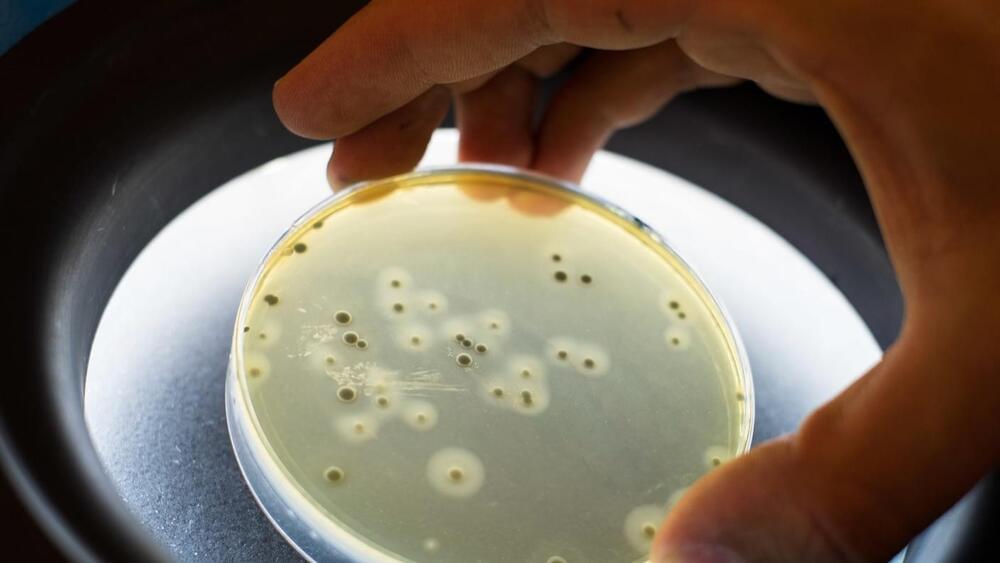
What if there’s a way to retain their bacteria-fighting ability, but with fewer side effects? This month, researchers used AI to reengineer a toxic antibiotic. They made thousands of variants and screened for the ones that maintained their bug-killing abilities without harming human cells.

Scientists have found a secret ‘switch’ that lets bacteria resist antibiotics — and it’s been evading lab tests for decades

For decades, microbiologists like Weiss thought of antibiotic resistance as something a bacterial species either had or didn’t have. But “now, we are realizing that that’s not always the case,” he said.

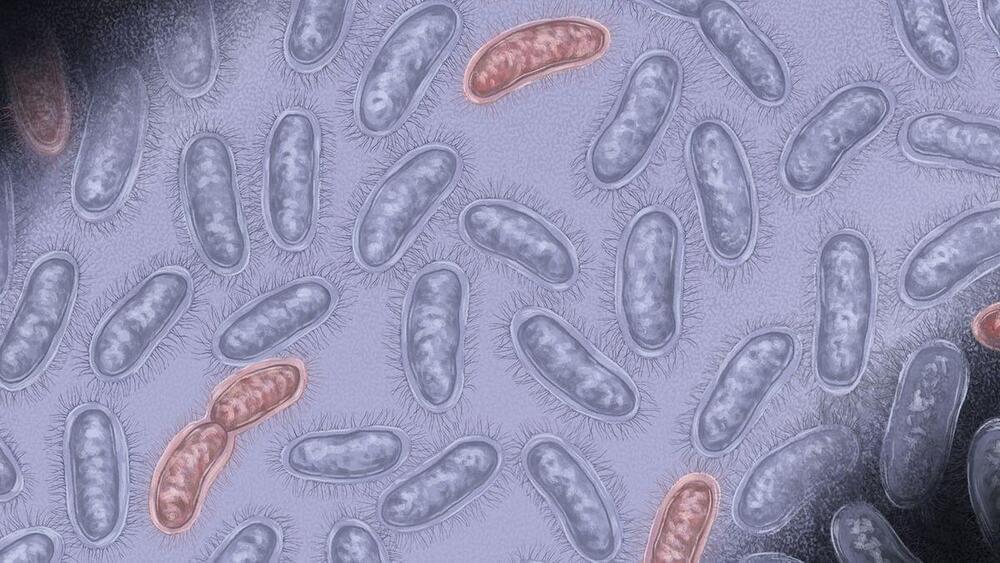
Normally, genes determine how bacteria resist certain antibiotics. For example, bacteria could gain a gene mutation that enables them to chemically disable antibiotics. In other cases, genes may code for proteins that prevent the drugs from crossing bacterial cell walls. But that is not the case for heteroresistant bacteria; they defeat drugs designed to kill them without bona fide resistance genes. When they’re not exposed to an antibiotic, these bacteria look like any other bacteria.

Study identifies RNA molecule that Regulates Cellular Aging

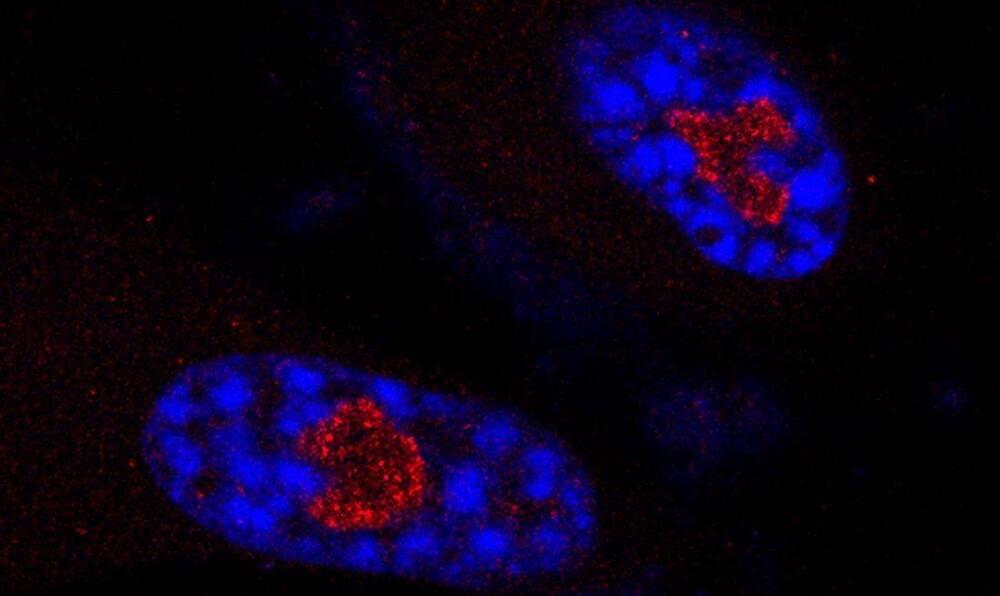
A team led by UT Southwestern Medical Center researchers has discovered a new way that cells regulate senescence, an irreversible end to cell division. The findings, published in Cell, could one day lead to new interventions for a variety of conditions associated with aging, including neurodegenerative and cardiovascular diseases, diabetes, and cancer, as well as new therapies for a collection of diseases known as ribosomopathies.

“There is great interest in reducing senescence to slow or reverse aging or aging-associated diseases. We discovered a noncoding RNA that when inhibited strongly impairs senescence, suggesting that it could be a therapeutic target for conditions associated with aging,” said Joshua Mendell, M.D., Ph.D., Professor of Molecular Biology and a member of the Harold C. Simmons Comprehensive Cancer Center at UT Southwestern. He is also a Howard Hughes Medical Institute Investigator.

Dr. Mendell led the study with co-first authors Yujing Cheng, Ph.D., a recent graduate of the Genetics, Development, and Disease graduate program; and Siwen Wang, M.D., a former postdoctoral researcher, both in the Mendell Lab.

Dr. Ryan Potts, Ph.D. — VP and Head, Induced Proximity Platform, Amgen — Any Target, Every Time

Leading The Next Wave Of Innovation In Drug Discovery, To Modulate Any Target, Every Time — Dr. P. Ryan Potts, Ph.D., VP and Head, Induced Proximity Platform, Amgen.


Dr. Ryan Potts, Ph.D. is Vice President and Head, Induced Proximity Platform at Amgen (https://www.amgen.com/science/researc…) which is focused on novel ways to bring two or more molecules in close proximity to each other to tackle drug targets that are currently considered “undruggable.” He also leads Amgen’s Research \& Development Postdoctoral Fellows Program (https://www.amgen.com/science/scienti…).

Dr. Potts obtained his B.S. in Biology from the University of North Carolina and his Ph.D. in Cell and Molecular Biology from UT Southwestern in 2007. In 2008 he was awarded the Sara and Frank McKnight junior faculty position at UT Southwestern Medical Center. During this time his lab focused on answering a long-standing question in cancer biology regarding the cellular function of cancer-testis antigen (CTAs) proteins. In 2011 he was appointed Assistant Professor in the Departments of Physiology, Pharmacology, and Biochemistry at UT Southwestern Medical Center. His lab’s work defined a function for the enigmatic MAGE gene (Melanoma Antigen Gene) family in protein regulation through ubiquitination.

In 2016 Dr. Potts lab moved to St. Jude Children’s Research Hospital where he was an Associate Member in the Department of Cell and Molecular Biology. There his lab continued to work on CTAs, with a focus on elucidating the biochemical, cellular, physiological and pathological functions of the MAGE gene family.

In 2020 Dr. Potts moved to Amgen, Inc. in Thousand Oaks, California to build a new department called the Induced Proximity Platform (IPP).

“Missing Link” Uncovered: The Secret History of Corn Revealed Through RNA

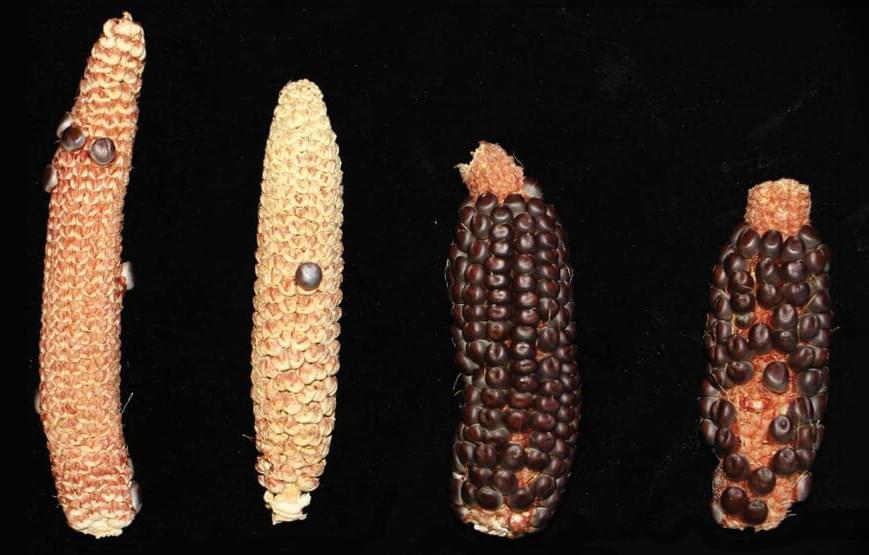
Researchers at Cold Spring Harbor Laboratory have traced the domestication of maize back to its origins 9,000 years ago, highlighting its crossbreeding with teosinte mexicana for cold adaptability.

The discovery of a genetic mechanism known as Teosinte Pollen Drive by Professor Rob Martienssen provides a critical link in understanding maize’s rapid adaptation and distribution across America, shedding light on evolutionary processes and potential agricultural applications.

Cold Spring Harbor Laboratory (CSHL) scientists have begun to unravel a mystery millennia in the making. Our story begins 9,000 years ago. It was then that maize was first domesticated in the Mexican lowlands. Some 5,000 years later, the crop crossed with a species from the Mexican highlands called teosinte mexicana. This resulted in cold adaptability. From here, corn spread across the continent, giving rise to the vegetable that is now such a big part of our diets. But how did it adapt so quickly? What biological mechanisms allowed the highland crop’s traits to take hold? Today, a potential answer emerges.

/* */