Toggle light / dark theme

Dr Halima Benbouza — Leading Biotech Development In Algeria For Health, Agriculture and Conservation

Dr. Halima Benbouza is an Algerian scientist in the field of agronomic sciences and biological engineering.

She received her doctorate in 2004 from the University Agro BioTech Gembloux, Belgium studying Plant Breeding and Genetics and was offered a postdoctoral position to work on a collaborative project with the Agricultural Research Service, United States Department of Agriculture in Stoneville, Mississippi.

Subsequently, Dr. Benbouza was funded by Dow Agro Science to study Fusarium wilt resistance in cotton. In 2009 she was awarded the Special Prize Eric Daugimont et Dominique Van der Rest by the University Agro BioTech Gembloux, Belgium.

Dr. Benbouza is Professor at Batna 1 University where she teaches graduate and postgraduate students in the Institute of Veterinary Medicine and Agronomy. She also supervises Master’s and PhD students.

From 2010–2016, Dr. Benbouza served as inaugural Director of the Biotechnology Research Center (CRBt) in Constantine, appointed by the Ministry of Higher Education and Scientific Research. In 2011, she was appointed by the Algerian government as President of the Intersectoral Commission of Health and Life Sciences. Dr. Benbouza is a member of the Algerian National Council for Research Evaluation and a past member of the Sectorial Permanent Board of the Ministry of Higher Education and Scientific Research.

In 2013, Dr. Benbouza was appointed by the Prime Minister as President of the steering committee of Algeria’s Biotech Pharma project. In 2014 she was honored by the US Embassy in Algiers as one of the “Women in Science Hall of Fame” for her research achievements and her outstanding contribution to promote research activities and advance science in her country.

Making The Future Better Together

The future is someone else’s problem. Tomorrow is just another day.

This is all well and good to think, but if we want to live a long, healthy life, then we ALL need to work to make tomorrow a better day…

Or we could just let Mad Max, Handmaid’s Tale, 1984, Animal Farm, etc., come to pass…anr then we can all moan about it as we are living in a nightmare…

Does it have to be that way?


I will look at where we are today and what we need to change as we seek to design a better life and a better world, so together, we can build a better future.

DNA in water used to uncover genes of invasive fish

Invasive round goby fish have impacted fisheries in the Great Lakes and the Finger Lakes by competing with native species and eating the eggs of some species of game fish.

But the camouflaged bottom dwellers can be difficult to find and collect—especially when they first enter a new body of water and their numbers are low and they might be easier to remove.

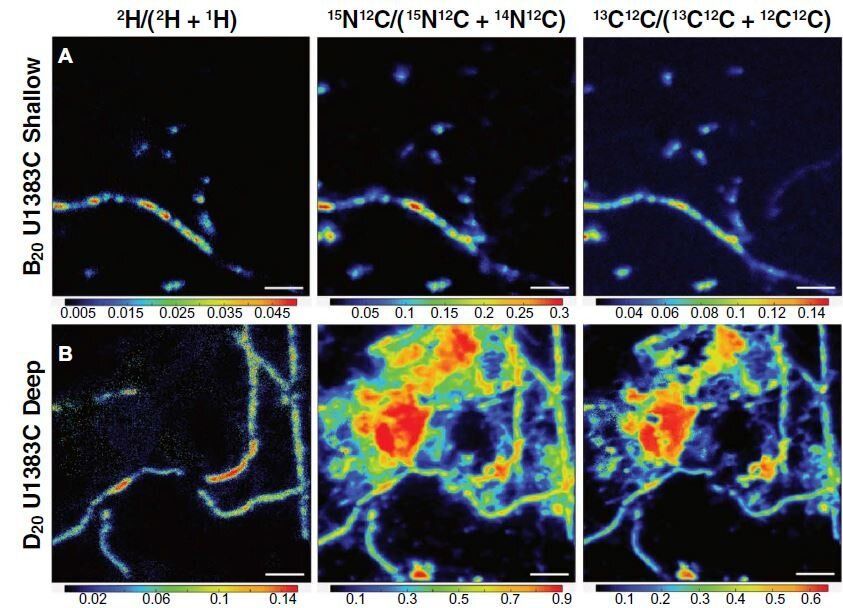
In a proof-of-principle study, Cornell researchers describe a new technique in which they analyzed environmental DNA—or eDNA—from in Cayuga Lake to gather nuanced information about the presence of these invasive fish.

DARPA Seeks Compact, Deployable Electron Accelerator

New program aims to build and demonstrate ruggedized device for tactical applications.

Like.

Comment.


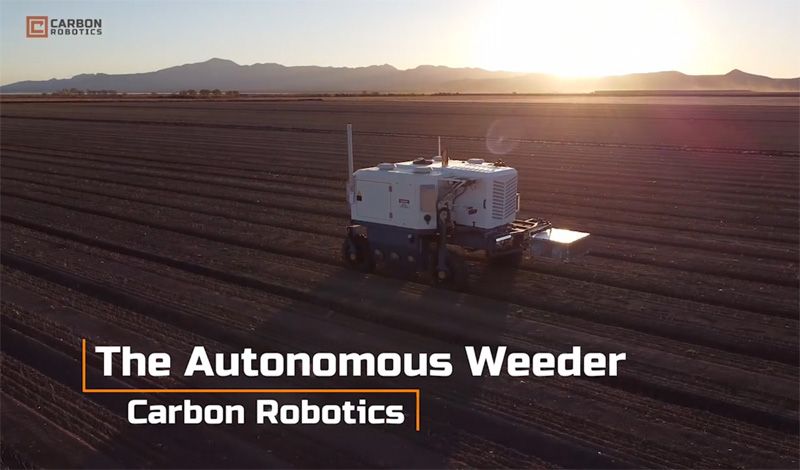
Linear accelerators, LINACs for short, are devices that accelerate electrons or other sub-atomic particles along a straight line to generate a beam of high energy. LINACs have a variety of commercial uses such as generating X-rays for cargo inspection, medical diagnostics, food sterilization, and even enabling precise external radiation treatments to destroy cancer cells without damaging surrounding tissue. To generate more powerful electron beams using current technology, however, requires building larger LINACs that can grow to dozens of meters or longer depending on the application. Unfortunately, powerful LINACs are too large and heavy to be practical for military use in the field.

DARPA has announced its Advanced Concept Compact Electron Linear-accelerator (ACCEL) program whose goal is to develop a powerful, deployable electron LINAC. A webinar Proposers Day for potential proposers is scheduled for January 282021.

“A high-power compact, rugged accelerator that could be transported by truck or aircraft to austere locations would provide multiple defense and homeland security benefits,” said Col. Dan “Animal” Javorsek, ACCEL program manager. “It could be used for medical treatments in locales without advanced hospitals, remote detonation of Improvised Explosive Devices, and mobile imaging or inspection of shipping containers’ contents to counter chem-bio and radiological threats. A deployable LINAC could also enable portable sterilization for foods and surfaces to prevent contamination and infection in deployed environments.”

Immortal Line of Cloned Mice Created

Watch out, George Lucas, there’s a new attack of the clones, and these ones are furry.

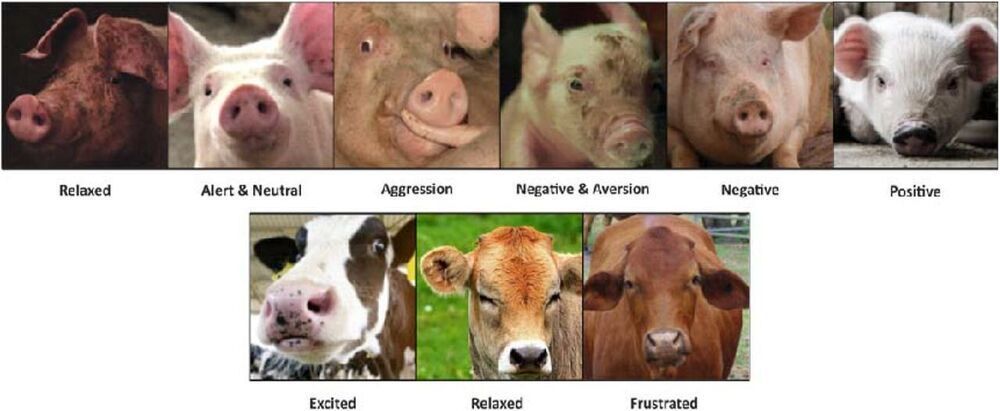
Japanese researchers have created a potentially endless line of mice cloned from other cloned mice. They used the same technique that created Dolly the sheep to produce 581 mice from an original donor mouse through 25 rounds of cloning, the scientists report in the March 7 issue of the journal Cell Stem Cell.

“This technique could be very useful for the large-scale production of superior-quality animals, for farming or conservation purposes,” study leader Teruhiko Wakayama of the RIKEN Center for Developmental Biology in Kobe, Japan, said in a statement.

Biotin, mitochondria, and dementia

Biotin is also known as vitamin H, named for the German words “Haar” and “Haut,” which mean hair and skin. This was due to the fact that even slight deficiencies cause hair thinning, skin rash or brittle fingernails. New research, just published in PNAS, now shows that some forms of severe neurodegeneration, like the frontotemporal dementia seen in Alzheimer’s and Parkinson’s, can directly result from lack of sufficient biotin.

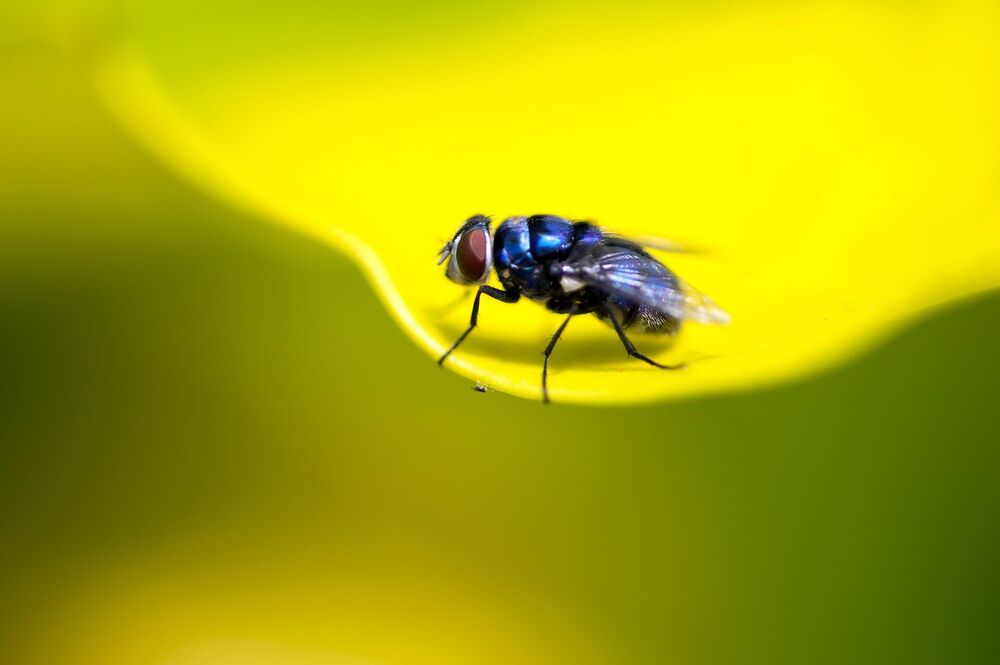
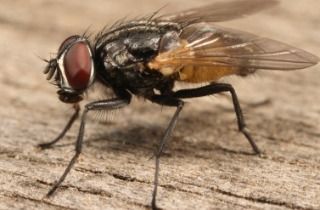
The authors discovered this by looking at fruit flies with dementia. Now, before anyone chuckles, actually make a nice model of Alzheimer’s or other diseases when they are given the right . Human versions of defective MAPT (tau) genes cause these flies to develop tauopathies that resemble those that occur in our own brains. To delve deeper into the neurotoxicity of tau, they looked at over 7000 fly genes in a forward genetic screen before zeroing in on one significantly modified toxicity of the tauR406W mutant. This gene, Btnd, encodes the biotinidase enzyme that extracts biotin from food sources or recycles it from used enzymes.

A model that can create unique Chinese calligraphy art

Over the past few years, computer scientists have developed increasingly advanced and sophisticated artificial intelligence (AI) tools, which can tackle a wide variety of tasks. This includes generative adversarial networks (GANs), machine-learning models that can learn to generate new data, including text, audio files or images. Some of these models can also be tailored for creative purposes, for instance, to create unique drawings, songs or poems.

Researchers at Tongji University in Shanghai in China and the University of Delaware in the US have recently created a GAN-based model that can generate abstract artworks inspired by Chinese . The term Chinese calligraphy refers to the artistic form in which Chinese characters were traditionally written.

“In 2019, we collaborated with a restaurant based in Shanghai to showcase some AI technologies for better customer engagement and experience,” Professor Harry Jiannan Wang, one of the researchers who carried out the study, told TechXplore. “We then had the idea to use AI technologies to generate personalized abstract art based on the dishes customers order and present the artwork to entertain customers while they wait for their meals to be served.”

/* */