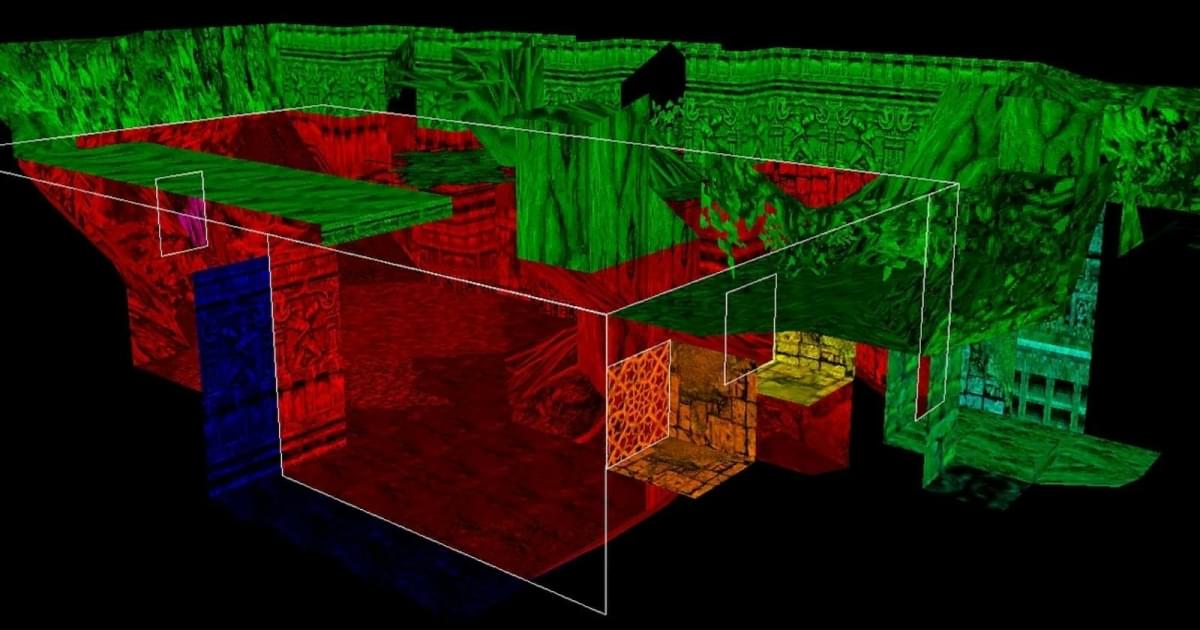
Have you ever wondered how ’90s games built immersive 3D worlds long before modern GPUs and shaders?
My third-favorite Batman: Arkham game is looking a lot slicker.

Over the past few months, we’ve covered plug-ins for both Unreal Engine and Godot that optimize power use, making games more energy-efficient and helping players get more out of their battery life. They work by detecting when a player goes idle, then lowering the frame rate and rendering resolution, and during longer periods of inactivity, even pausing rendering entirely.
Now, thanks to Oliver Stock, who felt like somebody should step up and do the same for Unity, there’s a similar plug-in available for developers. It’s free and open-source, and you can get it by clicking here. It monitors player input, and when nothing’s happening, it automatically switches between different energy profiles. These profiles control which settings are adjusted, like frame rate, resolution, or physics updates. You can easily tweak or create your own profiles to suit your project’s needs.
Oliver recommends using Unity 2022.3.62f2 or newer. The plug-in currently only works with Unity’s URP or HDRP.
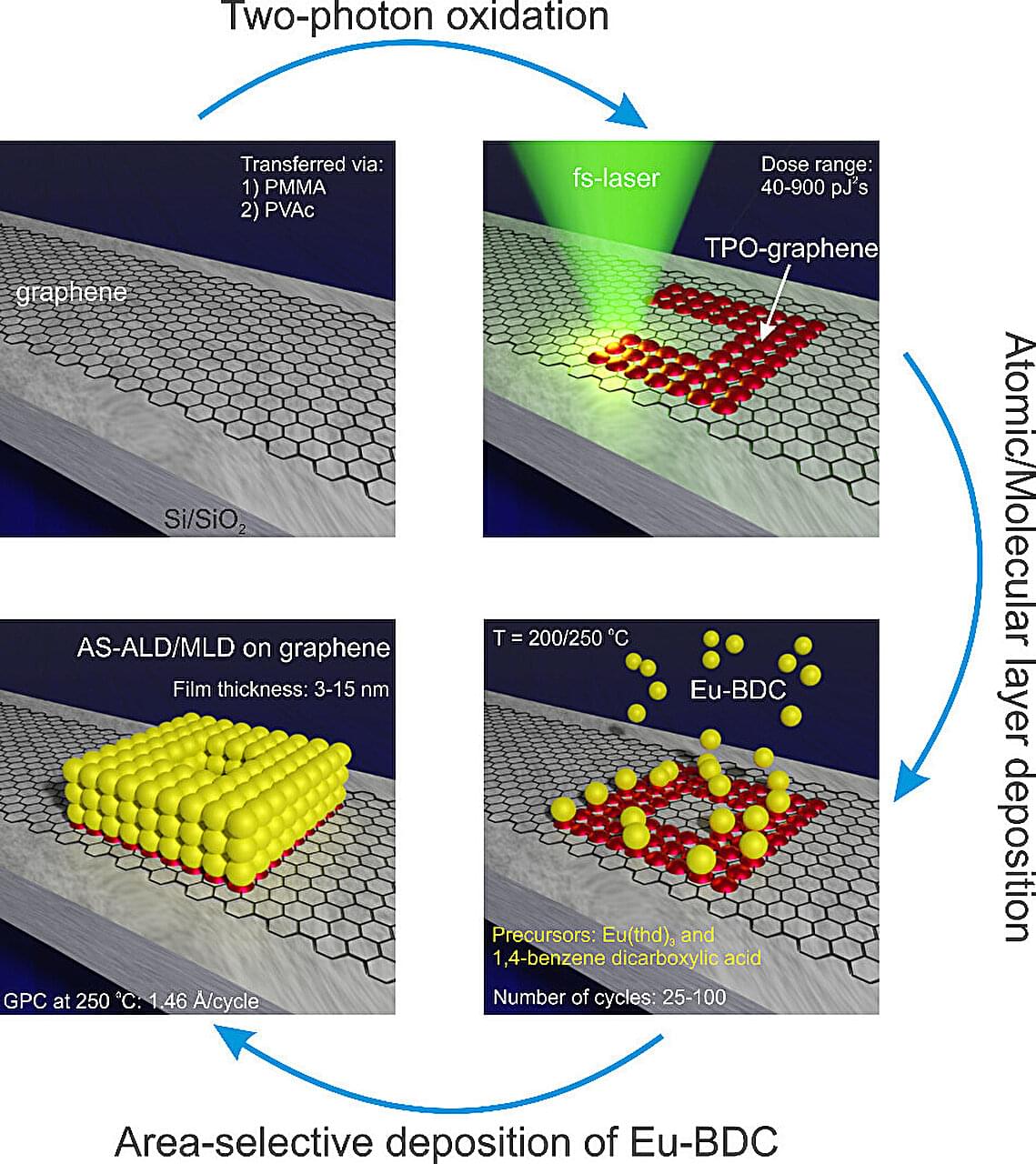
Researchers from the University of Jyväskylä and Aalto University have developed a new method based on laser modification, which allows metal-organic materials to be grown locally one molecule-thick layer at a time. The method enables the precise construction of films of different shapes and offers new ways to modify the properties of materials for various applications. The study was published in the journal ACS Nano.
Atomic layer deposition (ALD) is a method used especially in the semiconductor industry to produce high-quality thin films with atomic layer accuracy. The method was developed in the 1970s by the Finnish Tuomo Suntola, and it has since become an important technology.
In ALD, thin films are grown one atomic layer at a time through controlled chemical reactions between the reactants, as well as their interactions with the surface. This so-called bottom-up method allows for precise film thickness adjustment.

Imagine a game of chess where your opponent’s king is in check. It cannot move, but the game is not over—the piece remains on the board. This is how the body might control HIV on its own: The virus would be contained and unable to replicate or spread, but it would not have been eliminated. This is the goal of Professor Ole Schmeltz Søgaard and an international team of researchers—to enable more patients’ immune systems to keep the virus permanently in check without the need for daily medication. Their findings suggest that this requires two key components working in tandem: antibodies and T cells.
In a study published in Nature Immunology, the researchers followed patients who stopped taking their daily HIV medication after receiving experimental treatment. In a small group of patients, the virus has not returned.
“We can see that two branches of the immune system work together to control the virus. One targets one aspect of the virus, the other targets another. Together, they are effective enough to prevent the virus from escaping,” says Søgaard, Professor of Infectious Diseases at Aarhus University Hospital.



How to orient yourself in an unfamiliar codebase — and how Claude Code can help you find your footing without losing your judgment.
Margaret is a senior software engineer. Timothy is her junior colleague. They work in a grand Victorian library in London — the kind of place where inherited collections are treated with respect, and where no one pretends to have read something they haven’t. Timothy has arrived today with someone else’s problem.
Episode 6
Microsoft may soon allow PC players to enjoy original Xbox and Xbox 360 games thanks to an official emulator for Windows. While the talk of the town is the upcoming Project Helix, a new report suggests that we might get the classic Xbox experience before the next-gen Xbox platform.
It seems like the company is exploring emulation as a way to improve backwards compatibility across platforms, especially as the company continues to blur the lines between Xbox consoles and Windows PCs.
Over the last decade or so, Microsoft has been slowly pushing toward a unified gaming ecosystem that spans Windows PCs, handhelds, and Xbox consoles. And it seems that emulation could be a new part of this strategy, particularly for games that aren’t easily accessible on modern platforms.