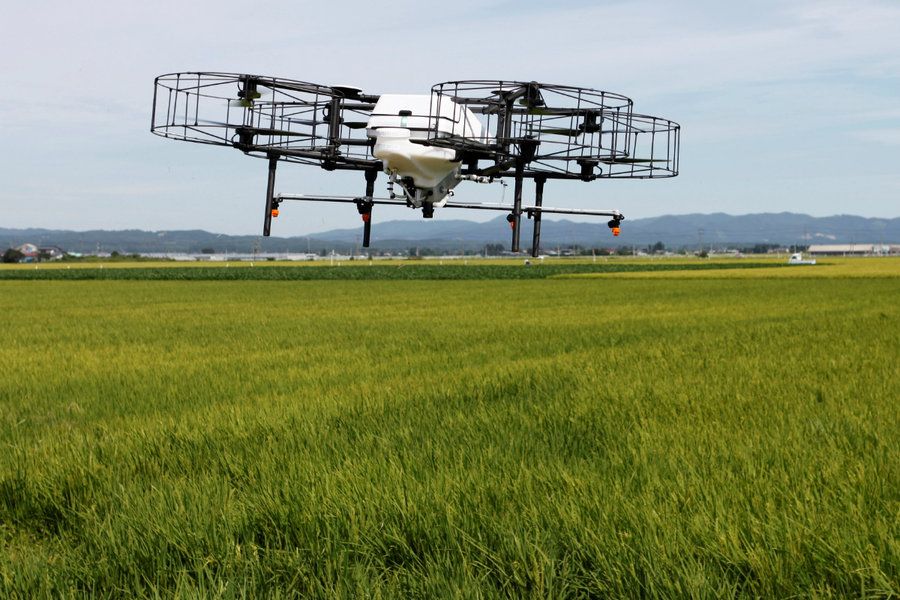
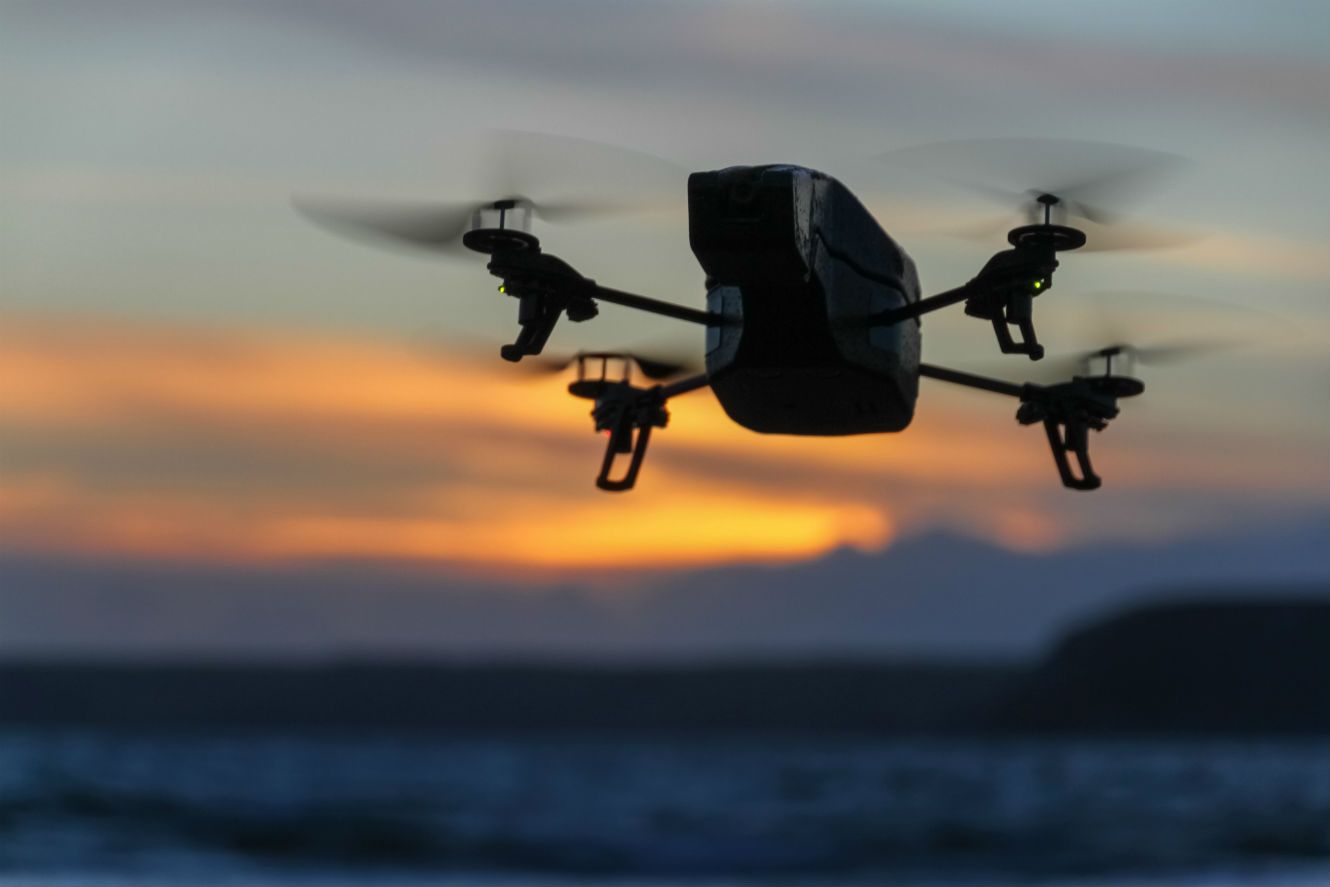
Tactical Robotics’ Cormorant drone design allows it to navigate tight areas where a helicopter’s blades would get caught on the environment. The remote-controlled military drone can transport two injured people from a battle zone. The Israeli-based company believes the drone could one day also be used to inspect bridges, deliver medical supplies and spray crops.
Category: drones – Page 136
Kroger will use autonomous vehicles to deliver groceries this fall
Gradually automating the entire grocery store process. From initial delivery of products to the store/warehouse. To a store that will be optional to go to, but if you do want to go into the store it will be almost fully automated, to delivery drones and self driving vehicles that will bring you your order in under an hour. That is what Amazon is really up to.
Self-driving delivery startup Nuro scores major deal with Kroger.
MyDefence Launches PITBULL – Wearable Counter UAS Jammer
MyDefence is launching PITBULL – a next generation wearable Counter UAS solution utilizing smart jamming to defeat enemy drones. PITBULL is developed to have minimal impact on other signals while jamming, in an effort to maintain own communication. The Counter UAS jammer weighs 775 grams and can be worn on the uniform.
Chip upgrade helps miniature drones navigate
Researchers at MIT, who last year designed a tiny computer chip tailored to help honeybee-sized drones navigate, have now shrunk their chip design even further, in both size and power consumption.
The team, co-led by Vivienne Sze, associate professor in MIT’s Department of Electrical Engineering and Computer Science (EECS), and Sertac Karaman, the Class of 1948 Career Development Associate Professor of Aeronautics and Astronautics, built a fully customized chip from the ground up, with a focus on reducing power consumption and size while also increasing processing speed.
The new computer chip, named “Navion,” which they are presenting this week at the Symposia on VLSI Technology and Circuits, is just 20 square millimeters—about the size of a LEGO minifigure’s footprint—and consumes just 24 milliwatts of power, or about one-thousandth the energy required to power a lightbulb.
Meet PowerDolphin the UNDERWATER drone!
You can now explore the ocean while sipping a pina colada on the beach!
Courtesy: PowerVision Europe
‘Stealth sheet’ hides hot objects from prying infrared eyes
Infrared cameras are the heat-sensing eyes that help drones find their targets, even in the dead of night or through heavy fog.
Hiding from such detectors could become much easier, thanks to a new cloaking material that renders objects—and people—practically invisible.
“What we have shown is an ultrathin stealth ‘sheet.’ Right now, what people have is much heavier metal armor or thermal blankets,” says Hongrui Jiang, the Lynn H. Matthias Professor and Vilas Distinguished Achievement Professor of electrical and computer engineering at the University of Wisconsin-Madison.
Aevum’s New Rocket-Drone Airplane Duo Could Launch Satellites Every 3 Hours
A space launch every 3 hours may soon be possible using rockets carried on a fully autonomous unmanned airplane, a new startup company suggests.
Alabama-based startup Aevum aims to per mission, using an air-launch system called Ravn.
“Ravn is designed to launch every 180 minutes,” Jay Skylus, Aevum’s CEO and chief launch architect, told Space.com. “Other launch vehicles fly only a handful of times a year with an average of 18 months of lead time.” [Rocket Launches: The Latest Liftoffs, Photos & Videos].