The EU is funding the development of AI-powered drones that would autonomously patrol Europe’s borders. The project’s potential for military use can’t be ignored.
Read more

M.A.D.
The Poseidon drone can travel a full kilometer beneath water level, making it difficult to detect and stop once its deployed. And that level of stealth — especially when it’s tipped with a deadly nuclear bomb — has other nations concerned.
“It is worrying that countries are developing new nuclear capabilities,” Ine Eriksen Søreide, Foreign Minister of Norway, told The Barents Observer.
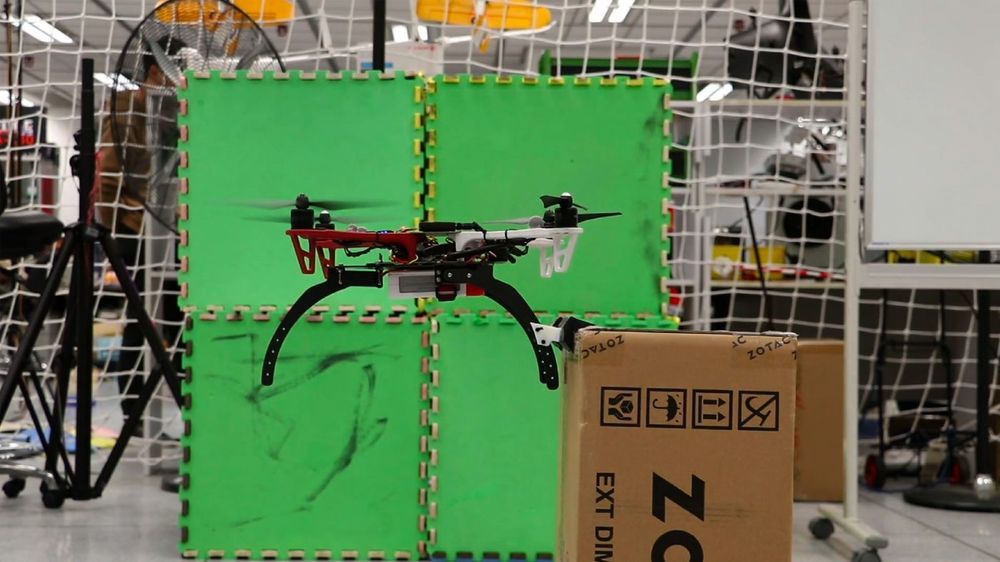

Drones might be a favorite toy among adults with significant disposable income, but they’ve also proven to be incredibly useful as tools, and sometimes life-saving ones at that. The latest example of this growing trend comes to us from the University of Maryland Medical Center, where a medical drone delivered a kidney that was subsequently successfully transplanted into a patient.
The delivery, which was documented in a brief YouTube video published by UMMC, is just a small first step in a larger effort to enhance the delivery systems used for vital items like organs and other medical materials.
The drone delivery of a kidney recently used for an organ transplant in Baltimore is being characterized by the University of Maryland as a “pioneering breakthrough” advancement in human medicine and aviation technology.
“It’s huge. We knew from the very first time that we met with Dr. (Joseph) Scalea, and he suggested the idea of what he wanted to do — we knew it would be earth-shattering and life-changing, and it really has become that,” Matthew Scassero, director of the Unmanned Aircraft Systems Test Site at the University of Maryland, told WTOP.
The unmanned aircraft system’s flight on April 19 through the city of Baltimore occurred at about 12:30 a.m. and was less than 3 miles, but represents a huge first step.
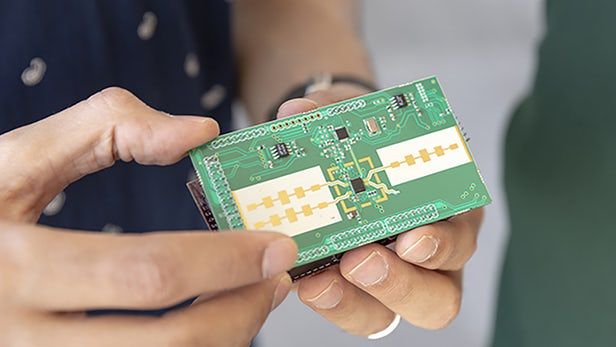
The smaller and lighter electronics get, the more ways they can be used. A team of researchers has come up with a compact radar system the size of a matchbox that could be deployed in drones, guidance systems for people with vision problems, and other gadgets where portability and low cost are important.
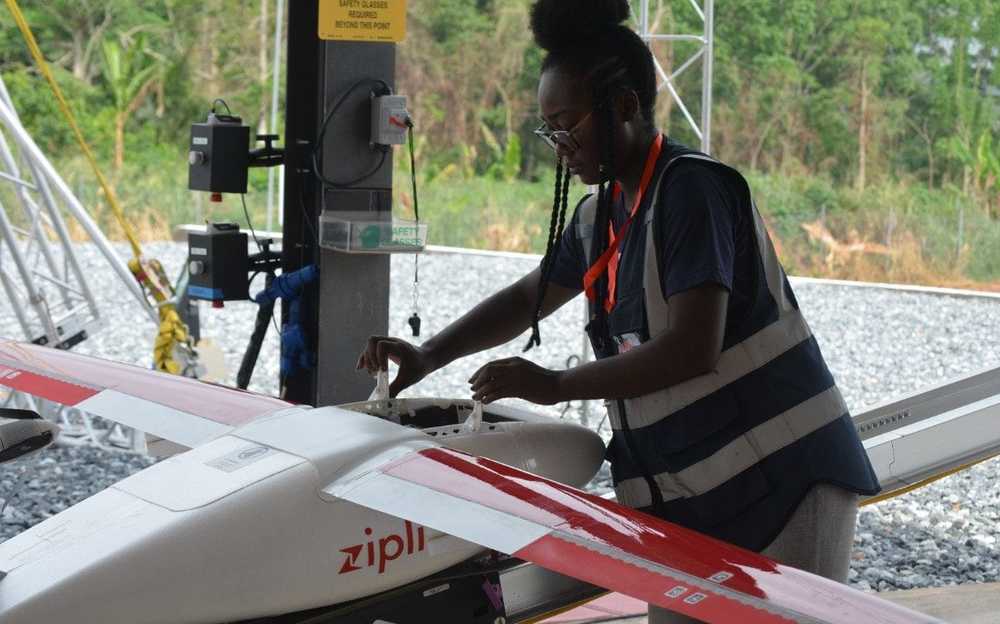
The largest drone delivery network in the world has been launched in Ghana, which experts say will save lives and transform the developing nation’s healthcare sector.
The drone network is set to deliver blood, essential medicines and vaccinations across the middle-income, West African country.
Speaking about the official launch of the service on April 24, Ghana’s President Nana Addo Dankwa Akufo-Addo said it was part of a drive to ensure universal access to lifesaving medicine in Ghana.
