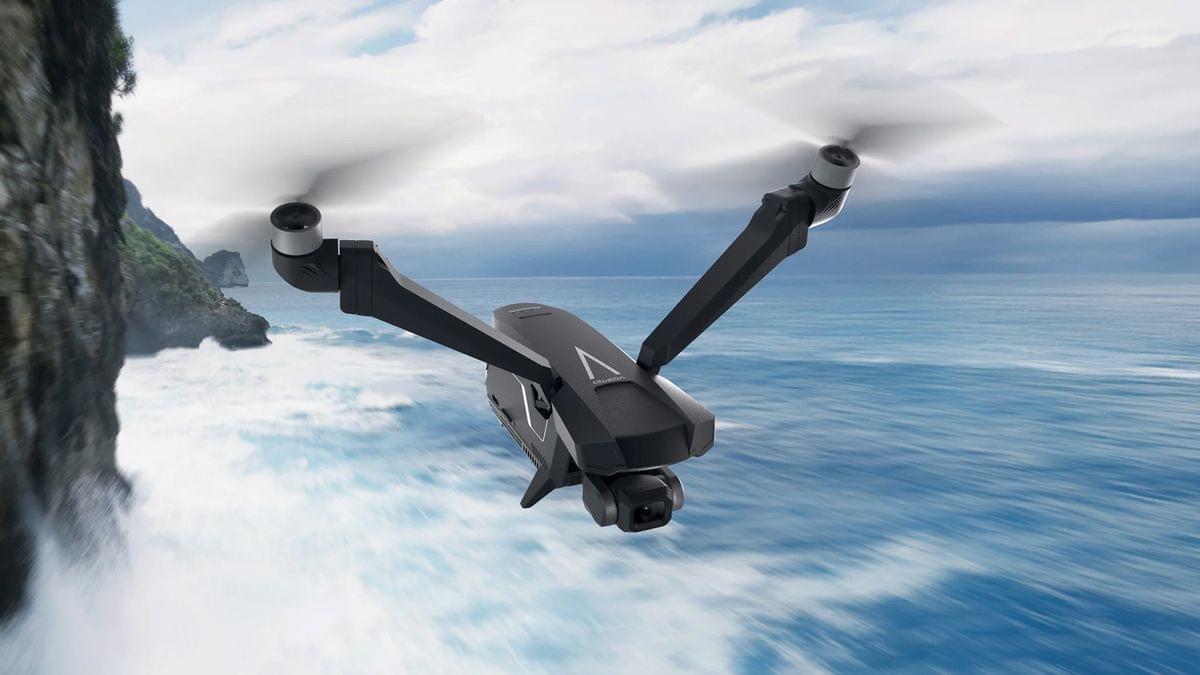
Forget DJI drones – the Falcon Mini looks like way more fun to fly.
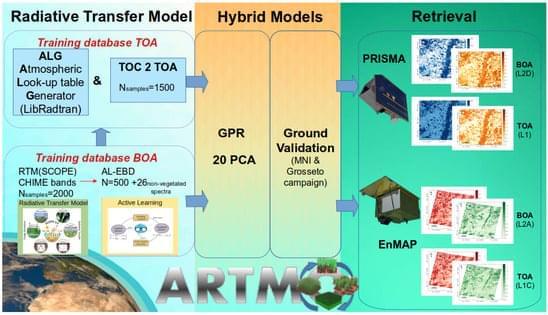
Satellite-based optical remote sensing from missions such as ESA’s Sentinel-2 (S2) have emerged as valuable tools for continuously monitoring the Earth’s surface, thus making them particularly useful for quantifying key cropland traits in the context of sustainable agriculture [1]. Upcoming operational imaging spectroscopy satellite missions will have an improved capability to routinely acquire spectral data over vast cultivated regions, thereby providing an entire suite of products for agricultural system management [2]. The Copernicus Hyperspectral Imaging Mission for the Environment (CHIME) [3] will complement the multispectral Copernicus S2 mission, thus providing enhanced services for sustainable agriculture [4, 5]. To use satellite spectral data for quantifying vegetation traits, it is crucial to mitigate the absorption and scattering effects caused by molecules and aerosols in the atmosphere from the measured satellite data. This data processing step, known as atmospheric correction, converts top-of-atmosphere (TOA) radiance data into bottom-of-atmosphere (BOA) reflectance, and it is one of the most challenging satellite data processing steps e.g., [6, 7, 8]. Atmospheric correction relies on the inversion of an atmospheric radiative transfer model (RTM) leading to the obtaining of surface reflectance, typically through the interpolation of large precomputed lookup tables (LUTs) [9, 10]. The LUT interpolation errors, the intrinsic uncertainties from the atmospheric RTMs, and the ill posedness of the inversion of atmospheric characteristics generate uncertainties in atmospheric correction [11]. Also, usually topographic, adjacency, and bidirectional surface reflectance corrections are applied sequentially in processing chains, which can potentially accumulate errors in the BOA reflectance data [6]. Thus, despite its importance, the inversion of surface reflectance data unavoidably introduces uncertainties that can affect downstream analyses and impact the accuracy and reliability of subsequent products and algorithms, such as vegetation trait retrieval [12]. To put it another way, owing to the critical role of atmospheric correction in remote sensing, the accuracy of vegetation trait retrievals is prone to uncertainty when atmospheric correction is not properly performed [13].
Although advanced atmospheric correction schemes became an integral part of the operational processing of satellite missions e.g., [9,14,15], standardised exhaustive atmospheric correction schemes in drone, airborne, or scientific satellite missions remain less prevalent e.g., [16,17]. The complexity of atmospheric correction further increases when moving from multispectral to hyperspectral data, where rigorous atmospheric correction needs to be applied to hundreds of narrow contiguous spectral bands e.g., [6,8,18]. For this reason, and to bypass these challenges, several studies have instead proposed to infer vegetation traits directly from radiance data at the top of the atmosphere [12,19,20,21,22,23,24,25,26].
DARPA lifts the veil on concealed bio-weapons and astonishing drone technology 🤖🦾 To try everything Brilliant has to offer—free—for a full 30 days, visit http://brilliant.org/BeeyondIdeas/ The first 200 of you will get 20% off Brilliant’s annual premium subscription. 🪐
Beeyond Ideas follows the viewpoint of Harry, a human-AI synthesis from the 22nd century. Someday in 2123, he found a way to access the secret old database of information or the “2023 Internet” as we know it.
Follow Harry’s adventure by subscribing to this channel Want to support our production? Feel free to join our membership at https://youtube.com/watch?v=wMeOlJjEvSc&si=YQODBYXZ1-dq4Leh #AI #Robotics #ArtificialIntelligence #darpa.
Want to support our production? Feel free to join our membership at https://youtube.com/watch?v=wMeOlJjEvSc&si=YQODBYXZ1-dq4Leh.
#AI #Robotics #ArtificialIntelligence #darpa
Transparent aluminum oxide (TAlOx), a real material despite its sci-fi name, is incredibly hard and resistant to scratches, making it perfect for protective coatings on electronics, optical sensors, and solar panels. On the sci-fi show Star Trek, it is even used for starship windows and spacefaring aquariums.
Current methods of making TAlOx are expensive and complicated, requiring high-powered lasers, vacuum chambers, or large vats of dangerous acids. That may change thanks to research co-authored by Filipino scientists from the Ateneo de Manila University.
Instead of immersing entire sheets of metal into acidic solutions, the researchers applied microdroplets of acidic solution onto small aluminum surfaces and applied an electric current. Just two volts of electricity—barely more than what’s found in a single AA household flashlight battery—was all that was needed to transform the metal into glass-like TAlOx.
In this video, we delve into The Future of Electronic Warfare, exploring how advancements in AI, drone swarms, and cyber integration are reshaping military strategies. Historically, electronic warfare (EW) began with basic communication interception in World War I and evolved through World War II with techniques like radar jamming. Today, we stand at the brink of a new era where technology significantly enhances operational capabilities.
The Evolution of Drone Swarms.
Recent developments have seen the emergence of AI-powered drone swarms, which offer unprecedented adaptability and efficiency on the battlefield. For instance, Thales’s COHESION demonstrator showcases how these swarms can operate autonomously, reducing the cognitive load on human operators while maintaining control during critical mission phases. Unlike traditional systems that require one operator per drone, these advanced systems leverage AI to allow multiple drones to work collaboratively, enhancing surveillance and attack capabilities across vast terrains.
Key features of ai-powered drone swarms.
Wide-Area Surveillance: Swarms can cover extensive areas, providing comprehensive monitoring and real-time situational awareness, ensuring no part of the terrain goes unmonitored.
Decentralized Coordination: Each drone operates autonomously while contributing to a collective intelligence network, allowing for effective mission execution even if individual drones are lost.
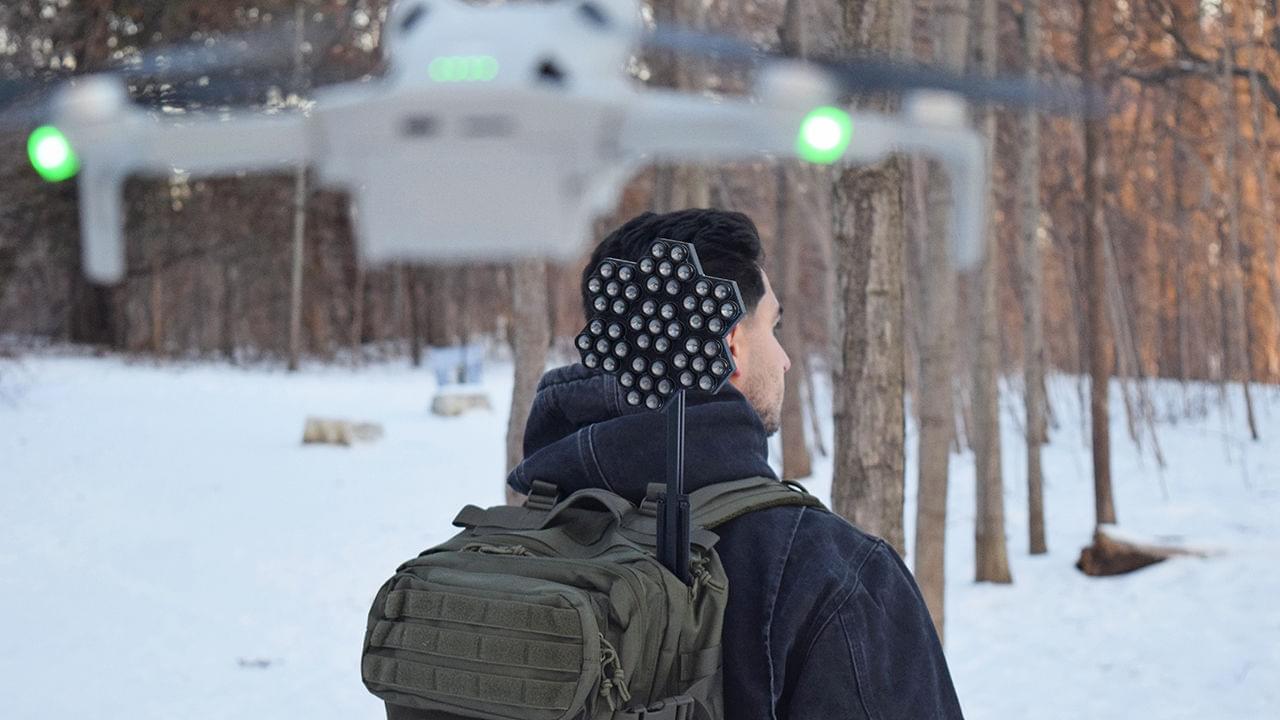
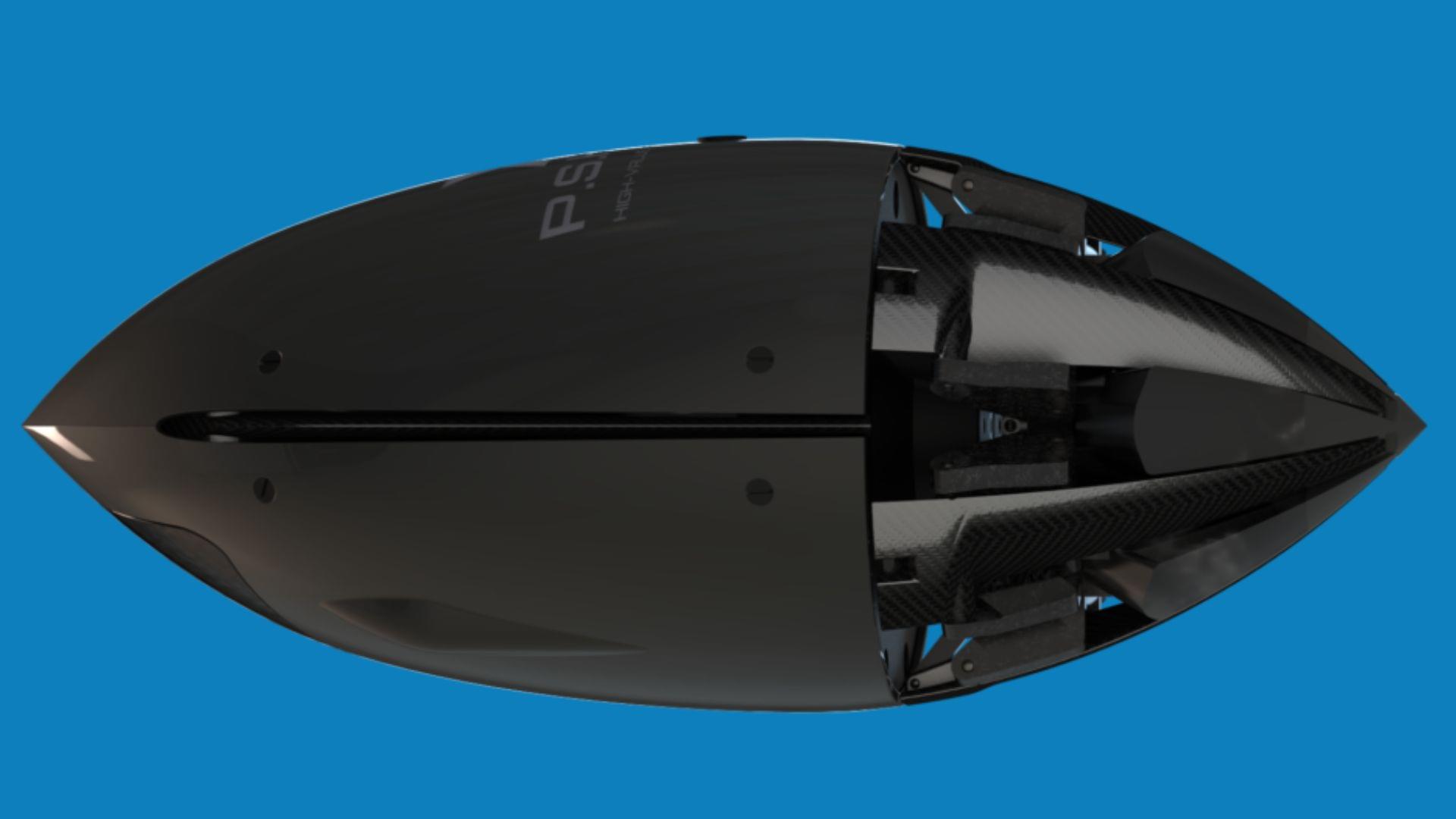
The company also says that it can prove to be equally useful in the open seas, where it can help in ISR, search and rescue, and other missions.
“Imagine, I can upload the mission in a second, throw it from here, forget about it, and it will strike a high-value target (HVT) 40 miles away – fast, accurate, and quiet,” said Alexander Balan, XDown founder, in a post on LinkedIn.
XDown estimates that the cost of the PSK will be fairly competitive, making it a lucrative offering for the US armed forces. The price and its formal launch date is yet to be announced.
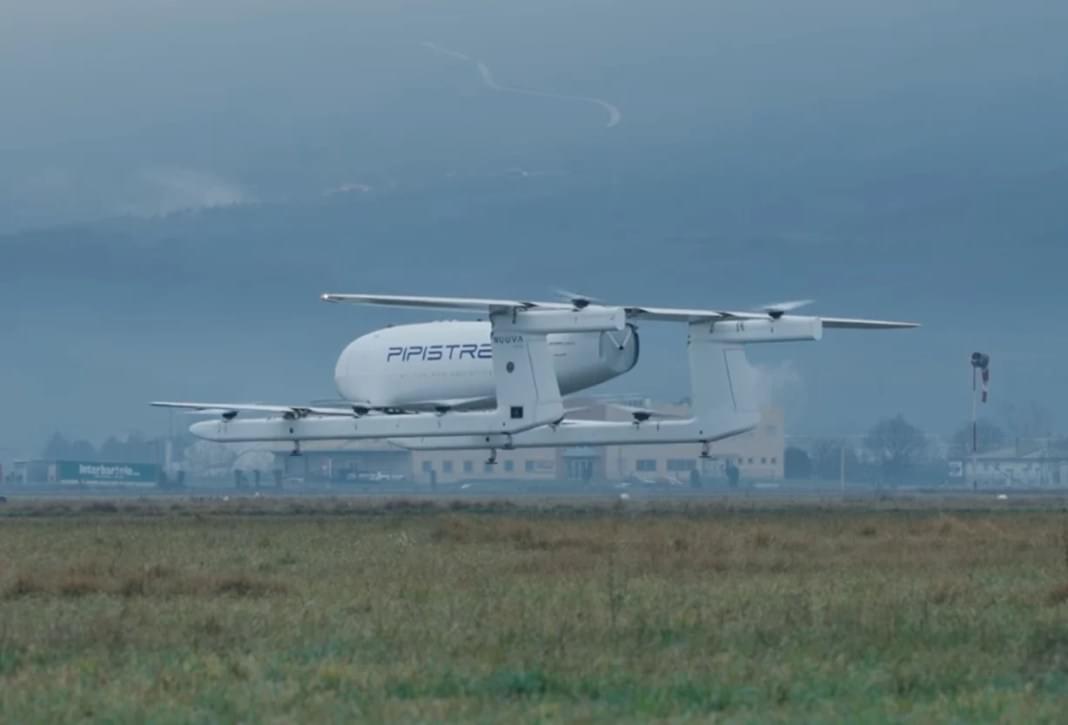
Pipistrel Aircraft has announced the successful completion of the first hover flight for its Nuuva V300, a hybrid-electric vertical takeoff and landing (VTOL) unmanned aircraft designed for long-range logistics and specialized defense operations.
The milestone brings the company closer to deploying its autonomous cargo drone, which promises to revolutionize aerial deliveries with a 600-pound payload capacity and a 300-nautical-mile range.
The Nuuva V300 represents a leap forward in hybrid-electric propulsion, combining eight battery-powered electric motors for vertical takeoff with an internal combustion engine for forward flight. This dual-power system enhances fuel efficiency, minimizes maintenance costs, and provides greater operational flexibility. The aircraft’s design allows it to carry up to three Euro pallets (EPAL) through a nose-loading fuselage, offering a streamlined solution for cargo logistics, humanitarian aid, and defense applications.
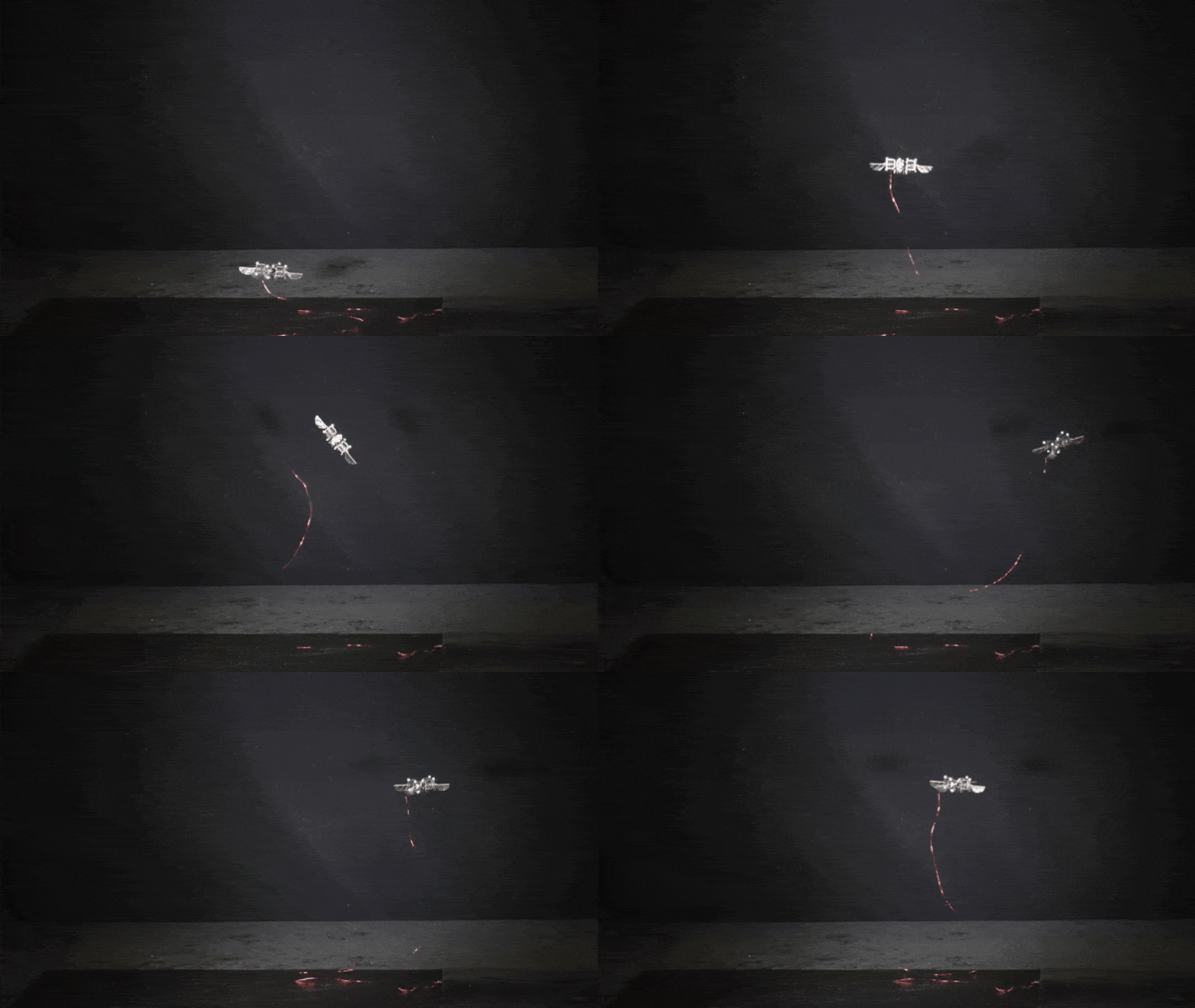
Engineers have developed SUPER, a high-speed MAV, using 3D LiDAR and AI for real-time obstacle avoidance, cutting failure rates 35.9 times.