Toggle light / dark theme

Lactate activates multiple genes that modulate neuronal activity

“We found that lactate stimulates synaptic activity-dependent genes in the short-term and genes involved in regulating neuronal excitability in the long-term,” explains the first author of the paper Michael Margineanu, a KAUST Master’s student.


Study illustrates the links between brain energy metabolism and neuronal activity.

A genome-wide study led by Dean Pierre Magistretti sheds light on the mechanisms through which lactate regulates long-term memory formation and neuroprotection.

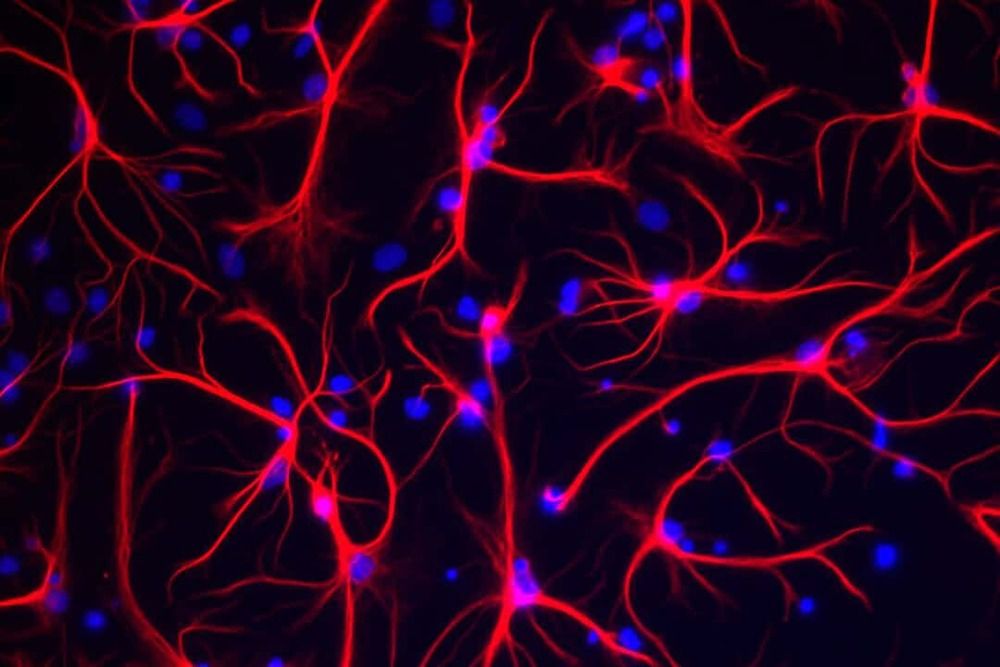
The breakdown of sugar in non-neuronal brain cells, called astrocytes, produces lactate, which gets shuttled to neurons as a source of energy. This lactate not only supports the energy demands of neurons, but also rapidly and transiently activates multiple genes that modulate neuronal activity and regulate brain function.

Spinal cord is ‘smarter’ than previously thought

Turns out it is smarter than we think.

It is well known that the circuits in this part of our nervous system, which travel down the length of our spine, control seemingly simple things like the pain reflex in humans, and some motor control functions in animals.

Now, new research from Western University has shown that the spinal cord is also able to process and control more complex functions, like the positioning of your hand in external space.

“This research has shown that a least one important function is being done at the level of the spinal cord and it opens up a whole new area of investigation to say, ‘what else is done at the spinal level and what else have we potentially missed in this domain?’” said the study’s senior and supervising researcher Andrew Pruszynski, PhD, assistant professor at Western’s Schulich School of Medicine & Dentistry and Canada Research Chair in Sensorimotor Neuroscience.

Removing Senescent Cells Improves Heart Health

Researchers at Newcastle University have shown that clearing out senescent cardiac muscle cells from the hearts of aged mice restores heart health.

It seems that not a month goes by without a new study showing that senolytics, drugs that remove aged and damaged cells from the body, improve organ or tissue function by reversing some aspects of aging. A new study has shown that removing senescent cells from the hearts of old mice restores heart health and alleviates the detrimental effects of cardiac aging, including myocardial hypertrophy and fibrosis.

/* */