Category: biotech/medical – Page 2,680


New Biomaterial Developed That Could Be a Treatment for Spinal Cord Injuries
Polymerized estrogen shown to protect nervous system cells. Research could enable improved treatment of spinal cord injuries.
Spinal cord damage that causes paralysis and reduced mobility doesn’t always stop with the initial trauma, but there are few treatment options to halt increased deterioration — and there is no cure. Researchers at Rensselaer Polytechnic Institute have developed a promising new biomaterial that could offer targeted treatment to the damaged spinal cord and tissue, preventing further damage.
In research published today (October 23, 2019) in Nature Communications, an interdisciplinary team from Rensselaer demonstrated how estrogen — a natural hormone produced in the body — can be polymerized into a slow-releasing biomaterial and applied to nervous system cells to protect those cells and even promote regeneration.



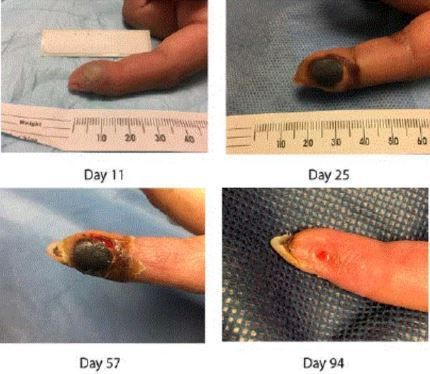
Lab Tech Accidentally Injects Herself with Smallpox-Related Virus
A lab worker in San Diego became infected with a smallpox-related virus, known as the vaccinia virus, after she accidentally stuck her finger with a needle, according to a new report.
The infection caused the tip of the woman’s finger to swell and turn black. Her case is unique because it marks the first time that doctors have used tecovirimat — a recently approved drug for smallpox — to treat a laboratory-acquired infection with vaccinia virus, the report said.
Here’s How 20 Years of Office Work Will Disfigure the Human Body
Emma doesn’t look so great.
Her legs are puffy and covered in varicose veins. Her eyes are flat and dead, and her back looks like she spends her days ringing the bell at Notre-Dame Cathedral.
It’s harsh but true. Emma is a life-sized doll depicting what the average office worker in the United Kingdom could look like in 20 years if changes aren’t made to the workplace environment.
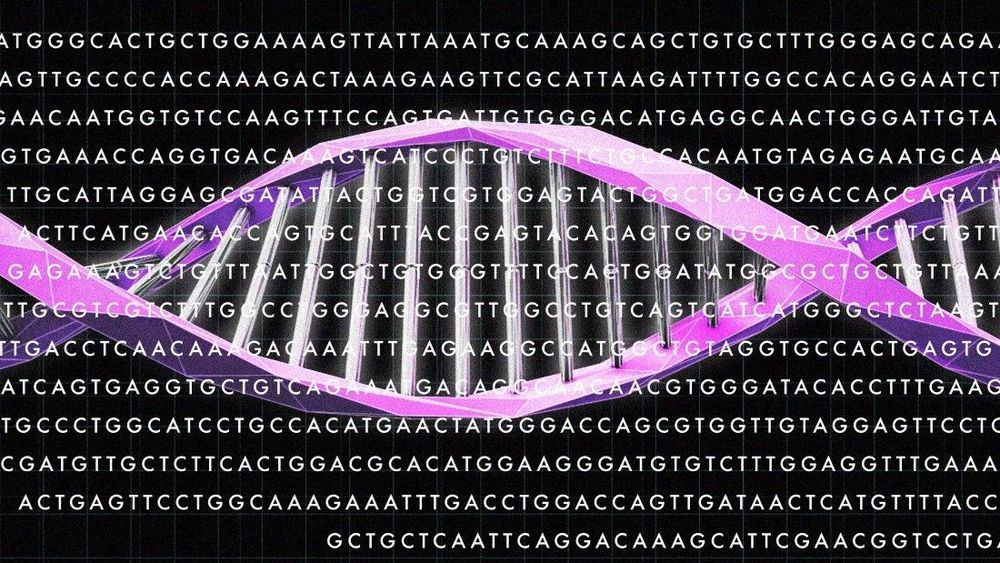
New gene editing technology could correct 89% of genetic defects
Scientists have developed a new gene-editing technology that could potentially correct up to 89% of genetic defects, including those that cause diseases like sickle cell anemia.
The new technique is called “prime editing,” and was developed by researchers from the Broad Institute of MIT and Harvard, who published their findings Monday in the journal Nature.
Prime editing builds on powerful CRISPR gene editing, but is more precise and versatile — it “directly writes new genetic information into a specified DNA site,” according to the paper.