Toggle light / dark theme

Ending Aging Forum 2023

Please attend our Virtual Realilty Ending Aging Forum!

This event will showcase the newest breakthroughs in rejuvenation biotechnologies happening at the SENS Research Foundation’s Research Center in Mountain View, CA, as well as the research funded at extramural labs.

The Forum will be hosted virtually through Meetaverse, a state-of-the-art Virtual Reality platform.


This virtual event is your opportunity to hear first-hand about the latest advances that our in-house researchers are making toward new rejuvenation biotechnologies, along with some of our young scientists-in-training and outside researchers whose research we fund.
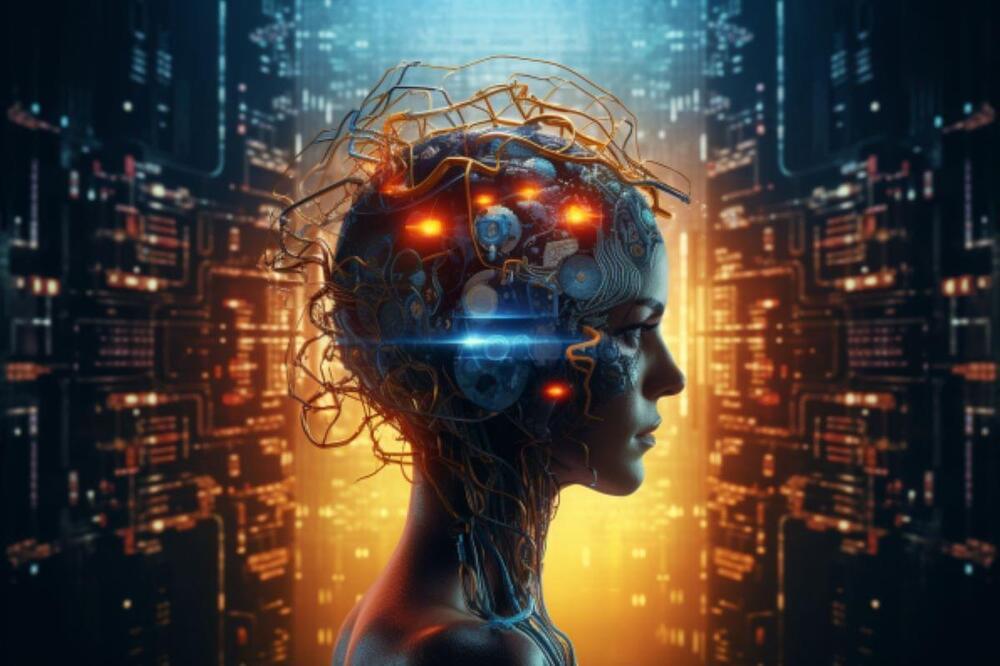

Human Brain Acts Like Super Computer: Advanced Calculations in Human Perception

Summary: Researchers have unearthed how human brains inherently perform calculations akin to high-powered computers through Bayesian inference, enabling precise, swift environmental interpretation. This statistical method melds prior knowledge and new evidence, permitting us to quickly and accurately discern our surroundings.

This study showcases how our brain’s visual system structure is innately designed to execute Bayesian inference on the sensory data it gathers. Such revelations promise breakthroughs in areas spanning from AI’s machine learning to novel therapeutic strategies in clinical neurology.

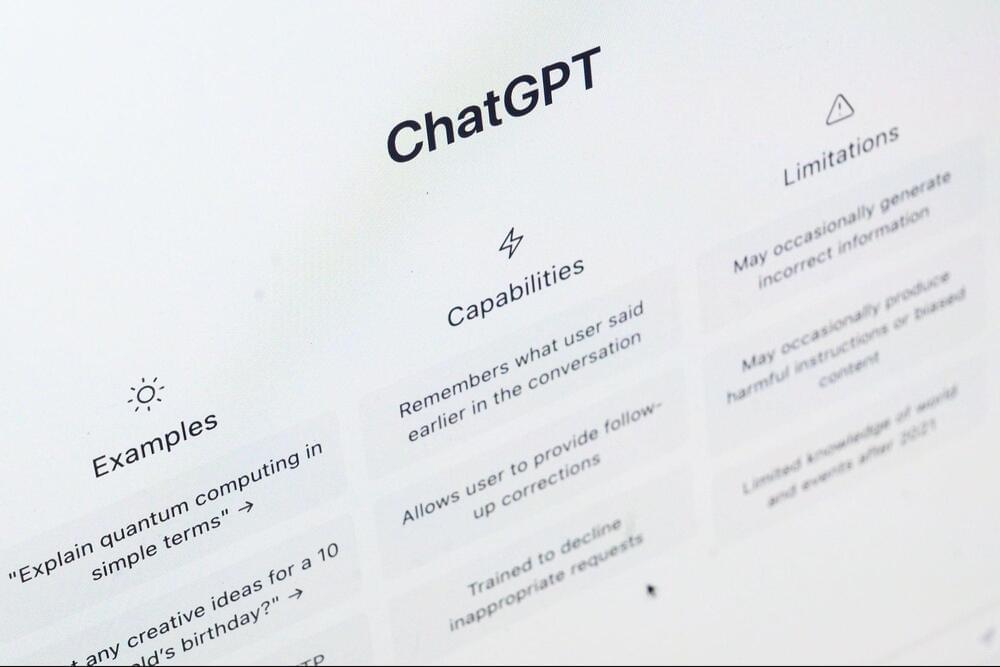
‘We Saw So Many Doctors’: A Mother Says ChatGPT Accurately Diagnosed Her Son’s Medical Condition After 17 Doctors Couldn’t

I hope this isn’t a duplicate but that’s amazing! I dunno if I shared the latest Google cloud security conference? It’s an hour and they’re using advanced AI and even collaborating with Israel I think.


After 17 medical consultations led to dead ends, a mother turned to ChatGPT for help. Then, AI came up with a diagnosis.

Certain proteins in breast milk found to be essential for a baby’s healthy gut

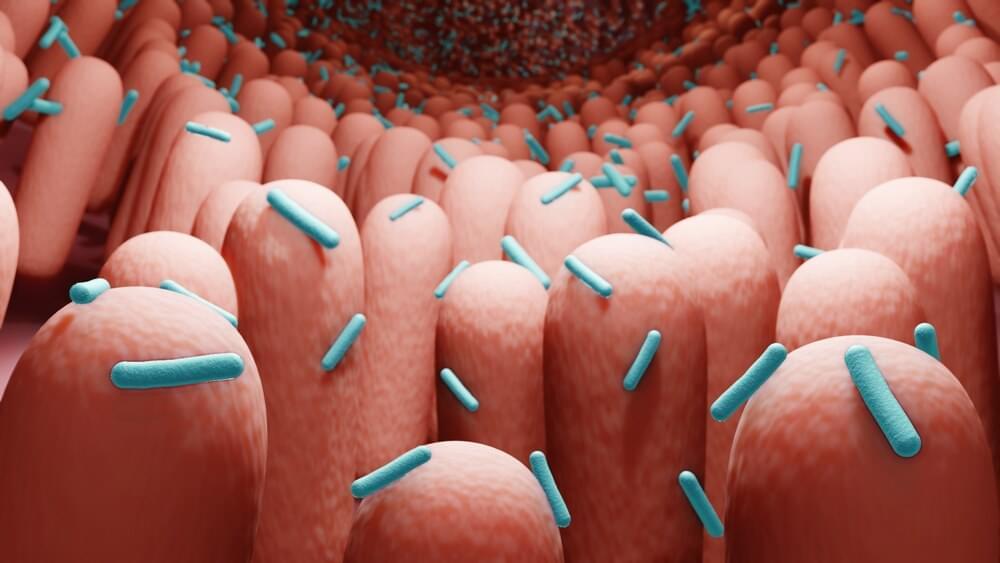
Researchers have shown that high concentrations of key proteins in human breast milk, especially osteopontin and κ-casein, are associated with a greater abundance of two species of bacteria in the gut of babies: Clostridium butyricum and Parabacteroides distasonis, known to be beneficial for human health and used as probiotics. These results suggest that proteins in breast milk influence the abundance of beneficial gut microbes in infants, playing an important role in early immune and metabolic development

More than 320 million years of mammalian evolution has adapted breast milk to meet all the physiological needs of babies: it contains not only nutrients, but also hormones, antimicrobials, digestive enzymes, and growth factors. Furthermore, many of the proteins in breast milk, for example casein and milk fat globule membrane proteins, aren’t just sources of energy and molecular building blocks, but also directly stimulate immunity, at least under preclinical conditions.

Transferring Longevity Adaptations Across Species: Gene from Naked Mole Rat Extends Mouse Lifespan

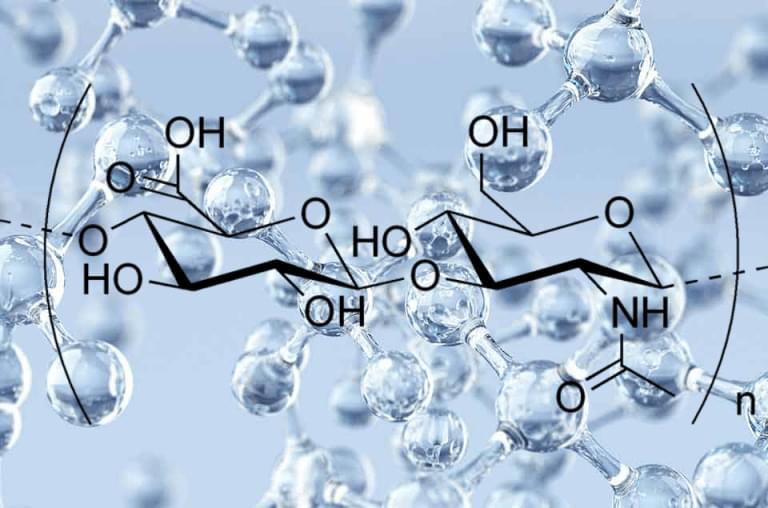
Naked mole rats are rodents that are about the size of a mouse with a key difference, aside from having no fur — they’re extremely long-lived — reaching ages of around 40 years old. For comparison, lab mice live an average of about three and a half years. To explain their extensive lifespans, researchers have sought to pinpoint how naked mole rats evade the onset of age-related diseases like cancer. In doing so, they’ve identified a form of gelatinous substance called hyaluronan, which has anti-inflammatory and anticancer properties. Now, the question of whether the benefits of the naked mole rat’s abundant levels of this form of hyaluronan — called high molecular mass hyaluronic acid (HMM-HA) — can be exported to other species has recently drawn attention.

Published in Nature, Gorbunova and colleagues from the University of Rochester show that genetically modifying mice to harbor an enzyme that produces HMM-HA extends their lifespan. The researchers go on to show that increasing HMM-HA reduces the prevalence of cancer. Additionally, the nmrHAS2 gene improves the healthspan of mice by countering physiological dysfunction, as measured with a frailty score. These findings provide the first evidence that genes from long-lived species can be exported to other species, perhaps conferring benefits to humans one day.

Arrays of quantum rods could enhance TVs or virtual reality devices

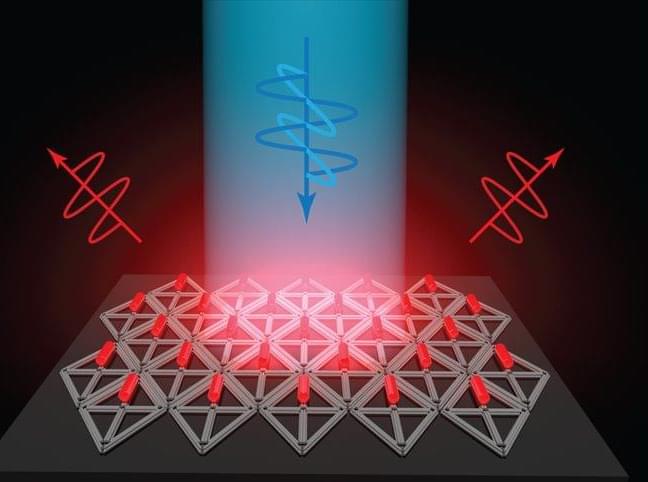
Flat screen TVs that incorporate quantum dots are now commercially available, but it has been more difficult to create arrays of their elongated cousins, quantum rods, for commercial devices. Quantum rods can control both the polarization and color of light, to generate 3D images for virtual reality devices.

Using scaffolds made of folded DNA, MIT engineers have come up with a new way to precisely assemble arrays of quantum rods. By depositing quantum rods onto a DNA scaffold in a highly controlled way, the researchers can regulate their orientation, which is a key factor in determining the polarization of light emitted by the array. This makes it easier to add depth and dimensionality to a virtual scene.

“One of the challenges with quantum rods is: How do you align them all at the nanoscale so they’re all pointing in the same direction?” says Mark Bathe, an MIT professor of biological engineering and the senior author of the new study. “When they’re all pointing in the same direction on a 2D surface, then they all have the same properties of how they interact with light and control its polarization.”

COVID-19 Patient Zero: Data Analysis Identifies the “Mother” of All SARS-CoV-2 Genomes

Year 2020 Hopefully this is getting closer to a full antidote.


Temple researchers have identified the first genome to transmit the coronavirus.

In the field of molecular epidemiology, the worldwide scientific community has been sleuthing to solve the riddle of the early history of SARS-CoV-2.

Severe acute respiratory syndrome coronavirus 2 (SARS-CoV-2) is the official name of the virus strain that causes coronavirus disease (COVID-19). Previous to this name being adopted, it was commonly referred to as the 2019 novel coronavirus (2019-nCoV), the Wuhan coronavirus, or the Wuhan virus.

Customized diets: The future of disease management revealed in gut study

In a recent study published in Nutrients, a group of researchers investigated the interactions between individual diets and the gut microbiome in seven volunteers, leveraging technological advancements and machine learning to inform personalized nutrition strategies and potential therapeutic targets.

Study: Unraveling the Gut Microbiome–Diet Connection: Exploring the Impact of Digital Precision and Personalized Nutrition on Microbiota Composition and Host Physiology. Image Credit: ART-ur/Shutterstock.com.

Fast Facts on Precision Medicine: Research on Myositis, an Inflammatory Disease

About 10% of people living with myositis—a rare inflammatory disease in which the immune system attacks healthy muscle cells—also are at risk for developing cancer. Determining which patients need screening and close follow-up is difficult.

“We screen a lot of people aggressively, and possibly unnecessarily,” says rheumatologist Christopher Mecoli, M.D., M.H.S., director of research operations and physician lead for the Myositis Precision Medicine Center of Excellence. This can lead to potential harms for patients such as radiation exposure, anxiety and false-positive test results that indicate a person has cancer when they actually do not.

/* */