Harvard longevity researcher David Sinclair recently made an astonishing assertion: Scientists had developed the first pill “proven to reverse aging” in dogs.
The University of Chicago Medicine is among the first 30 institutions in the country to offer tumor-infiltrating lymphocyte (TIL) therapy for advanced melanoma, immediately activating as an authorized treatment center after federal regulators approved the treatment on February 16, 2024.
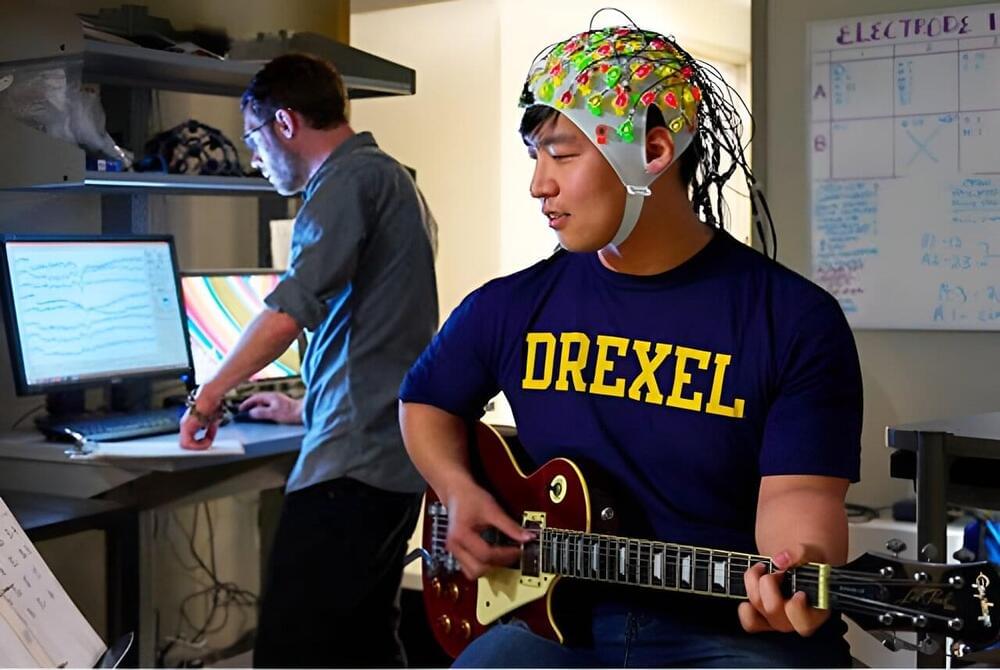
Effortless, enjoyable productivity is a state of consciousness prized and sought after by people in business, the arts, research, education and anyone else who wants to produce a stream of creative ideas and products. That’s the flow, or the sense of being “in the zone.” A new neuroimaging study from Drexel University’s Creativity Research Lab is the first to reveal how the brain gets to the creative flow state.
The study is published in the journal Neuropsychologia.
The study isolated flow-related brain activity during a creative task: jazz improvisation. The findings reveal that the creative flow state involves two key factors: extensive experience, which leads to a network of brain areas specialized for generating the desired type of ideas, plus the release of control— letting go—to allow this network to work with little or no conscious supervision.
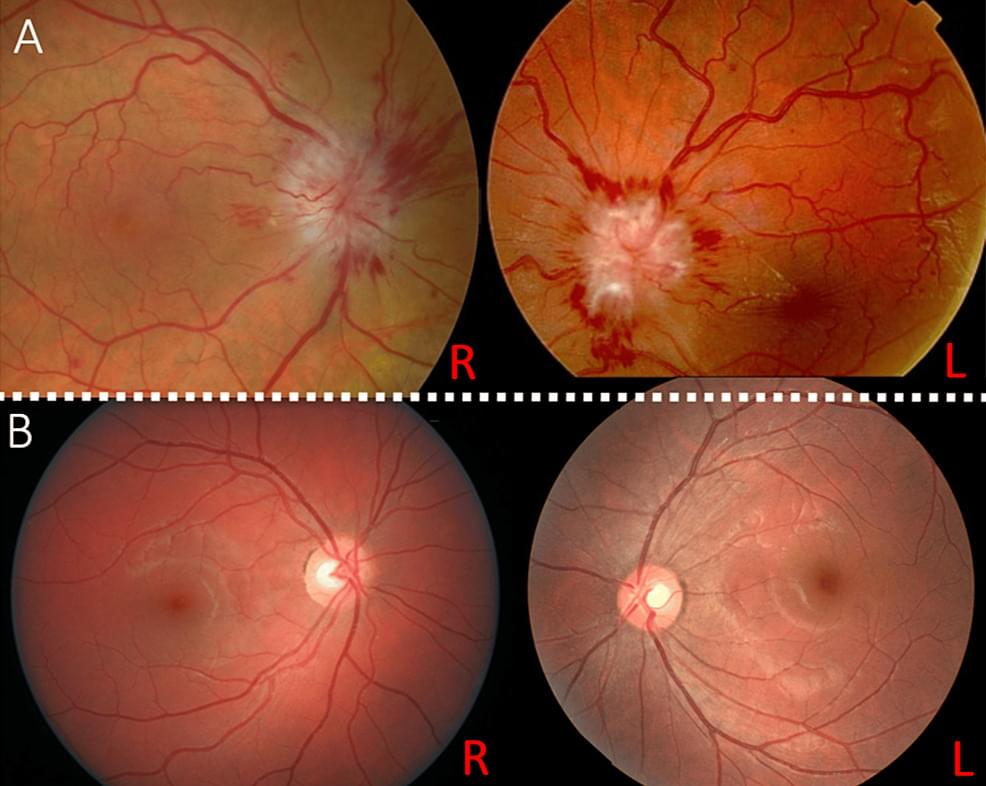
Idiopathic intracranial hypertension (IIH) is a rare condition characterized by increased intracranial pressure, with an unknown cause. However, the pathophysiology of antibiotic-induced IIH remains unclear. The clinical symptoms include headache, visual disturbances, and vomiting. The diagnosis is confirmed by an elevated intracranial pressure (ICP) with normal CSF study and cerebral imaging. Management includes discontinuing the offending antibiotic and reducing ICP with medications such as acetazolamide or diuretics. Therefore, surgical intervention may be necessary in severe cases.
In this article, we report the case of a 19-year-old patient, admitted with symptoms of intracranial hypertension syndrome, occurring three days after receiving antibiotics (gentamicin, penicillin). Physical examination revealed bilateral optic disc edema.

MIT and Dana-Farber Cancer Institute have teamed up to create an AI model that CRACKS the code of mysterious cancer origins! No more guesswork-this model predicts where tumors come from with up to 95% accuracy. For more insight, visit https://www.channelchek.com #Cancer #CancerBreakthrough #AIinMedicine #MedicalScience #BioTech #FutureOfHealthcare #FightCancer #HealthTech #CancerResearch #PrecisionMedicine
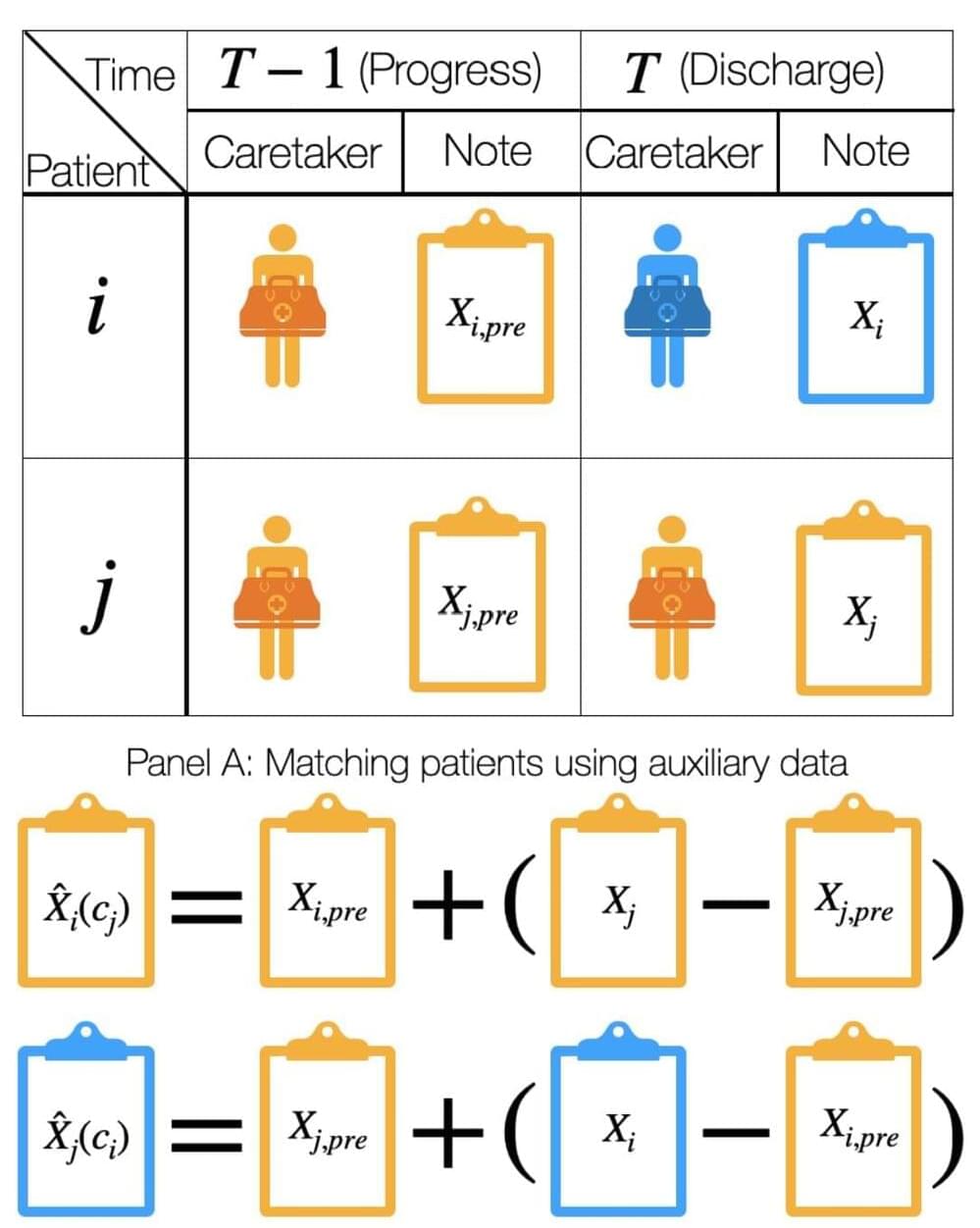
The amount of digital data available is greater than ever before, including in health care, where doctors’ notes are routinely entered into electronic health record systems. Manually reviewing, analyzing, and sorting all these notes requires a vast amount of time and effort, which is exactly why computer scientists have developed artificial intelligence and machine learning techniques to infer medical conditions, demographic traits, and other key information from this written text.
However, safety concerns limit the deployment of such models in practice. One key challenge is that the medical notes used to train and validate these models may differ greatly across hospitals, providers, and time. As a result, models trained at one hospital may not perform reliably when they’re deployed elsewhere.
Previous seminal works by Johns Hopkins University’s Suchi Saria—an associate professor of computer science at the Whiting School of Engineering—and researchers from other top institutions recognize these “dataset shifts” as a major concern in the safety of AI deployment.

Saint Louis University associate professor of health management and policy in the College for Public Health and Social Justice, SangNam Ahn, Ph.D., recently published a paper in Journal of Clinical Psychology that examines the relationship between childhood adversity, and psychiatric decline as well as adult adversity and psychiatric and cognitive decline.
His team discovered that just one instance of adversity in childhood can increase cases of mental illness later in life, and adverse events in adults can lead to a greater chance of both mental illness and cognitive decline later in life.
“Life is very complicated, very dynamic,” Ahn said. “I really wanted to highlight the importance of looking into the lasting health effect of adversity, not only childhood but also adulthood adversity on health outcomes, especially physical health and psychiatric and cognitive health. There have been other studies before, but this is one of the first that looks into these issues comprehensively.”
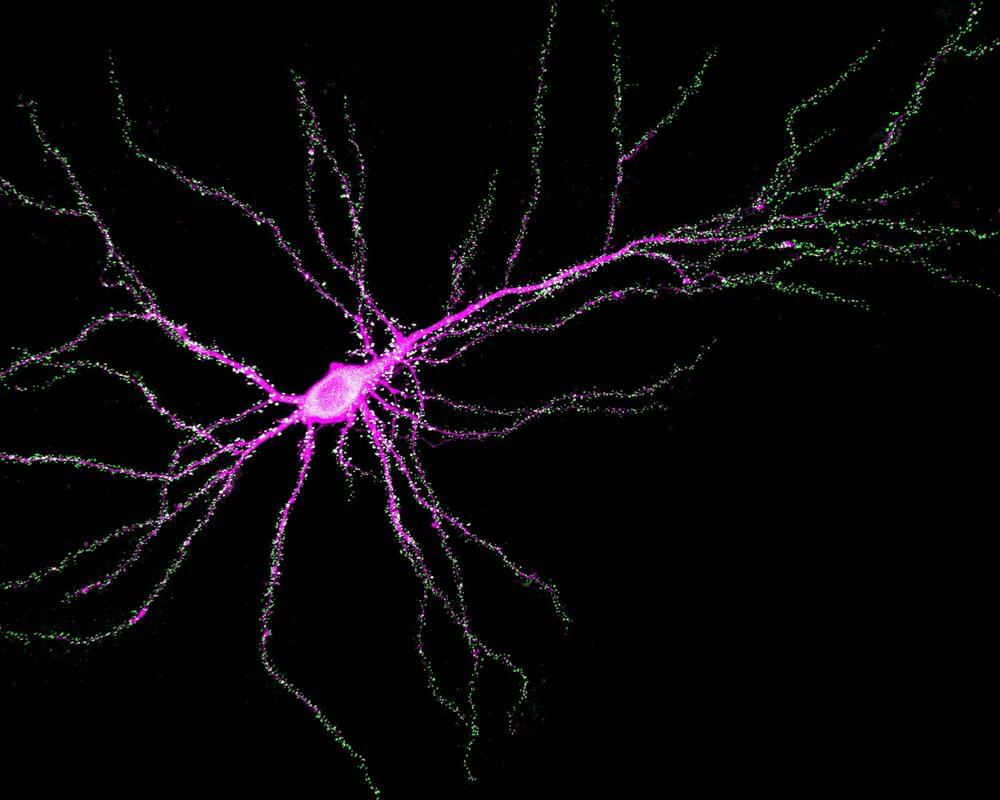
Johns Hopkins Medicine neuroscientists say they have found a new function for the SYNGAP1 gene, a DNA sequence that controls memory and learning in mammals, including mice and humans.
The finding, published in Science, may affect the development of therapies designed for children with SYNGAP1 mutations, who have a range of neurodevelopmental disorders marked by intellectual disability, autistic-like behaviors, and epilepsy.
In general, SYNGAP1, as well as other genes, control learning and memory by making proteins that regulate the strength of synapses—the connections between brain cells.
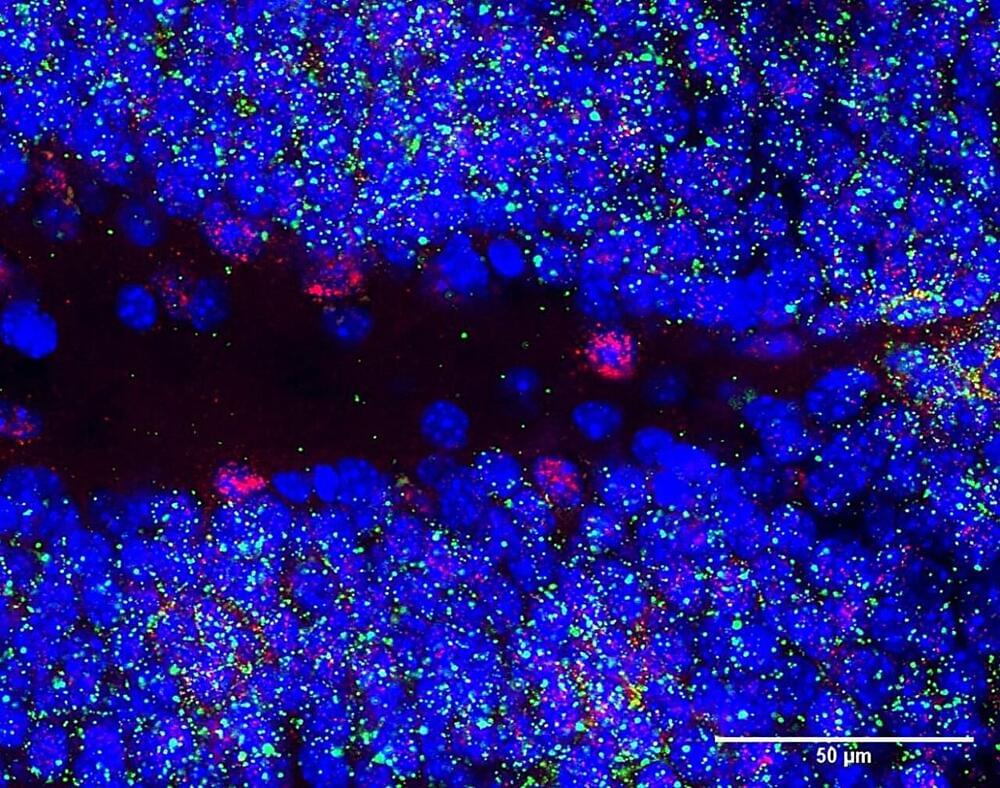
Researchers at the Centre for Genomic Regulation (CRG) have found that the Snhg11 gene is critical for the function and formation of neurons in the hippocampus. Experiments with mice and human tissues revealed that the gene is less active in brains with Down syndrome, potentially contributing to the memory deficits observed in people living with the condition. The findings are published in the journal Molecular Psychiatry.
Traditionally, much of the focus in genomics has been on protein-coding genes, which in humans constitute around just 2% of the entire genome. The rest is “dark matter,” including vast stretches of non-coding DNA sequences that do not produce proteins but are increasingly recognized for their roles in regulating gene activity, influencing genetic stability, and contributing to complex traits and diseases.
Snhg11 is one gene found in the dark matter. It is a long non-coding RNA, a special type of RNA molecule that is transcribed from DNA but does not encode for a protein. Non-coding RNAs are important regulators of normal biological processes, and their abnormal expression has been previously linked to the development of human diseases, such as cancer. The study is the first evidence that a non-coding RNA plays a critical role in the pathogenesis of Down syndrome.
Artificial intelligence is pivotal in advancing biotechnology and medical procedures, ranging from cancer diagnostics to the creation of new antibiotics. However, the ecological footprint of large-scale AI systems is substantial. For instance, training extensive language models like ChatGPT-3 requires several gigawatt-hours of energy—enough to power an average nuclear power plant at full capacity for several hours.
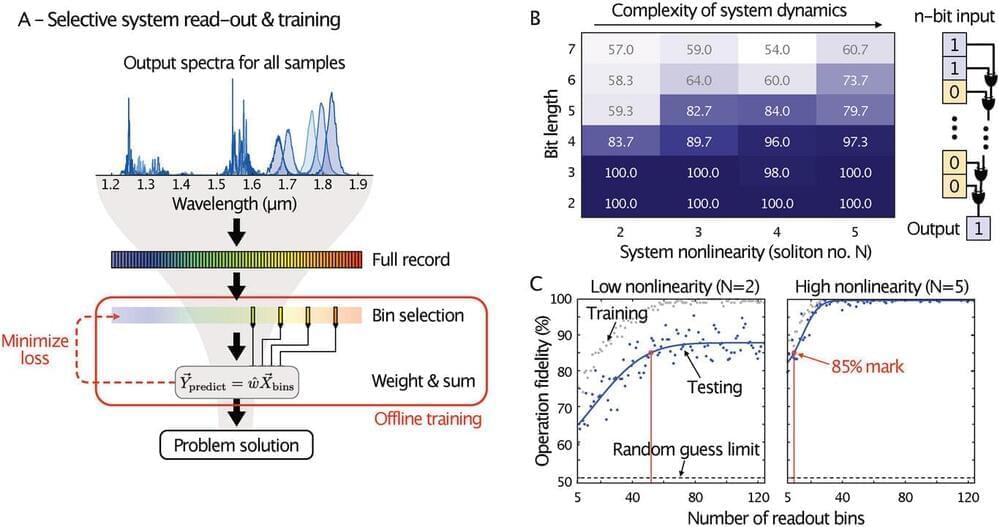
Prof. Mario Chemnitz and Dr. Bennet Fischer from Leibniz IPHT in Jena, in collaboration with their international team, have devised an innovative method to develop potentially energy-efficient computing systems that forego the need for extensive electronic infrastructure.
They harness the unique interactions of light waves within optical fibers to forge an advanced artificial learning system. Unlike traditional systems that rely on computer chips containing thousands of electronic components, their system uses a single optical fiber.