Toggle light / dark theme

Get the latest international news and world events from around the world.

Log in for authorized contributors

CBD found to reverse brain damage in mouse model of Alzheimer’s disease

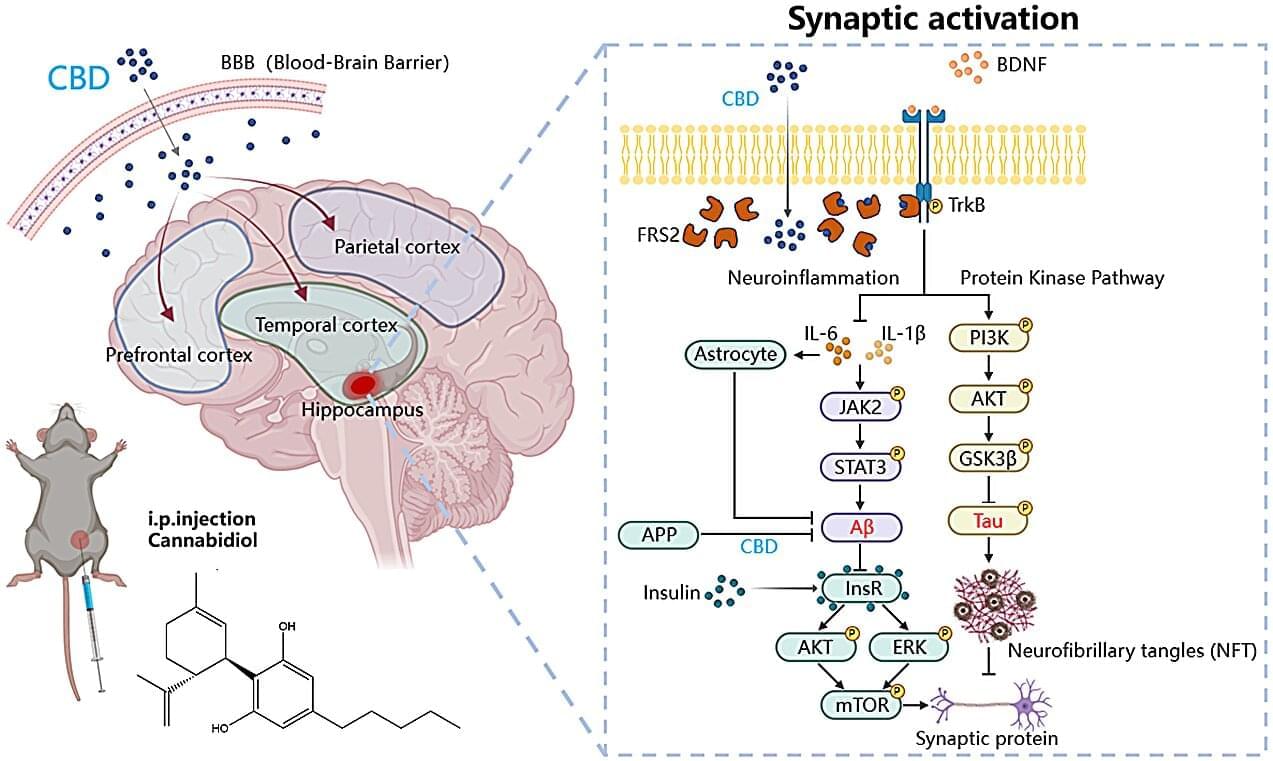
Alzheimer’s disease (AD) is a neurodegenerative disorder characterized by progressive memory loss, cognitive decline, and behavioral changes. The deficits linked to AD are known to result from the abnormal accumulation of proteins, particularly tau and β-amyloid (Aβ) in the brain and between nerve cells, which causes neuroinflammation and can prompt the degradation of brain cells.

The non-psychoactive compound derived from the Cannabis sativa plant, called cannabidiol (CBD), was recently found to show promise for protecting brain cells from damage.

Compared to Δ9-tetrahydrocannabinol (THC), the compound in cannabis that elicits feelings of euphoria and alters a user’s mental state, CBD is safer and could thus be easier to introduce in clinical settings.

Repair condensates and lipid domains in lysosome integrity

Repairing or degrading damaged lysosomes.

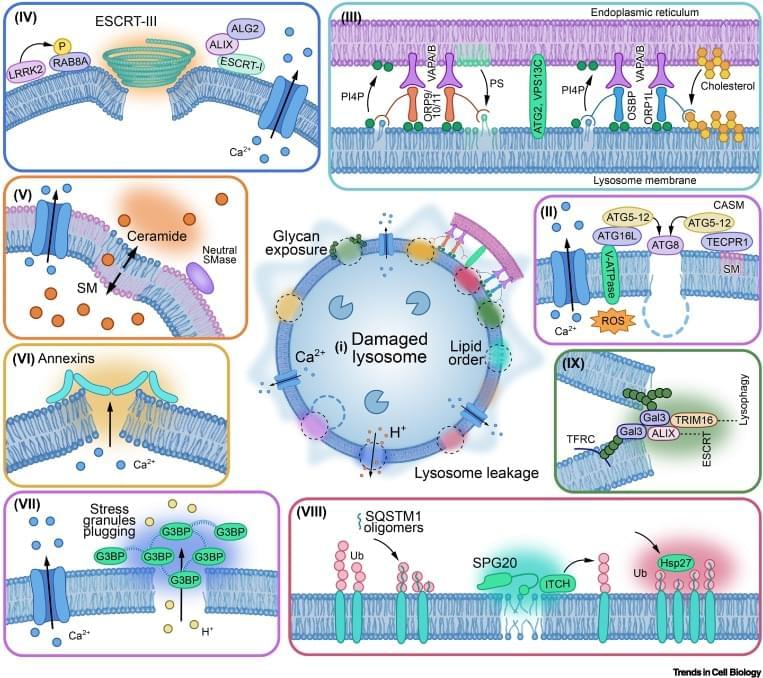
Many key lysosomal repair proteins have an intrinsic propensity to form biomolecular condensates. This points to an emerging paradigm where phase separation, not just individual protein actions, may be a central feature in orchestrating the response to membrane damage.

Recent work has separately highlighted the roles of protein condensates and lipid domains in membrane repair. This raises the intriguing possibility of a mechanistic synergy, where protein and lipid phase separation coregulate each other to mount an integrated response to damage.

A key question is how cells choose between the repair and degradation of a damaged lysosome. The recent discovery of pathways that sense lipid packing defects suggests a new framework, where the biophysical state of the membrane itself helps determine organelle fate. sciencenewshighlights ScienceMission https://sciencemission.com/lysosome-integrity


Lysosomes are sophisticated signaling hubs whose function depends on membrane integrity. A breach of this barrier, known as lysosomal membrane permeabilization, triggers inflammation and cell death, driving pathologies from lysosomal storage disorders to neurodegeneration. Cells counter membrane damage with diverse repair mechanisms, including endosomal sorting complexes required for transport machinery, sphingomyelin scrambling, annexin-mediated scaffolding, lipid transport, and stress granule plugging. This diversity suggests singular strategies are insufficient, posing an ‘orchestration challenge’ regarding precise initiation, spatial organization, and temporal coordination. This opinion article proposes that biomolecular condensation, initiated by damage cues, acts as a primary organizing principle.
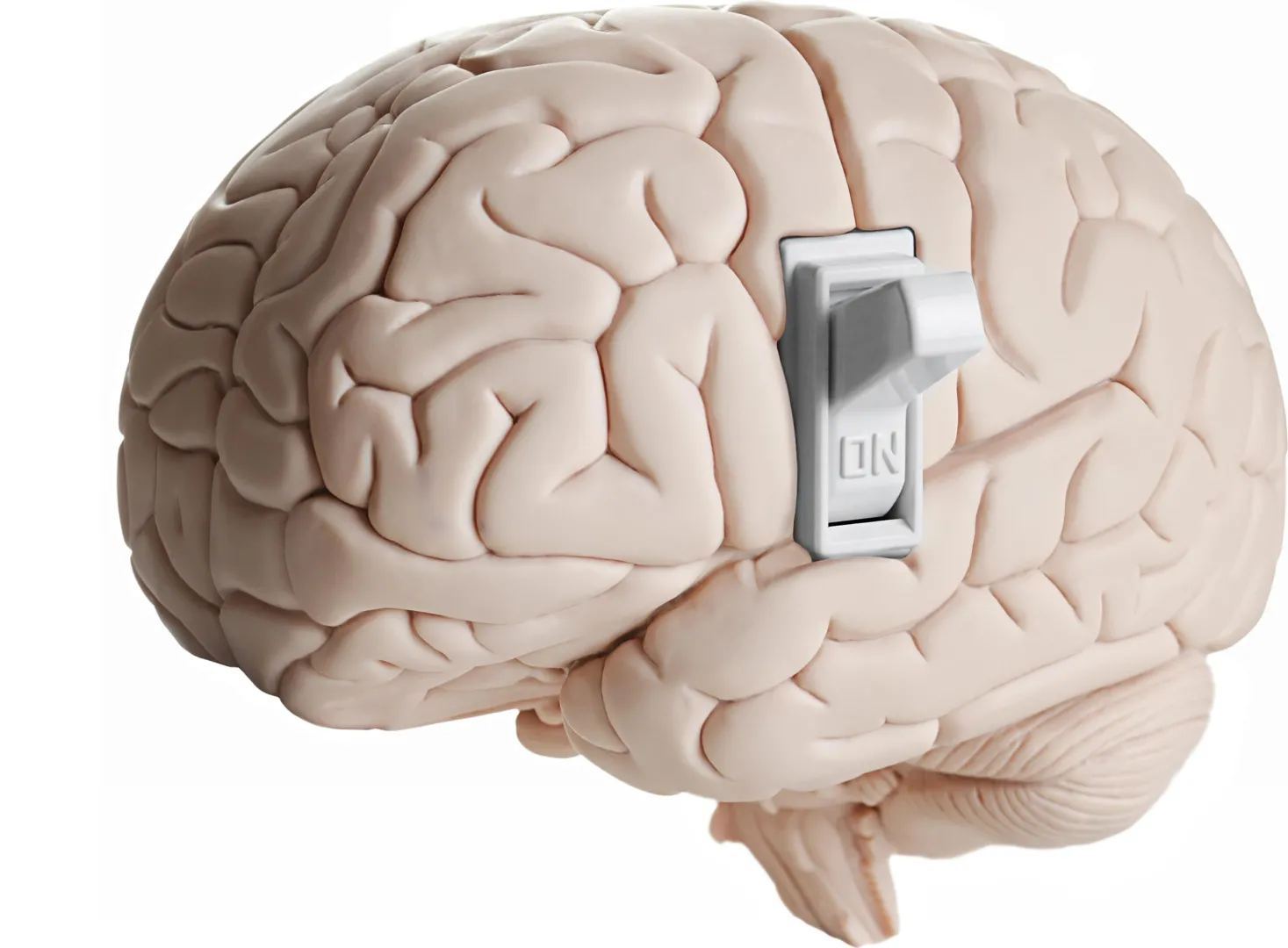
Scientists discover hidden brain switch that tells you to stop eating

Your brain’s “stop eating” signal may come from an unexpected source. Researchers found that astrocytes—once thought to just support neurons—actually play a key role in controlling appetite. After a meal, glucose triggers tanycytes, which send signals to astrocytes that then activate fullness neurons. This newly discovered pathway could lead to innovative treatments for obesity and eating disorders.

Astronomers thought the early universe was full of hydrogen: Now they’ve found it

The Eberly Telescope Dark Energy Experiment (HETDEX) has discovered tens of thousands of gigantic hydrogen gas halos, called “Lyman-alpha nebulae,” surrounding galaxies 10 billion to 12 billion years ago. Known as Cosmic Noon, this is an epoch in the early universe when galaxies were growing their fastest. To spur this growth, they would have needed access to vast reservoirs of hydrogen gas, a key building block for stars. However, until recently, astronomers had only found a handful of these essential structures.

A new study published in The Astrophysical Journal has now increased the known number of hydrogen gas halos by a factor of 10: from roughly 3,000 to over 33,000. This confirms suspicions that they are not rare curiosities. The study also increases the range of known sizes, providing a more representative sample for astronomers to study as they continue to tease out the origin and evolution of the first galaxies.

“We’ve been analyzing the same handful of objects for the past 20 or so years,” said Erin Mentuch Cooper, HETDEX data manager and lead author on the study. “HETDEX is letting us find many more of these halos and measure their shapes and sizes. It has really allowed us to create an amazing statistical catalog.”

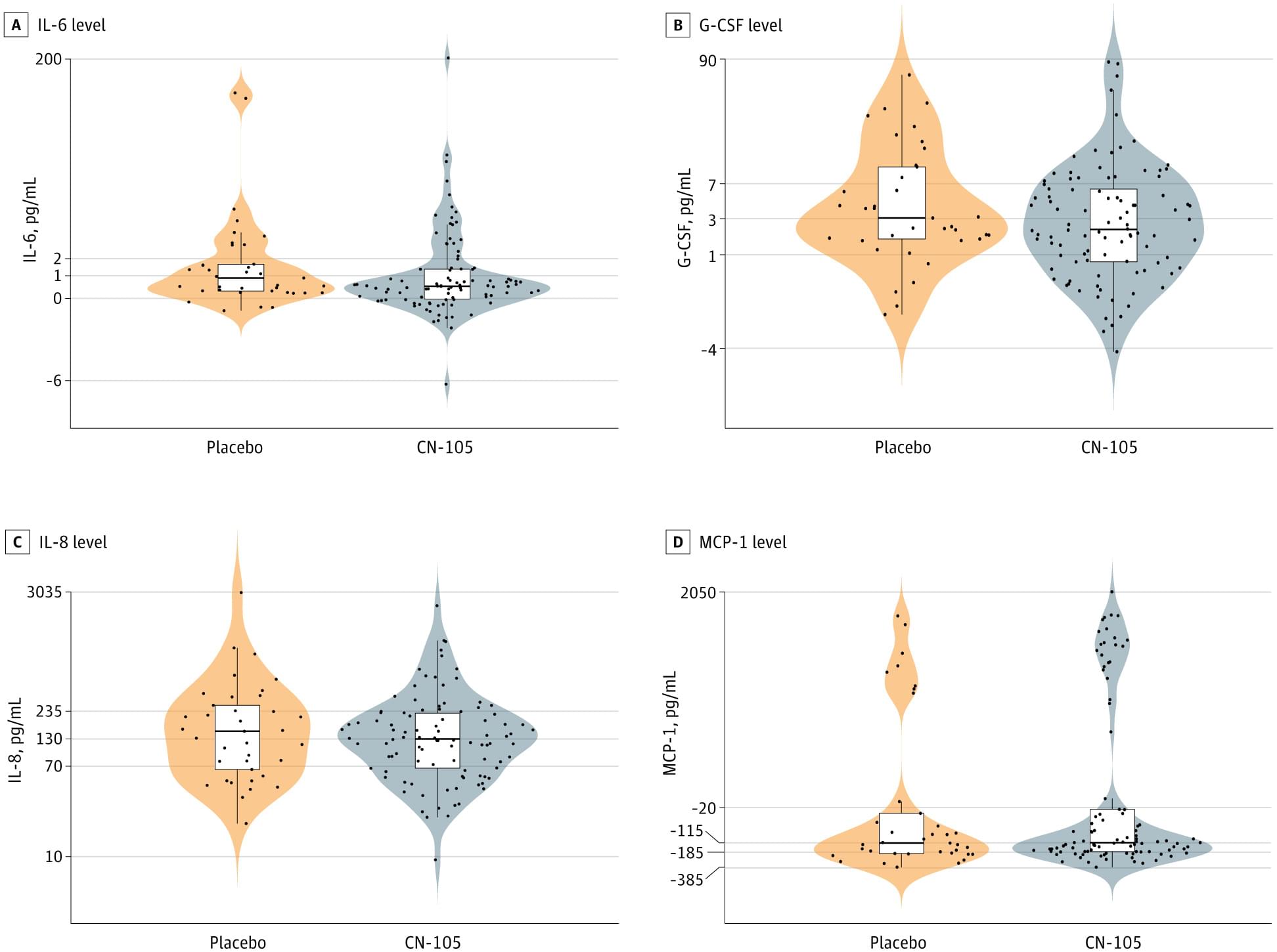
Apolipoprotein E Mimetic Peptide CN-105 and Postoperative Delirium in Older Patients: The Phase 2 MARBLE Randomized Clinical Trial

A phase 2 trial found that the apoE mimetic peptide CN-105 was safe and feasible in older adults after surgery, supporting the need for a phase 3 trial to assess effects on postoperative delirium.


This randomized clinical trial investigates the safety and feasibility of the apolipoprotein E mimetic peptide CN-105 vs placebo for reducing postoperative delirium in older patients.

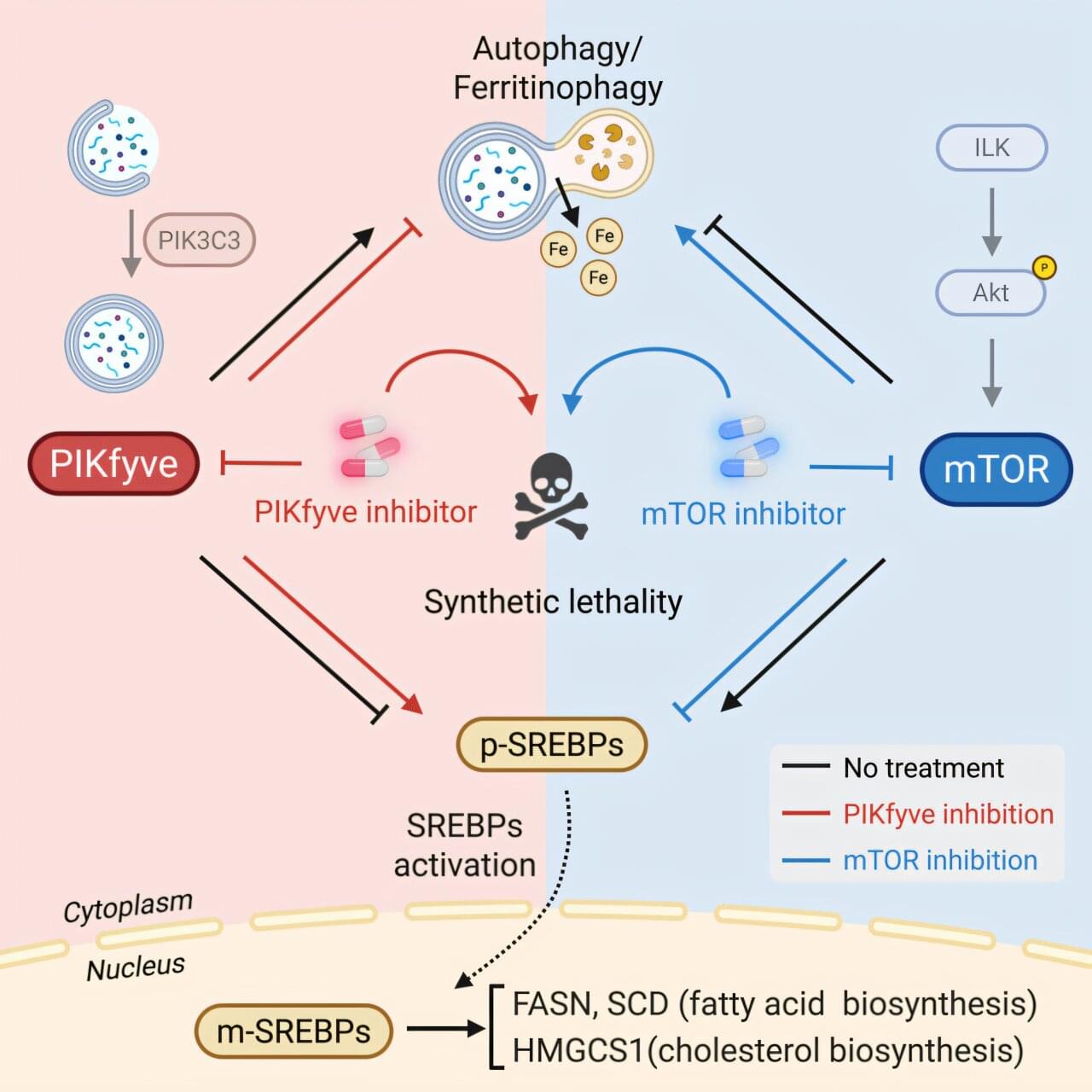
New therapeutic target identified for neuroendocrine tumors in the gastrointestinal tract

Neuroendocrine cells are unique in their ability to act both as nerve cells and hormone-making cells. They’re scattered throughout the body, including the stomach, intestines, pancreas and lungs. Tumors that arise from these cells are called neuroendocrine tumors and are often rare and slow growing.

Around 70% of all neuroendocrine tumors arise in the pancreas or gastrointestinal tract and are known as gastroenteropancreatic neuroendocrine tumors, or GEP-NETs. Targeting these tumors is often challenging because cells become resistant to treatment.

In a recent study published in the journal Cell Reports Medicine, University of Michigan researchers have identified a new target that can suppress tumor growth. Their findings may lead to new treatment methods for GEP-NETs.

Watching Atoms Make Waves

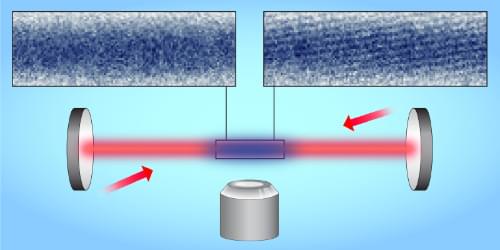
A new microscope captures how atoms rearrange themselves when they are illuminated inside an optical cavity.

When light hits an atom, it exerts a force on the atom. As weak as these light-induced forces may be, understanding them allows scientists to levitate particles, create the coldest atomic gases in the Universe, operate solar sails, and observe gravitational waves. More exotic phenomena occur when light is confined between a pair of mirrors known as an optical cavity. When a gas of atoms is placed inside such a cavity, light emitted by one atom can be absorbed by another atom. Through the exchange of photons, each atom simultaneously tugs on all the other atoms, causing the ensemble to autonomously rearrange itself into a periodic pattern called a density wave. Now Jean-Philippe Brantut and his colleagues at the Swiss Federal Institute of Technology in Lausanne (EPFL) have built a microscope to, for the first time, image this light-induced density wave in an ultracold atomic gas [1].

A new equation may help baristas produce the perfect espresso shot every time

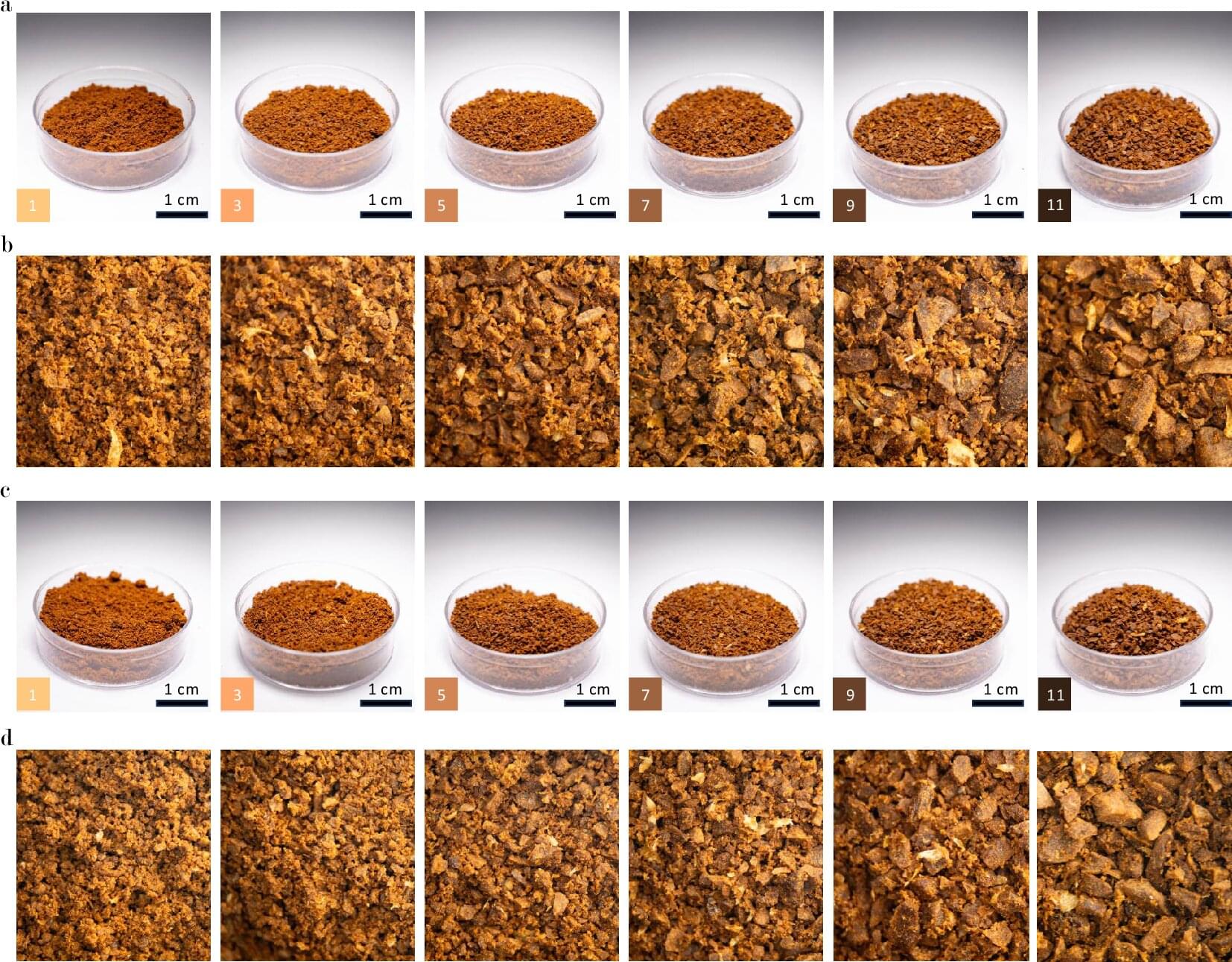
Everyone’s idea of the perfect cup of coffee is different. Whether you have yours black, with a splash of milk or extra sweet, you like it your way. But is there a universal law that governs how that flavor gets into your cup? According to new research published in the journal Royal Society Open Science, part of the answer lies in the permeability of the puck, the name for the bed of tightly packed coffee grains through which water passes under high pressure.

To make a really good espresso is essentially trial and error. No matter the coffee type, baristas must constantly adjust how finely the coffee is ground and how much is packed into the puck to achieve the right flow rate. This is the volume of liquid passing through the puck over a specific amount of time and determines how long the water stays in contact with the grounds. This new research helps take some of the guesswork out of the process.

/* */