Toggle light / dark theme

Get the latest international news and world events from around the world.

Log in for authorized contributors

Light-guided evolution creates proteins that can switch, sense, and compute

Researchers have created a method called optovolution that uses light to guide the evolution of proteins with dynamic behaviors. By engineering yeast cells so their survival depended on proteins switching states at the right time, scientists could rapidly select the best-performing variants. The technique produced new light-sensitive proteins that respond to different colors and improved optogenetic systems. It even evolved a protein that behaves like a tiny logic gate, activating genes only when two signals are present.

Atom-thin material could help solve chip manufacturing problem

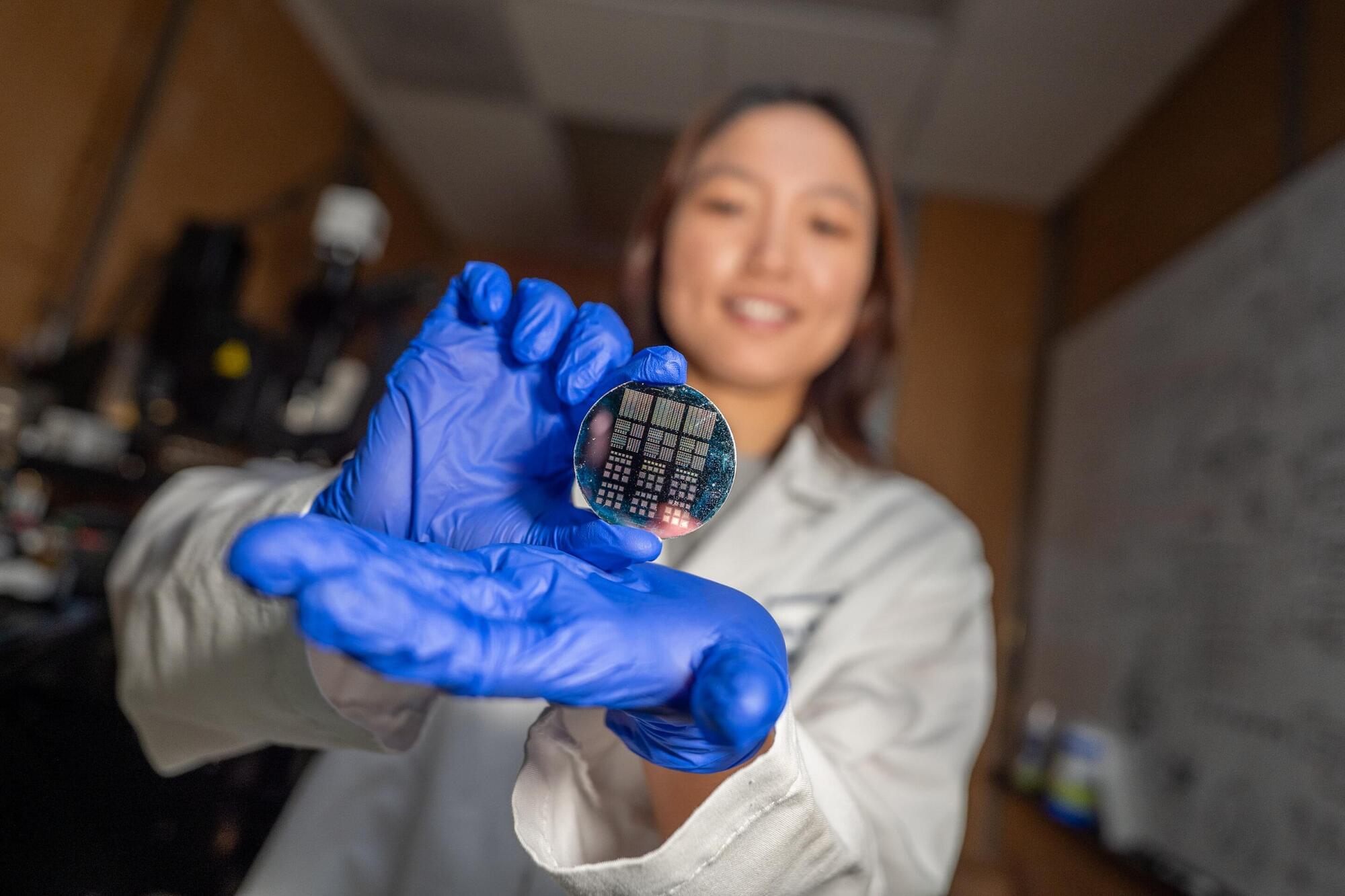
Making computer chips smaller is not just about better design. It also depends on a critical step in manufacturing called patterning, where nanoscale structures are carved into materials to form the circuits inside everything from smartphones to advanced sensors.

To create these patterns, engineers use a hard mask, a thin, durable material layer that protects selected regions while the exposed areas are etched away.

“As chips get smaller, the manufacturing process becomes much more demanding,” said Saptarshi Das, Penn State Ackley Professor of Engineering Science and professor of engineering science and mechanics. “The mask used to define these patterns must survive extremely harsh processing conditions. If the mask degrades, the patterns cannot be transferred reliably.”

Brain-inspired device could lead to faster, more energy-efficient AI hardware

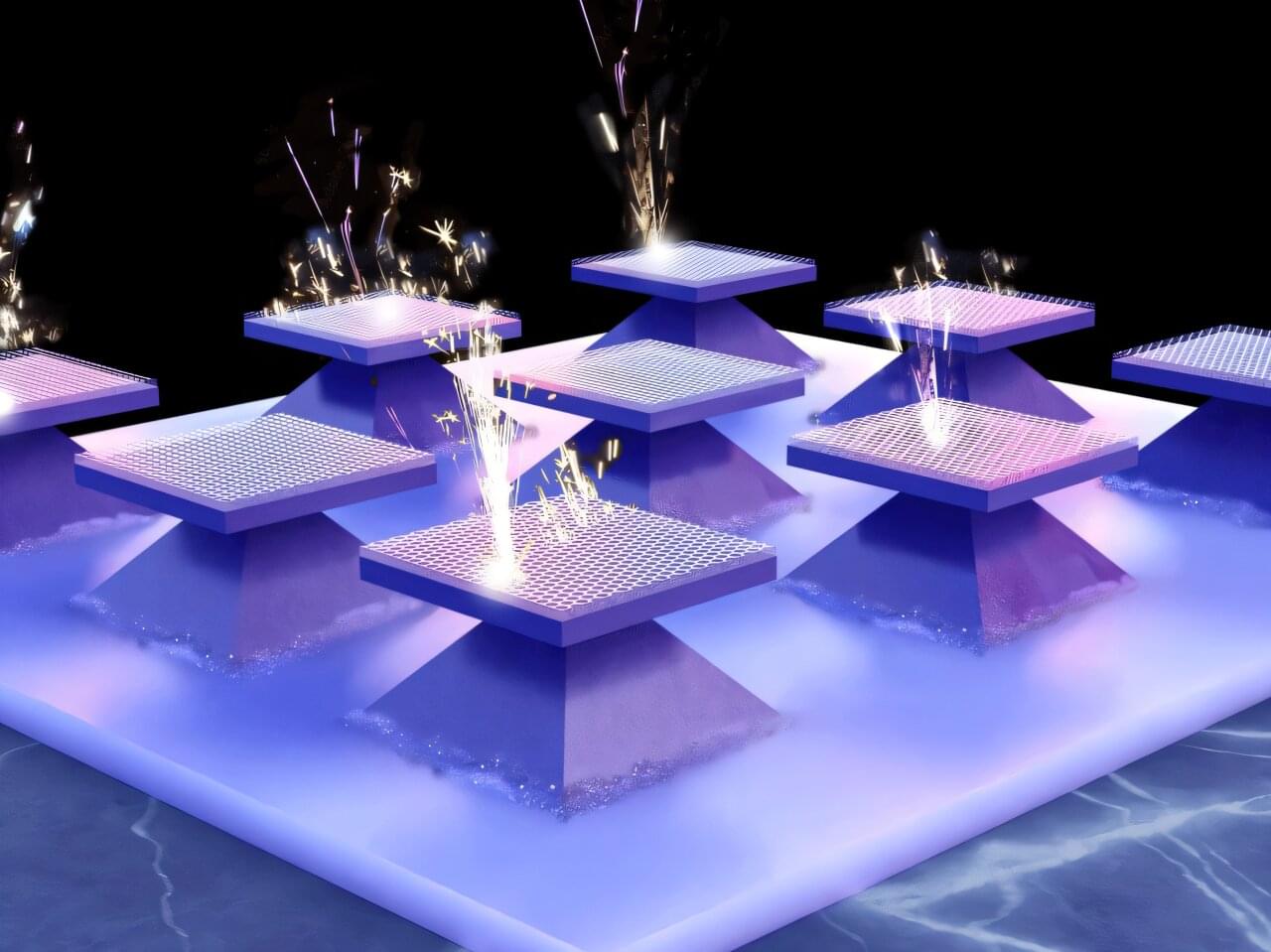
A team led by engineers at the University of California San Diego has developed a new brain-inspired hardware platform that could help computer hardware keep pace with the explosive growth of artificial intelligence. By combining memory and computation on the same chip—and allowing its components to interact collectively like neurons in the brain—the brain-inspired platform improved the speed, accuracy, and energy efficiency of pattern recognition in two simulated tasks: recognizing spoken digits and detecting epileptic seizures early from brain-wave recordings.

The approach could lead to the development of compact, energy-efficient hardware for smaller AI systems such as those used in wearable health monitors, smart sensors, and other autonomous devices.

The work, published on March 9 in Nature Nanotechnology, falls within the field of neuromorphic computing, which aims to build machines that mimic how the brain processes information. The researchers emphasize that the technology is brain-inspired, rather than brain-like; it draws ideas from how neural networks interact but does not attempt to replicate the brain itself.

Scientists create slippery nanopores that supercharge blue energy

Scientists have found a way to significantly boost “blue energy,” which generates electricity from the mixing of saltwater and freshwater. By coating nanopores with lipid molecules that create a friction-reducing water layer, they enabled ions to pass through much more efficiently while keeping the process highly selective. Their prototype membrane produced about two to three times more power than current technologies. The discovery could help bring osmotic energy closer to becoming a practical renewable power source.

Physicists finally see strange magnetic vortices predicted 50 years ago

A team of physicists has experimentally confirmed a long-predicted sequence of exotic magnetic phases in an atomically thin material. When cooled, the material forms tiny magnetic vortices before transitioning into a second ordered magnetic state—exactly as predicted by a famous theoretical model from the 1970s. Observing both phases together for the first time validates key ideas about how magnetism behaves in two dimensions. The findings could help inspire ultracompact technologies built on nanoscale magnetic control.

Golden lancehead genome reveals how genes responsible for venom toxins evolved

A research team led by scientists at the Butantan Institute in São Paulo, Brazil, has completed the most extensive genetic sequencing of a jararaca viper to date. The focus of the study was the genome of the golden lancehead (Bothrops insularis), particularly its venom genes. Since the species shares most of its genes with the other 48 species in the genus, the data serve as a reference for broader studies on the evolution of jararaca vipers and their toxins. The study is published in the journal Genome Biology and Evolution.

The golden lancehead was described in 1921 as a different species from the one known on the mainland, simply called jararaca (Bothrops jararaca). Isolated on Queimada Grande Island, off the coast of São Paulo, about 100,000 years ago, the population differed from its mainland counterparts to the point of separating into a new species.

In addition to having yellow skin, the golden lancehead is semi-arboreal and feeds on birds as an adult. Jararacas on the mainland, on the other hand, are dark in color and usually hunt small mammals, such as rats, on the ground. In 2021, B. jararaca became the first Brazilian snake to have its genome sequenced.

Cosmic microwave background

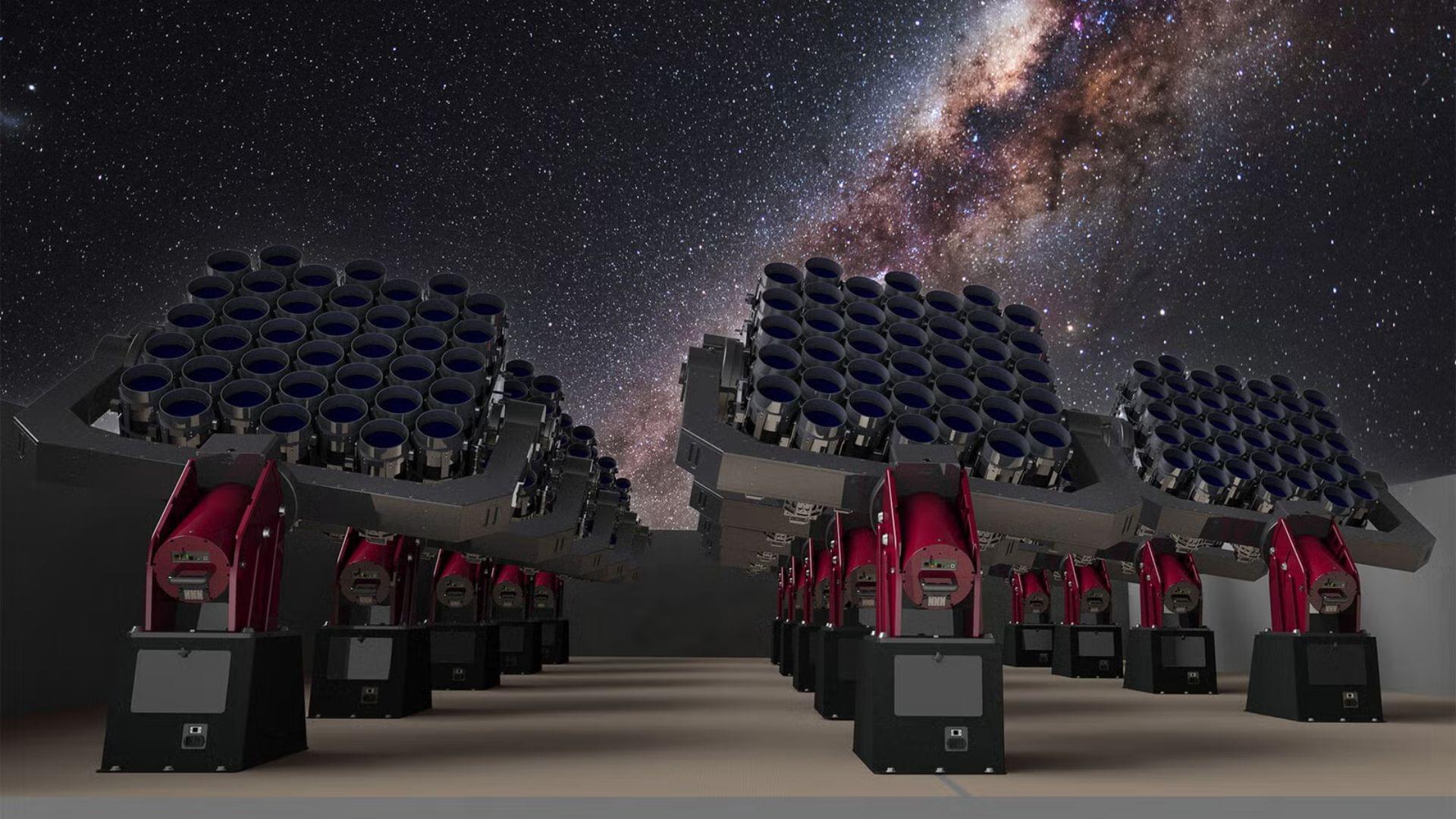
(CMB, CMBR), or relic radiation, is microwave radiation that fills all space in the observable universe. With a standard optical telescope, the background space between stars and galaxies is almost completely dark. However, a sufficiently sensitive radio telescope detects a faint background glow that is almost uniform and is not associated with any star, galaxy, or other object. This glow is strongest in the microwave region of the electromagnetic spectrum. Its energy density exceeds that of all the photons emitted by all the stars in the history of the universe. The accidental discovery of the CMB in 1964 by American radio astronomers Arno Allan Penzias and Robert Woodrow Wilson was the culmination of work initiated in the 1940s.

The CMB is the key experimental evidence of the Big Bang theory for the origin of the universe. In the Big Bang cosmological models, during the earliest periods, the universe was filled with an opaque fog of dense, hot plasma of sub-atomic particles. As the universe expanded, this plasma cooled to the point where protons and electrons combined to form neutral atoms of mostly hydrogen. Unlike the plasma, these atoms could not scatter thermal radiation by Thomson scattering, and so the universe became transparent. Known as the recombination epoch, this decoupling event released photons to travel freely through space. However, the photons have grown less energetic due to the cosmological redshift associated with the expansion of the universe. The surface of last scattering refers to a shell at the right distance in space so photons are now received that were originally emitted at the time of decoupling.

The CMB is very smooth and uniform, but maps by sensitive detectors detect small but important temperature variations. Ground and space-based experiments such as COBE, WMAP and Planck have been used to measure these temperature inhomogeneities. The anisotropy structure is influenced by various interactions of matter and photons up to the point of decoupling, which results in a characteristic pattern of tiny ripples that varies with angular scale. The distribution of the anisotropy across the sky has frequency components that can be represented by a power spectrum displaying a sequence of peaks and valleys. The peak values of this spectrum hold important information about the physical properties of the early universe: the first peak determines the overall curvature of the universe, while the second and third peak detail the density of normal matter and so-called dark matter, respectively.

/* */