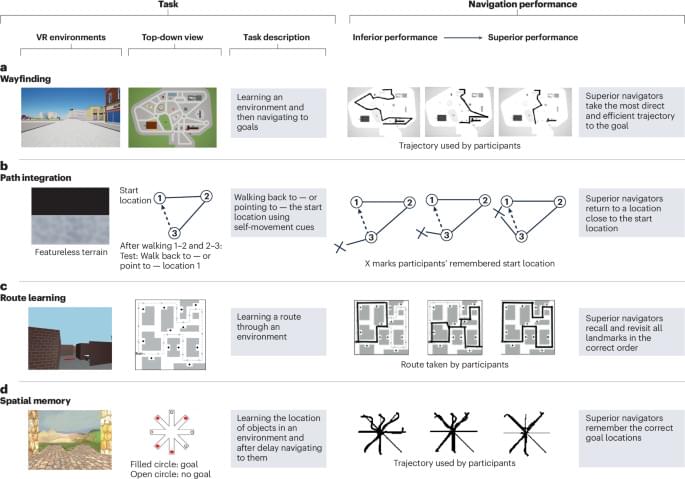
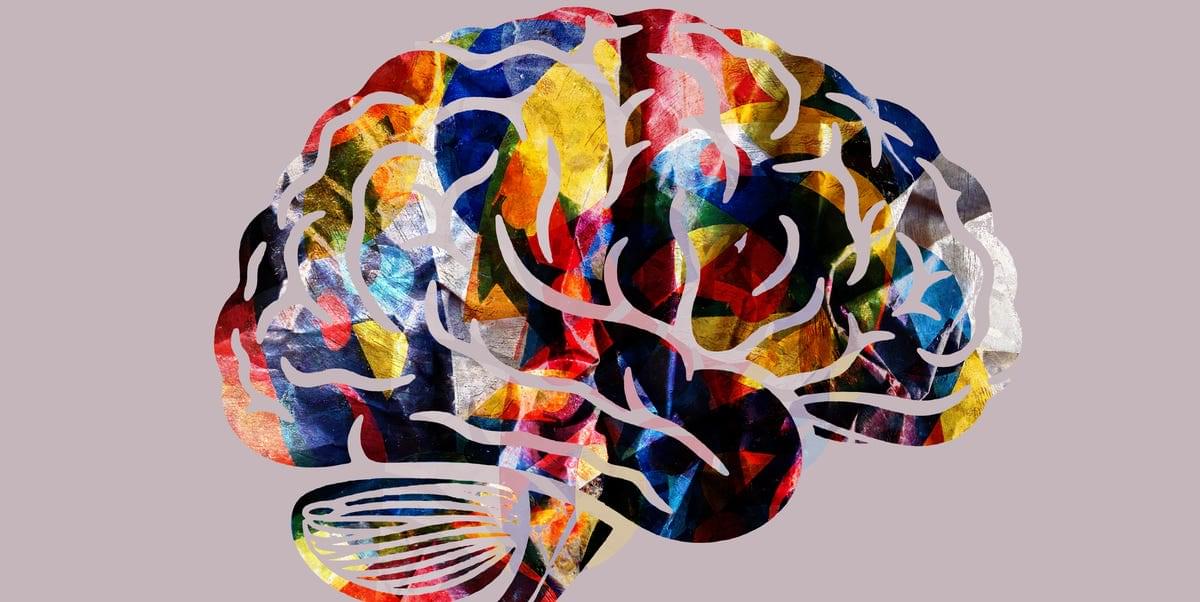
There is substantial variation across people in navigation ability, which is shaped by multiple factors. In this Review, Yavuz and Spiers organize these factors into lifetime, lifestyle and personal attributes, and discuss the cognitive and neural mechanisms of their influences on navigation.
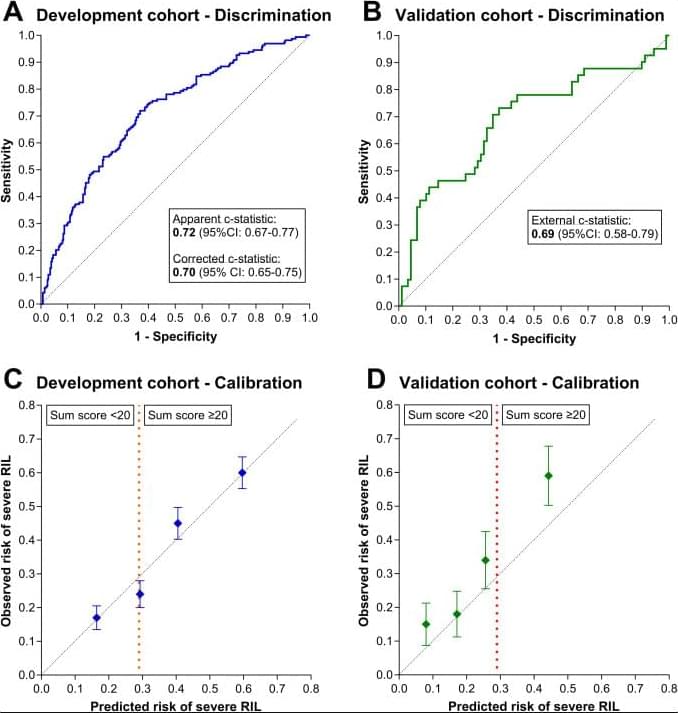
Can we predict immunotherapy success by forecasting severe radiation-induced lymphopenia (RIL)? A pretreatment NSCLC nomogram shows only low RIL-risk patients benefit from adjuvant durvalumab, potentially enabling personalized RIL mitigation and optimized immunotherapy. Read it here in the RedJournal.
Severe radiation-induced lymphopenia (RIL) during concurrent chemoradiotherapy (CCRT) for NSCLC has been associated with poorer outcomes and reduced immunotherapy efficacy. Because RIL often develops late during CCRT, identifying patients at risk before treatment may be clinically relevant. This study aimed to develop and validate a nomogram based on pretreatment predictors for severe RIL, and secondarily to explore associations between predicted RIL risk and adjuvant durvalumab-associated survival.
“This led us to the following idea: what if instead of preventing the formation of droplets, we created conditions that would drive Tau and alpha synuclein inside the droplets toward their healthy path, discouraging them from taking the disease path?” said a co-corresponding author of the work.
The team worked with biochemical and biophysical techniques, high-resolution microscopy and neuronal-based assays to investigate tubulin’s role in modulating and preventing the formation of toxic aggregates in droplets.
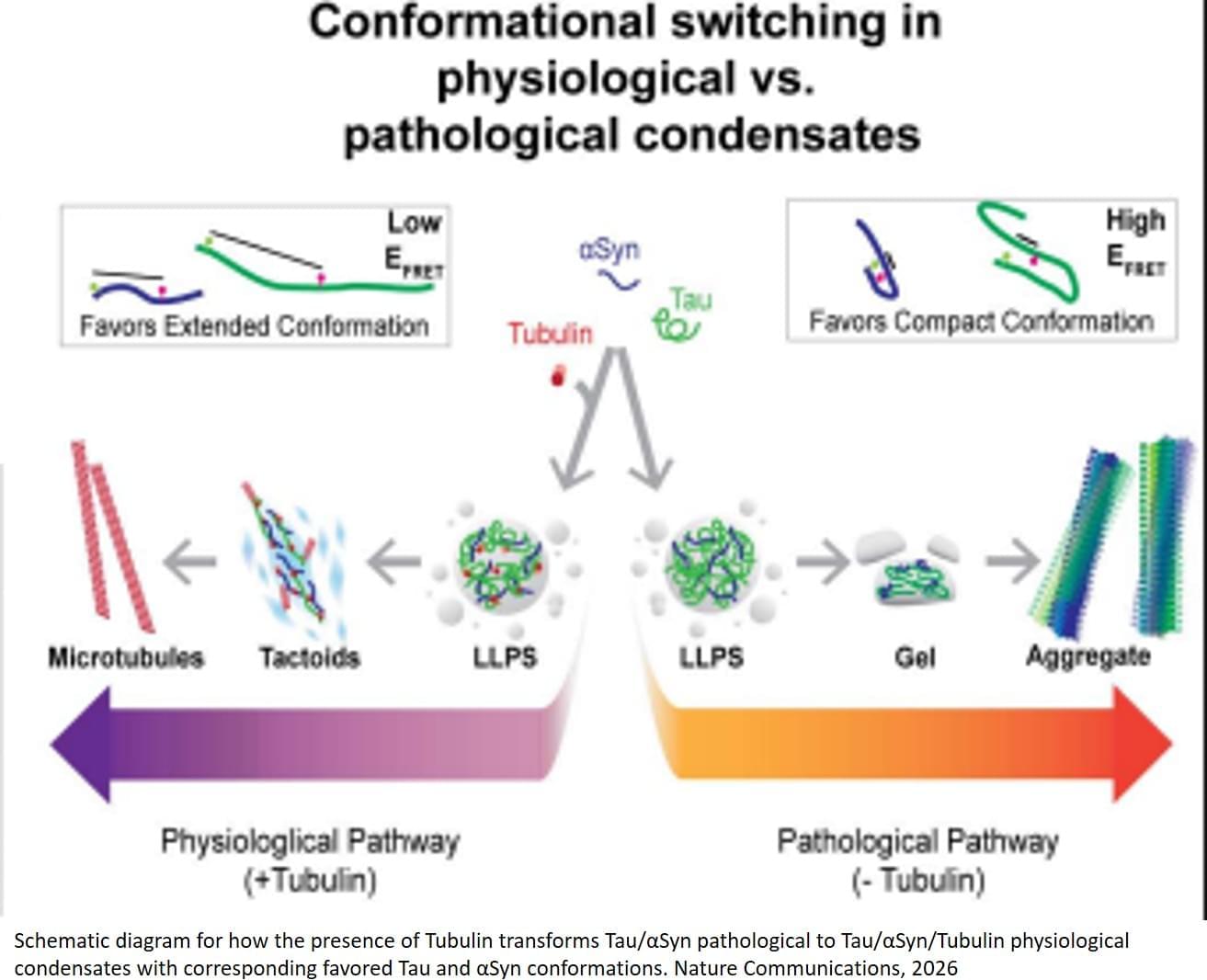
The researchers show that Tubulin modulates Tau:αSyn condensates by promoting microtubule interactions and inhibiting homotypic and heterotypic pathological oligomers. Tubulin partitioning into condensates promotes microtubule polymerization and prevents Tau and αSyn oligomerization.
In the absence of Tubulin, Tau-driven condensation accelerates formation of pathogenic Tau:αSyn heterodimers and amyloid fibrils. The authors also identify distinct Tau and αSyn structural states in pathological Tubulin-absent versus physiological Tubulin-rich condensates.
“When tubulin levels are low, as it has been found in Alzheimer’s disease, microtubules are less abundant and Tau and alpha synuclein can form toxic aggregates,” the author said. “But when tubulin is present, Tau and alpha‑synuclein shift away from harmful aggregates and instead promote the assembly of healthy microtubules,” the author said. “Tubulin redirects the activity of these proteins by giving them something productive to do.” ScienceMission sciencenewshighlights.
Researchershave discovered a potential new strategy to fight back against Alzheimer’s and Parkinson’s diseases, conditions that are linked to the toxic accumulation of Tau and alpha synuclein protein clumps in the brain. The team reports in Nature Communications that tubulin, the building block of microtubules, the cell’s internal ‘railway tracks,’ can stop Tau and alpha synuclein from forming toxic clumps and instead steer them into their normal, healthy roles.
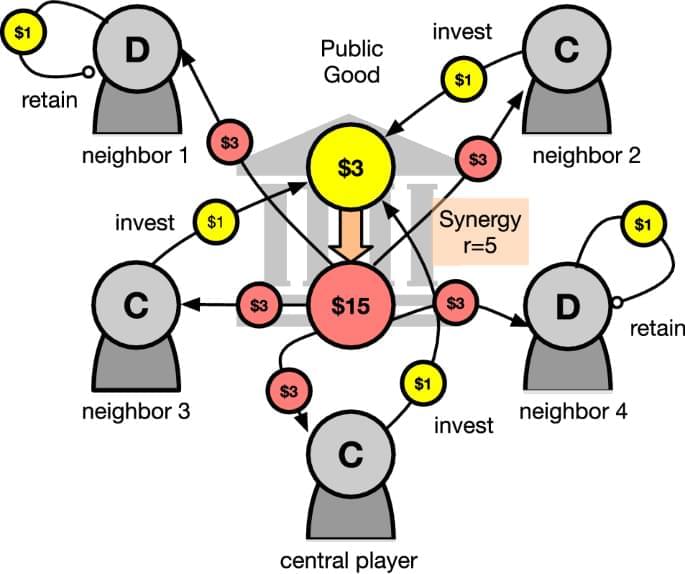
Hintze, A., Adami, C. Promoting cooperation in the public goods game using artificial intelligent agents. npj Complex3, 3 (2026). https://doi.org/10.1038/s44260-025-00065-9
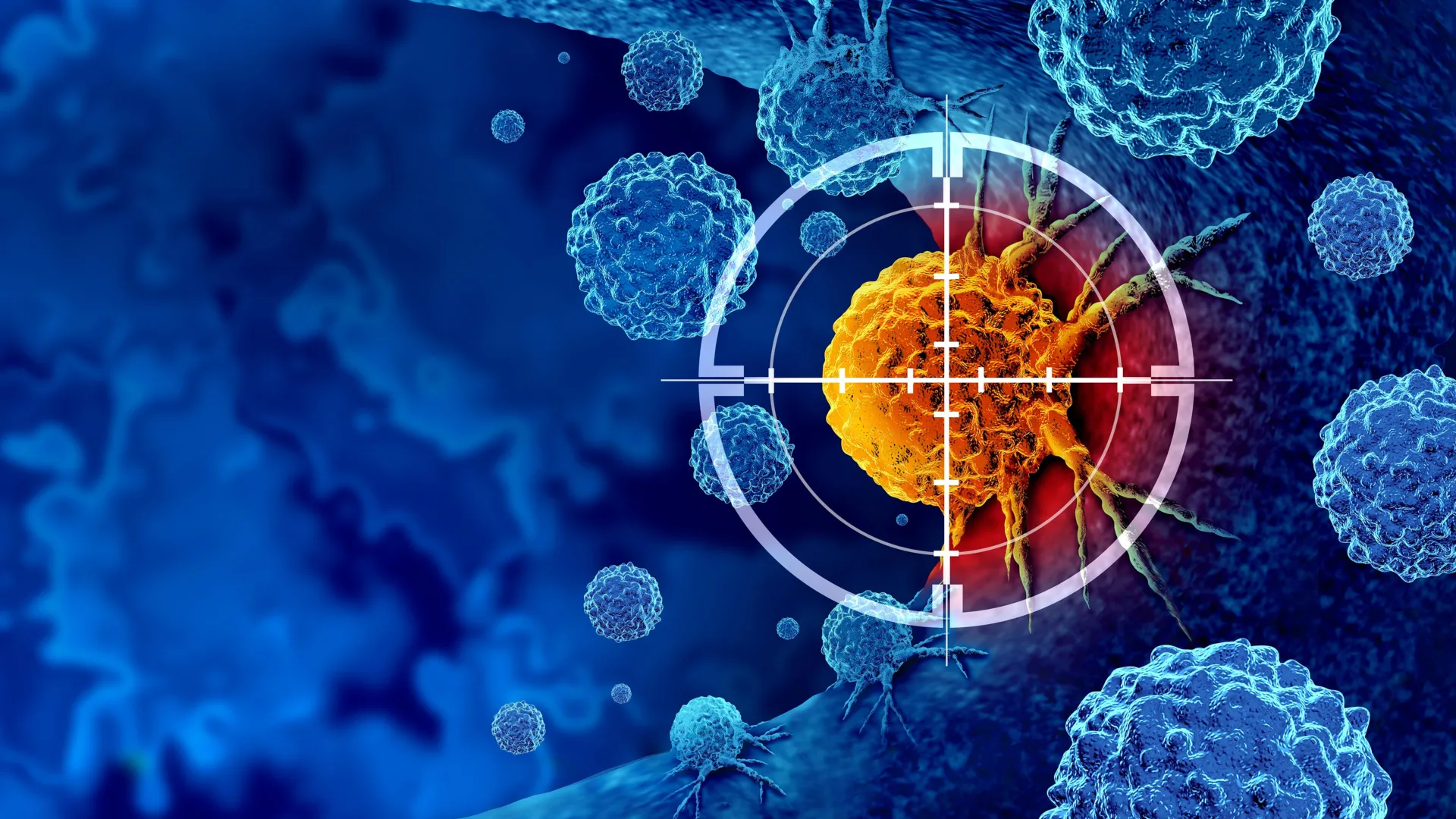
Scientists have uncovered new genetic rules that determine whether the immune system’s “killer” T cells remain powerful long-term defenders or become worn out and ineffective. By building a detailed genetic atlas of CD8 T cell states, researchers identified key molecular switches that push these cells toward either resilience or exhaustion. Remarkably, disabling just two previously unknown genes restored the tumor-killing power of exhausted T cells while preserving their ability to provide lasting immune protection.
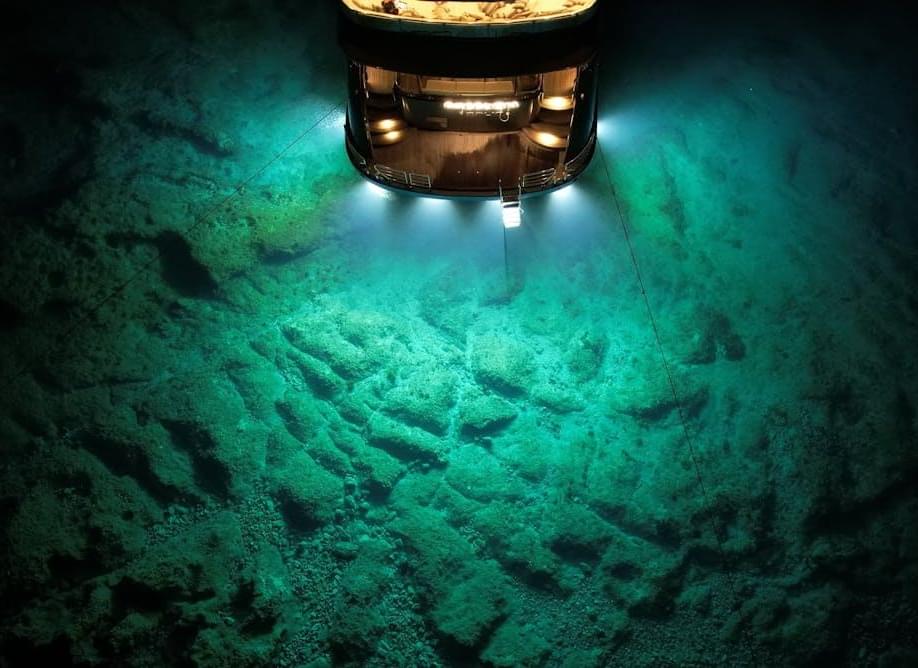
The reef is a home and feeding ground for dozens of species that depend on it the way a woodland creature depends on trees. It has survived ice ages – but whether it will survive increasing pressures from industrial fishing, deep-sea mining and climate change is, in part, a question about data. If we don’t know it exists, how can we protect it?
A new project called Deep Vision could fundamentally transform our understanding of the deep ocean by digging into pictures and videos sat largely unexamined in research archives around the world. By using AI, thousands of hours of seafloor footage can be analysed to produce the first comprehensive maps of vulnerable marine ecosystems across the entire Atlantic basin.
Over the past two decades, robotic and autonomous underwater vehicles have collected vast quantities of footage from the deep sea. This represents an extraordinary resource – a record of ecosystems that most humans will never see.
Are minds just processes? Can AI become conscious, morally wiser, or even part of a larger collective intelligence? Anders Sandberg and Joscha Bach discuss consciousness, AGI, hybrid minds, moral uncertainty, collective agency and the future of the cyborg Leviathan. It’s a deep and winding discussion with so many interesting topics covered!
0:00 Intro. 0:37 What is consciousness? Phenomenology — functionalism & panpsychism. 1:54 Causal boundaries — the mind is a causally organised process with a non-arbitrary functional boundary, sustained through time by feedback, control, and internal continuity. 3:20 Minds are not states — they are processes. We don’t see causal filtering in tables. 5:54 Epiphenomenalism is self-undermining if it has no causal role, and taking causation seriously pushes towards functionalism. 9:49 Methodological humility about armchair philosophy of mind. 12:41 Putnam-style Brain-in-a-vat — and why standard objections to AI minds fall flat. 16:37 Is sentience required (or desired) for not just moral competence in AI, but moral motivation as well? 22:35 Why stepping outside yourself is powerful — seeing. 25:12 Are AIs born enlightened? 26:25 Are LLMs AGI yet? What’s still missing. 28:16 AI, hybrid minds, and the limits of human augmentation. 32:32 Can minds be extended — in humans, dogs, and cats? 36:19 Why human language may not be open-ended enough. 39:41 Why AI is so data-hungry — and why better algorithms must exist. 43:39 Why better representations matter more than raw compute (grokking was surprising) 48:46 How babies build a world model from touch and perception. 51:05 What comes after copilots: agent teams, multimodality and new AI workflows. 55:32 Can AI help us discover new forms of taste and aesthetics. 59:49 Using AI to learn art history and invent a transhumanist aesthetic. 1:01:47 When AI helps everyone looks professional, what still counts as real skill? 1:03:56 What happens when the self starts to merge with AI 1:05:43 How AI changes the way we think and create. 1:08:10 What happens when AI starts shaping human relationships. 1:11:18 Why feeling in control can matter more than being right. 1:12:58 Why intelligence without wisdom is very dangerous. 1:17:45 AI via scaling statistical pattern matching vs symbolic (& causal) reasoning. Can LLMs learn causality or just correlation? 1:23:00 Will multimodal AI replace LLMs or use them as glue everywhere. 1:24:02 10 years to the singularity? 1:25:27 AI, coordination and the corruption problem. 1:29:47 Can AI become more moral than us (humans)? and if so, should it? 1:34:31 Why pluralism still leaves moral collisions unresolved. 1:34:31 Traversing the landscape of norms (value) 1:38:14 Can ethics work across nested levels of existence? (from the person-effecting-view to the matrioshka-effecting-view) 1:43:08 Moral realism, evolution & game-theoretic symmetries. 1:48:01 Is there a global optimum of moral coordination? Is that god? 1:55:12 Metaphors of the body-politic, the body of Christ, Omega Point theory, Leviathan. 1:59:36 Will superintelligences converge into a cosmic singleton?
Have any ideas about people to interview? Want to be notified about future events? Any comments about the STF series? Please fill out this form: https://docs.google.com/forms/d/1mr9P… regards, Adam Ford
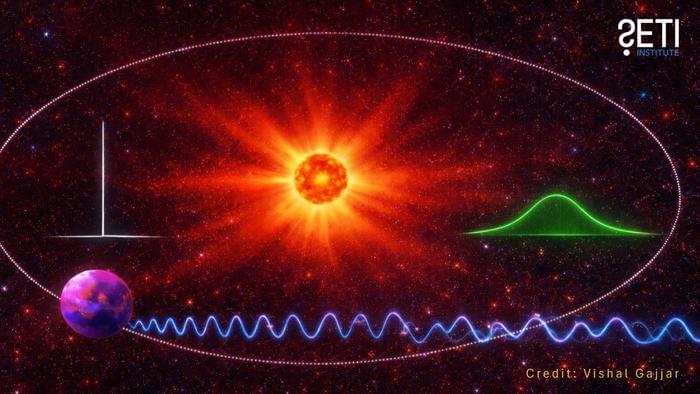
Dr. Vishal Gajjar: “If a signal gets broadened by its own star’s environment, it can slip below our detection thresholds, even if it’s there, potentially helping explain some of the radio silence we’ve seen in technosignature searches.”
What steps can be taken to identify why we haven’t received radio signals from an extraterrestrial intelligence, also called technosignatures? This is what a recent study published in The Astrophysical Journal hopes to address as a team of scientists investigated potential explanations regarding why humanity continues hearing silence from technosignatures. This study has the potential to help scientists and the public better understand the shortcomings and enhancements that can be made in the search for intelligent life beyond Earth.
For the study, the researchers used a series of computer models to simulate how radio signals leaving extrasolar star systems could be influenced by a myriad of factors, specifically space weather coming from the host star. This study comes as SETI and other researchers worldwide continue to come up empty regarding identifying technosignatures. The goal of the study was to ascertain potential reasons while putting constraints on both how and where to search for technosignatures.
In the end, the researchers ascertained that space weather plays a role in altering the outgoing radio signals by dispersing them, as opposed to the radio signals maintaining a fixed beam. The team ascertained that M-dwarf stars, which constitute approximately 75 percent of the stars in the Milky Way Galaxy while being smaller and cooler than our Sun, are prime targets for searching for technosignatures. This is due to their space weather, which is far more active than stars like our Sun, dispersing the radio signals.