Toggle light / dark theme

How AI could unlock deep-sea secrets of marine life

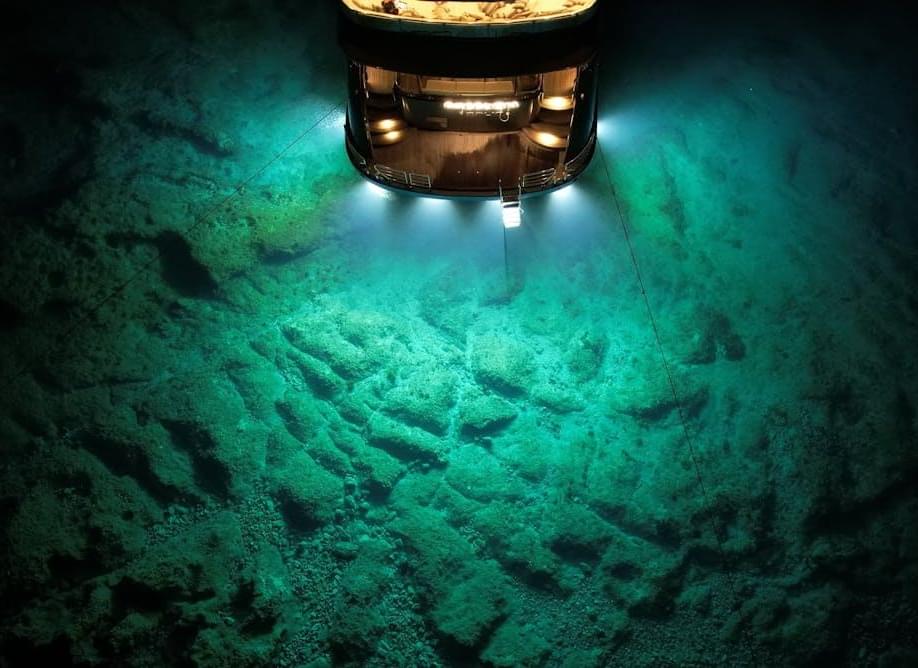
The reef is a home and feeding ground for dozens of species that depend on it the way a woodland creature depends on trees. It has survived ice ages – but whether it will survive increasing pressures from industrial fishing, deep-sea mining and climate change is, in part, a question about data. If we don’t know it exists, how can we protect it?

A new project called Deep Vision could fundamentally transform our understanding of the deep ocean by digging into pictures and videos sat largely unexamined in research archives around the world. By using AI, thousands of hours of seafloor footage can be analysed to produce the first comprehensive maps of vulnerable marine ecosystems across the entire Atlantic basin.

Over the past two decades, robotic and autonomous underwater vehicles have collected vast quantities of footage from the deep sea. This represents an extraordinary resource – a record of ecosystems that most humans will never see.
Quantum materials could enable the solar-powered production of hydrogen from water

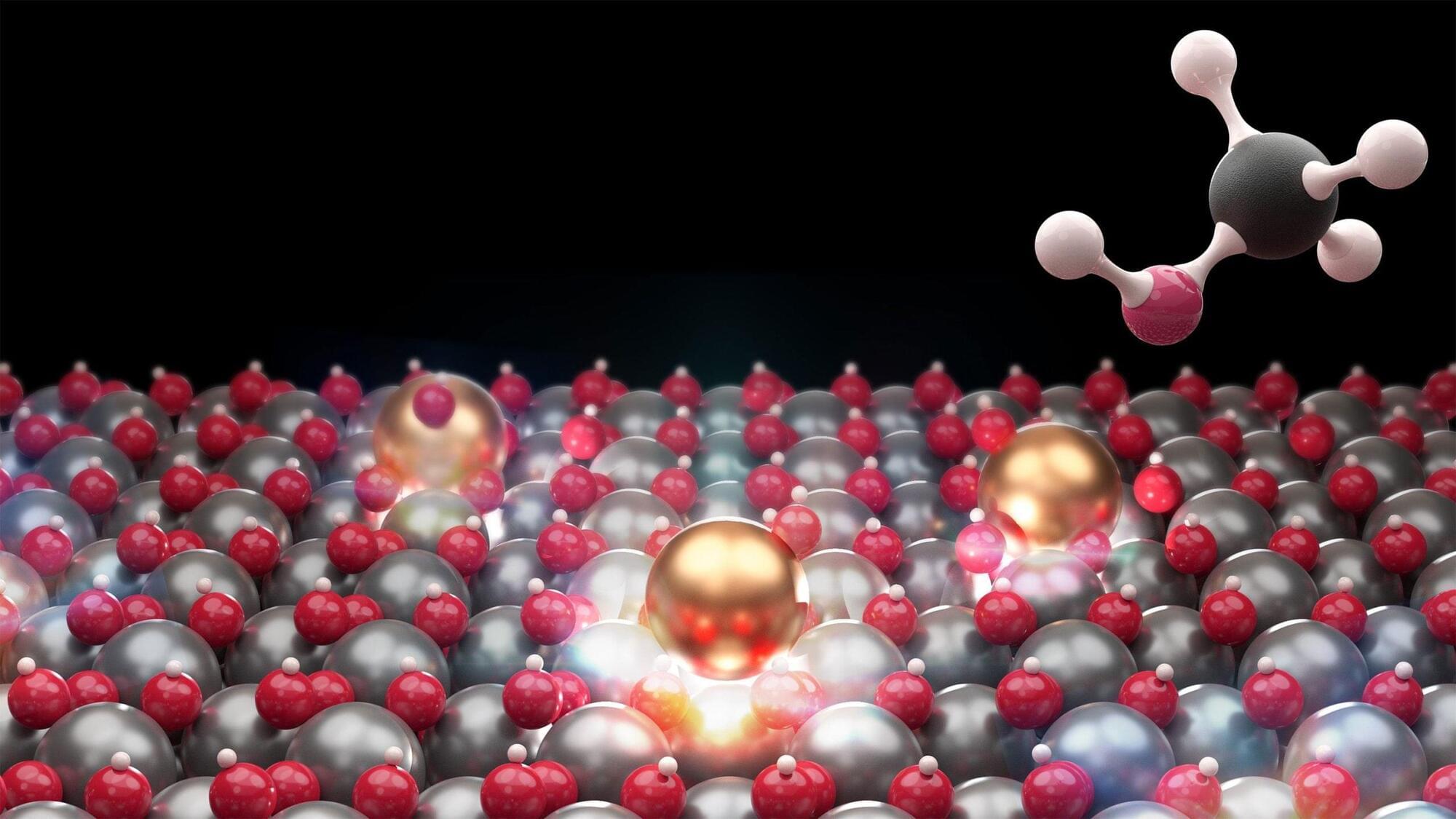
Hydrogen fuel is a promising alternative to fossil fuels that only emits water vapor when used and could thus help to lower greenhouse gas emissions on Earth. In the future, it could potentially be used to fuel heavy-duty transport vehicles, such as trucks, trains, and ships, as well as industrial heating and decentralized power generation systems.

Unfortunately, most current methods to produce hydrogen rely on the burning of fossil fuels, which limits its environmental advantages. Given its potential, many energy engineers worldwide have been trying to devise more sustainable strategies to produce hydrogen on a large scale.

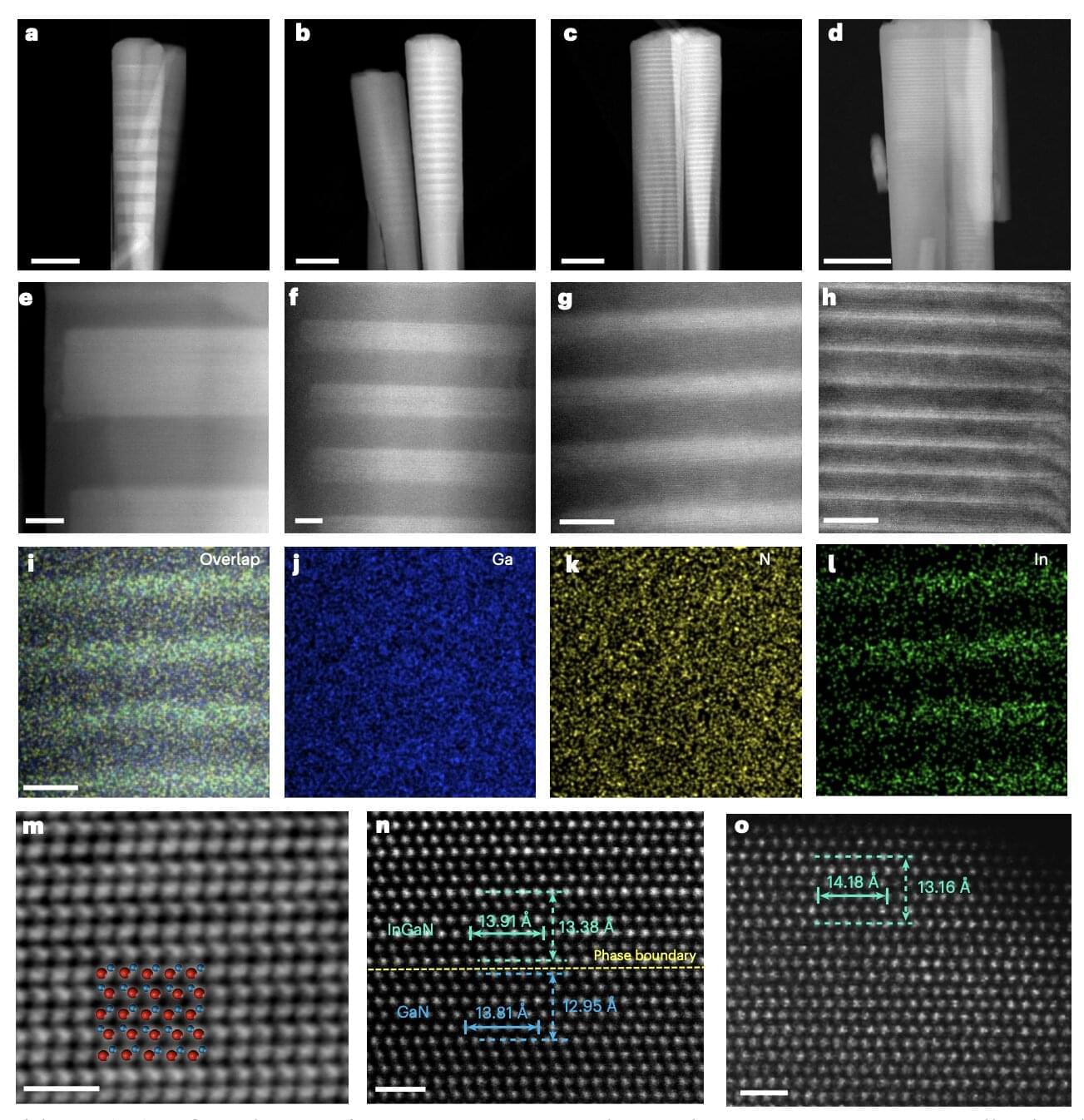
One proposed method for the clean production of hydrogen is known as photocatalytic water splitting. This approach entails splitting water molecules into hydrogen and oxygen, using photocatalysts (i.e., materials that respond to sunlight and prompt desired chemical reactions).

Electron microscopy maps protein landscapes that drive photosynthesis

Research led by scientists at Washington State University has revealed insights on how plants form a microscopic landscape of proteins crucial to photosynthesis, the basis of Earth’s food and energy chain. The discovery provides a new view of the molecular engine that converts sunlight into bioenergy and could enable future fine-tuning of crops for higher yields and other useful traits.

Colleagues at WSU, the University of Texas at Austin, and the Weizmann Institute of Science in Israel used a novel, technology-powered approach to peer inside plant leaf cells and visualize the landscape of the photosynthetic membrane—the ribbon-like structure where plants harvest sunlight. The findings were recently published in the journal Science Advances.

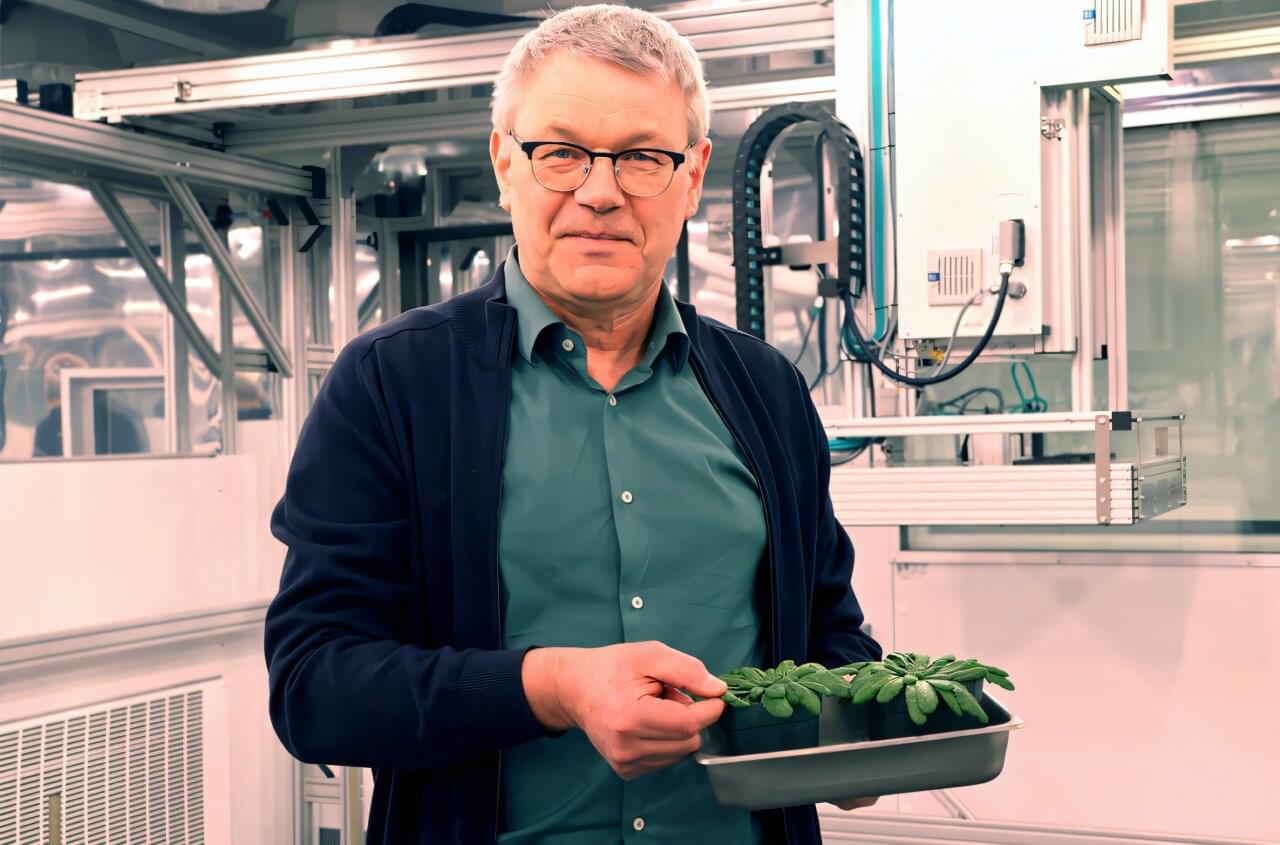
“These membranes are highly efficient biological solar cells,” said the study’s principal investigator and corresponding author, Helmut Kirchhoff. “They convert sunlight energy into chemical energy that fuels not only the plant’s metabolism but that of most life on Earth.”

Chemical recycling of imine-linked covalent organic frameworks

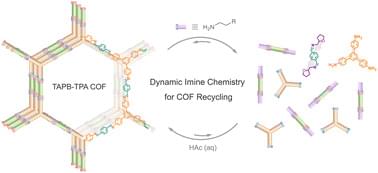
Imine-linked covalent organic frameworks (COFs) have been explored for various applications; however, chemical recycling of end-of-life COFs is an undeveloped area of research. Here, we report closed-loop recycling methods for imine-linked COFs, realizing their chemical depolymerization and reconstruction through d.

Scientists have created a leather clothing alternative made entirely from mushrooms that looks and feels like the real thing

Austria’s scientists have created a leather made from mycelium. Growing mushrooms in low-oxygen chambers allows researchers to craft an alternative material that feels and looks like traditional leather. The finished textile is strong, flexible, and even fire-resistant.

Manufacturers grow the material instead of harvesting it from animals. After it reaches the desired thickness, they apply non-toxic enzymes to keep it fully biodegradable. The vegetative part of the fungus grows into a dense mat over a matter of days. Above all, it avoids the environmental impact of traditional leather production…

…This is not science fiction; fungal fabric has grown from a curiosity into reality. A 2025 report listed the benefits of mushroom leather as having a lower carbon footprint. It begins with a substantial reduction in water use. Growing mushrooms, compared to raising cattle, requires a fraction of the water.


Scientists created a mushroom leather made from mycelium that looks and feels like traditional leather. It’s grown in a matter of days.

Scientists Map the Hidden Chemistry of Solar-Powered Catalysts

A new computational approach reveals how subtle structural changes in polyheptazine imides can dramatically influence their ability to convert sunlight into chemical energy. Photocatalysis offers a promising way to convert abundant sunlight into useful chemical energy. Among the materials attract

Molecular ‘catapult’ fires electrons at the limits of physics

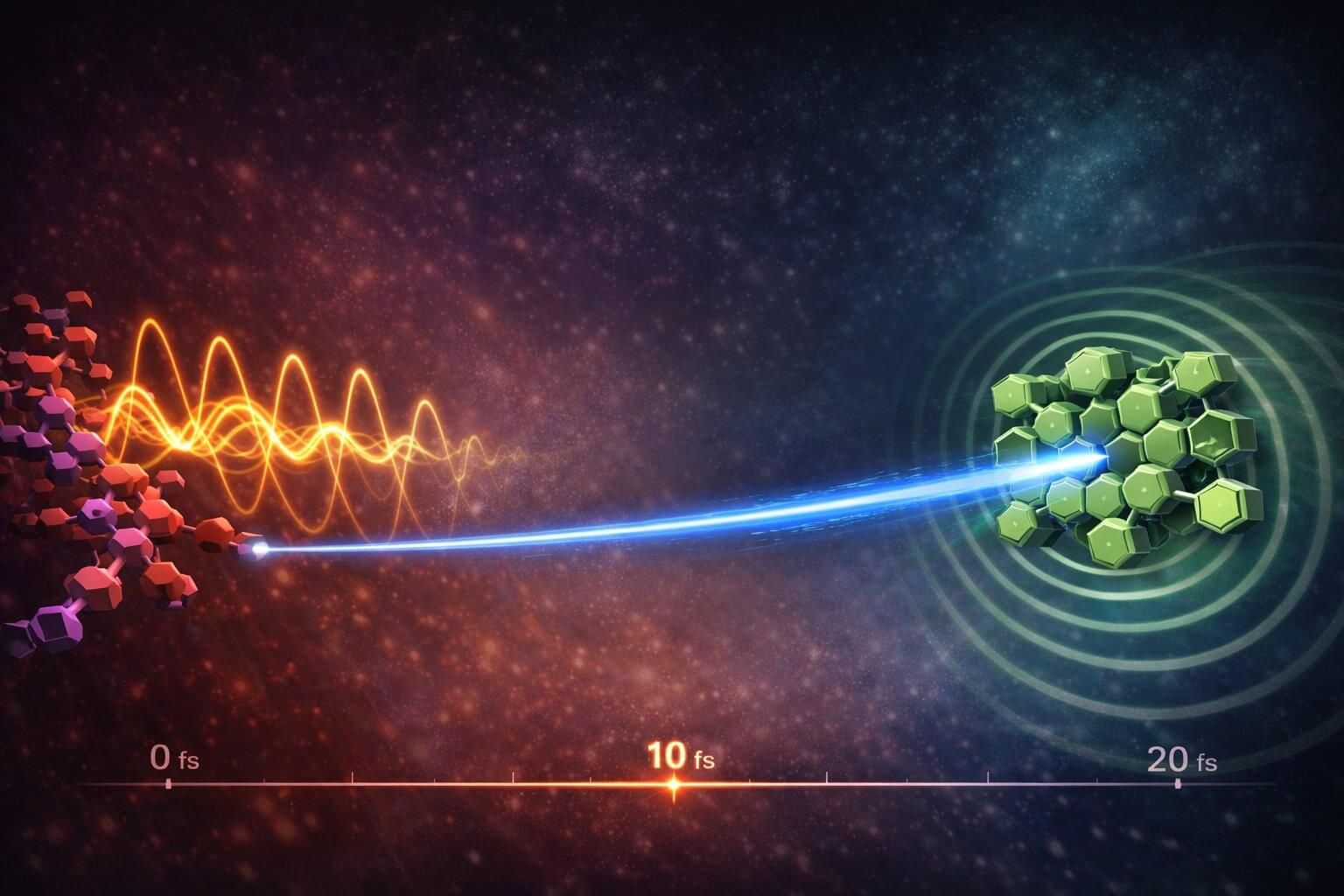
Electrons can be “kicked across” solar materials at almost the fastest speed nature allows, scientists have discovered, challenging long-held theories about how solar energy systems work. The finding could help researchers design more efficient ways of harvesting sunlight and converting it into electricity. The research is published in Nature Communications.

In experiments capturing events lasting just 18 femtoseconds —less than 20 quadrillionths of a second—researchers at the University of Cambridge observed charge separation happening within a single molecular vibration.

“We deliberately designed a system that—according to conventional theory—should not have transferred charge this fast,” said Dr. Pratyush Ghosh, Research Fellow, at St John’s College, Cambridge, and first author of the study. “By conventional design rules, this system should have been slow, and that’s what makes the result so striking.

From water splitting to H₂O₂: A new method narrows carbon nitride photocatalyst design

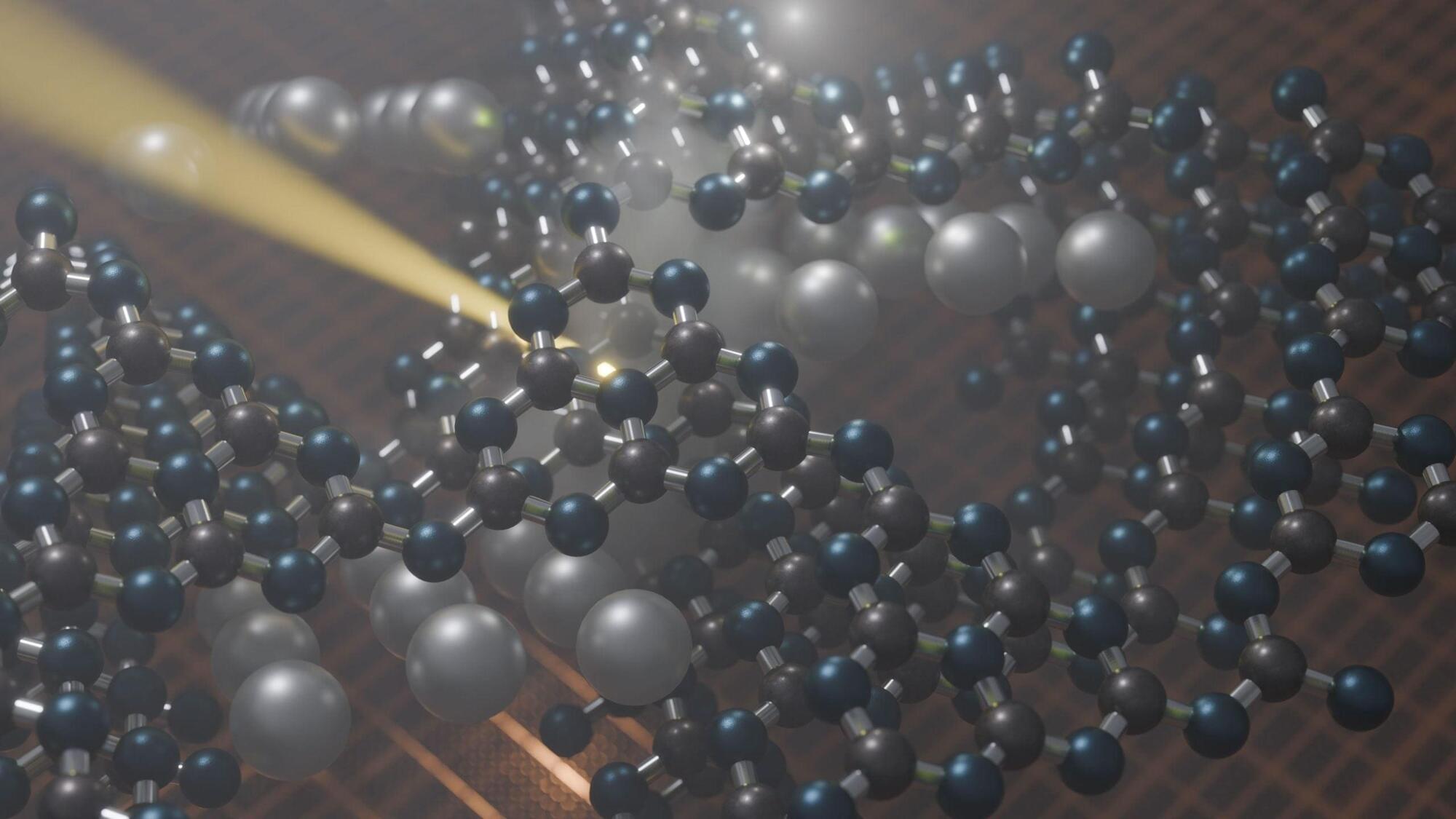
Photocatalysis promises an efficient conversion of abundant solar energy into usable chemical energy. Polyheptazine imides have some key structural and functional twists that make them especially interesting for photocatalysis. So far, there is only limited knowledge about how structural changes affect the electronic and optical properties of the many material candidates in this class. A team led by researchers from the Center for Advanced Systems Understanding (CASUS) at HZDR has now presented a reliable and reproducible theoretical method to solve this challenge that was confirmed by measurements done on genuine candidate materials.

Polyheptazine imides belong to the family of carbon nitrides, which are layered, graphene-like compounds composed of nitrogen-rich, ring-shaped units. Unlike graphene, which exhibits excellent electrical conductivity but lacks photocatalytic activity, polyheptazine imides possess band gaps suitable for visible-light absorption.

Carbon nitride-based materials impress due to their low production cost, nontoxicity and thermal stability. However, the first generation of such materials were not ideal photocatalysts as the materials possessed properties that hindered charge separation. If a material has a low charge separation, the electron excited by an incoming photon quickly recombines with the hole it was propelled from—and releases energy only as heat or light. No energy is available to drive chemical reactions.

Inside the push to make ice rinks sustainable

Stefania Impellizzeri, a sustainable-materials chemist at Toronto Metropolitan University, is trying to make ice rinks more efficient and sustainable by fine-tuning water chemistry and rink-related materials.


Rinks use energy, water, and refrigerants, and they create microplastics. People are trying to reduce this footprint by .

/* */