New 3D reconstructions of a key sensory organ in ctenophores reveal an unexpected structural and functional complexity. The findings suggest that an elementary brain may have already appeared in our most ancient relatives, reshaping our understanding of nervous system evolution in animals. The work is published in Science Advances.
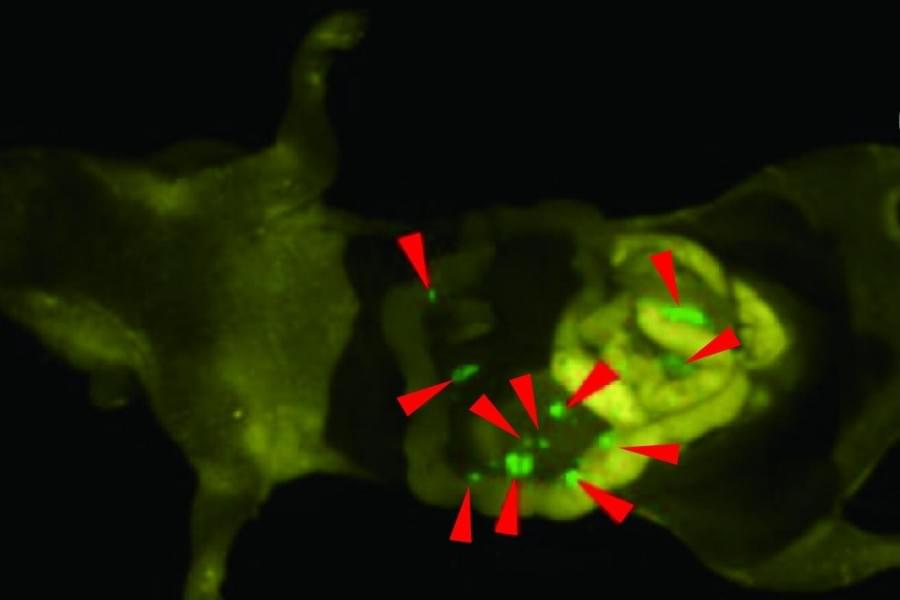
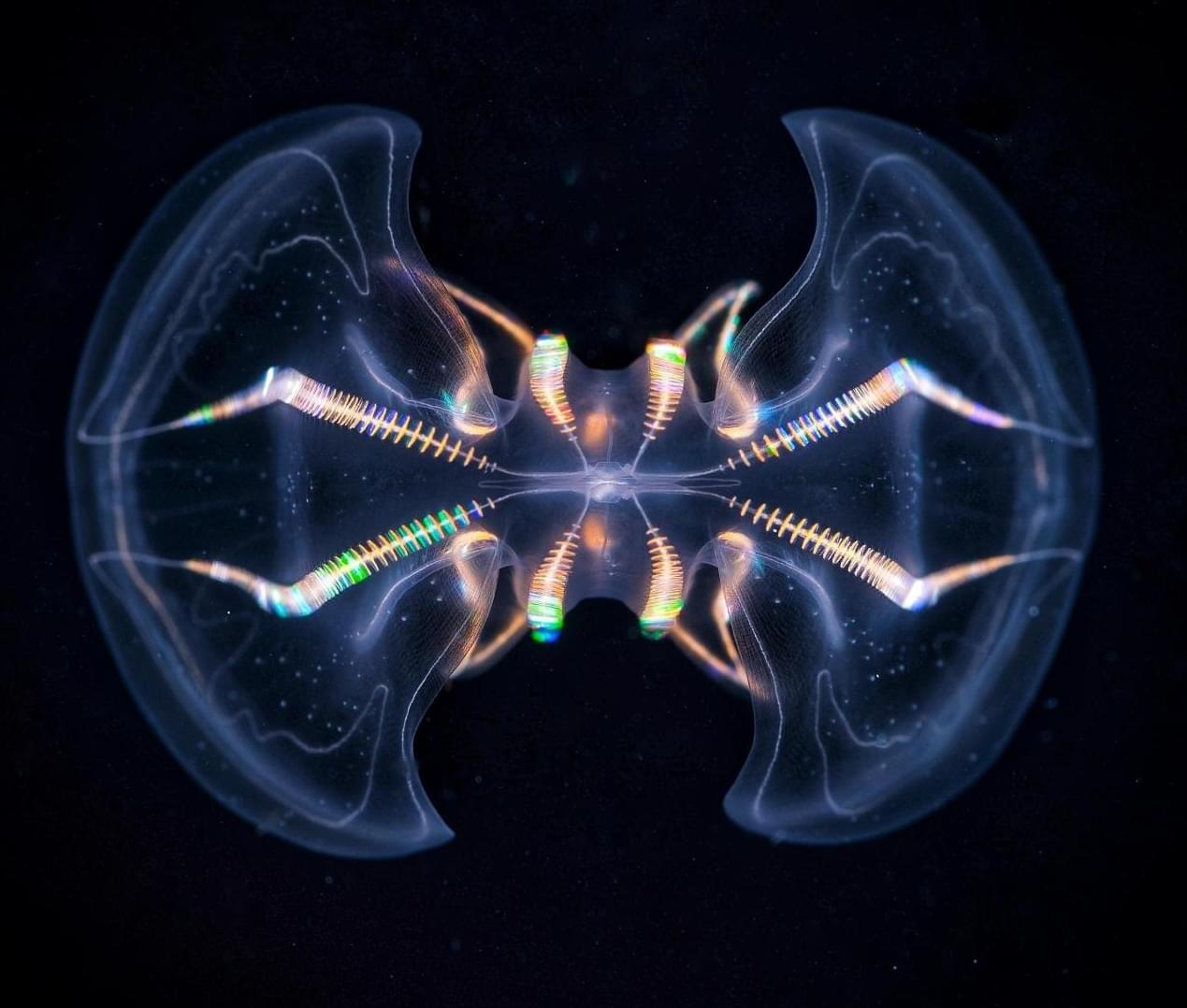
Ctenophores (comb jellies) are gelatinous animals that appeared in the ocean an estimated 550 million years ago. The delicate animals possess a specialized sensory structure called the aboral organ (AO), which allows them to sense gravity, pressure, and light. The new morphological study reveals that this organ is far more complex than previously thought.
“We show that the AO is a complex and functionally unique sensory system,” said Pawel Burkhardt, group leader at the Michael SARS Centre, University of Bergen. “Our study profoundly enhances our understanding of the evolution of behavioral coordination in animals.”