Toggle light / dark theme

Not just spin—electron orbitals can provide new method for controlling magnetism

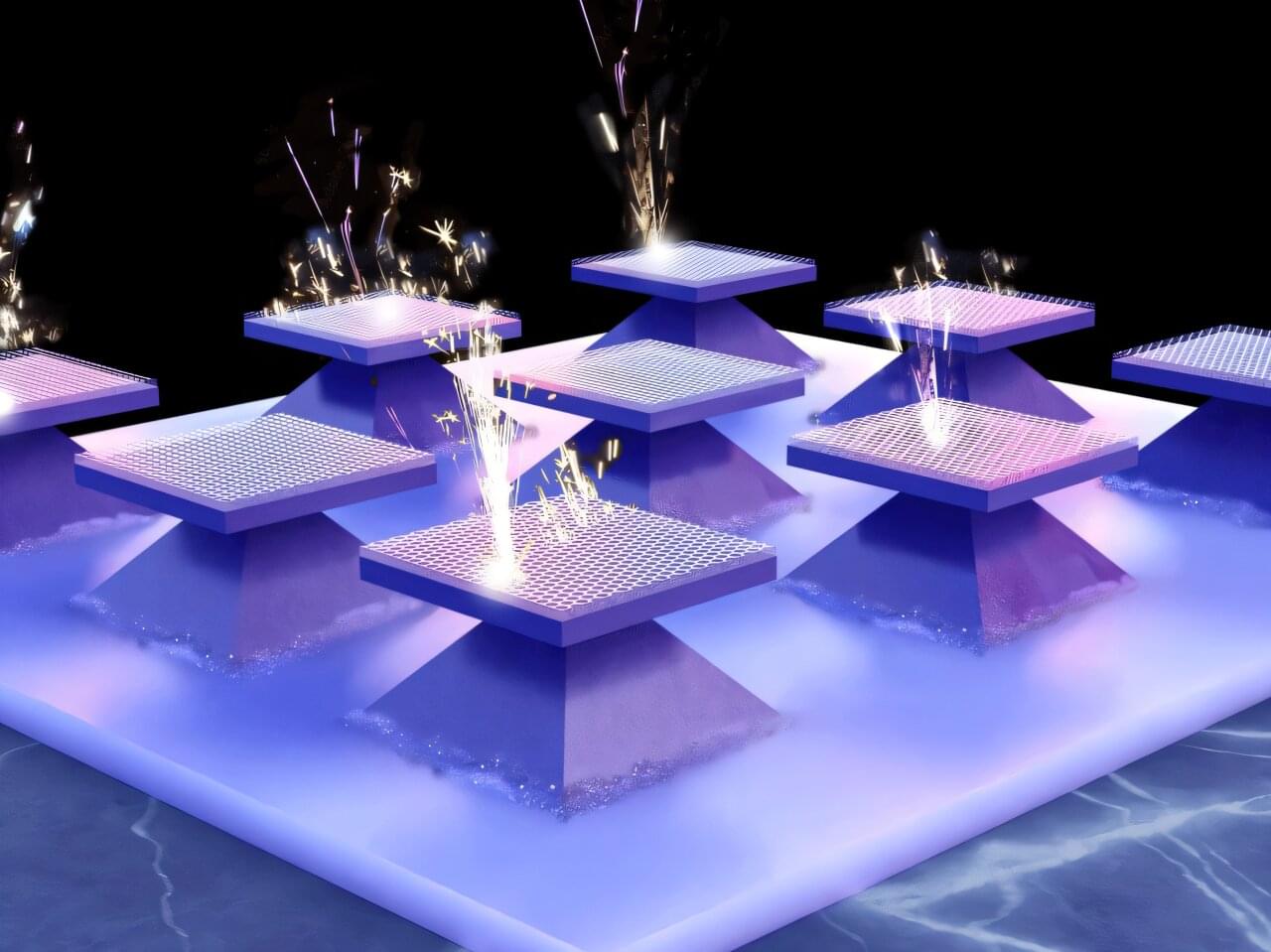
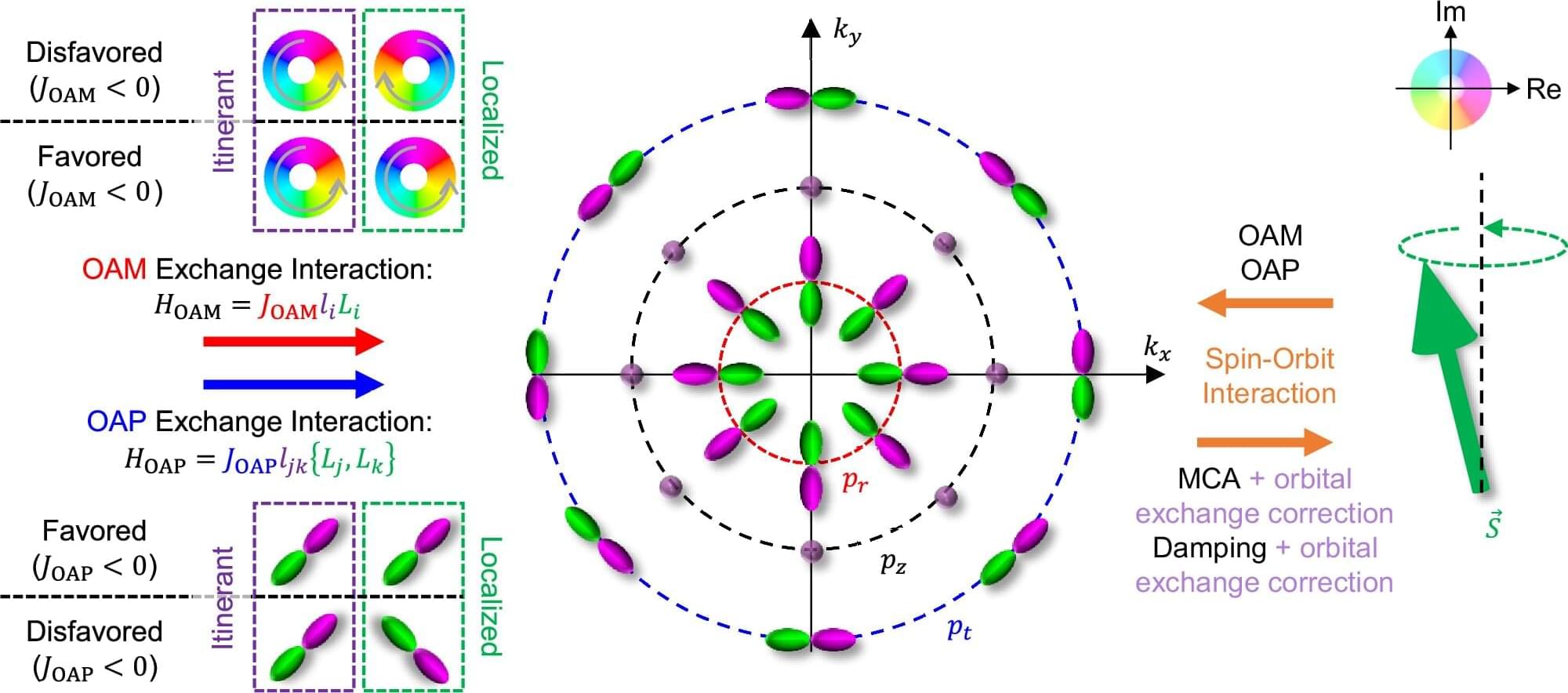
Research is actively underway to develop a “dream memory” that can reduce heat generation in smartphones and laptops while delivering faster performance and lower power consumption. Korean researchers propose a new possibility for controlling magnetism using the exchange interaction of electron orbitals—the motion of electrons orbiting around an atomic nucleus—rather than relying on the conventional exchange interaction of electron spin, the rotational property of electrons inside semiconductors.

A joint research team led by Professor Kyung-Jin Lee of the Department of Physics at KAIST and Professor Kyoung-Whan Kim of the Department of Physics at Yonsei University has established, for the first time in the world, a new theoretical framework enabling magnetism to be freely controlled through orbital exchange interaction, surpassing the limitations of conventional technologies that control magnetism using electric currents. The study is published in the journal Nature Communications.

Until now, next-generation memory research has mainly focused on the spin of electrons. Spin refers to the property of electrons that rotate on their own axis like tiny spinning tops, and information can be stored by using the direction of this rotation. However, electrons simultaneously move around the atomic nucleus along paths known as orbitals.

Communication-aware neural networks could advance edge computing

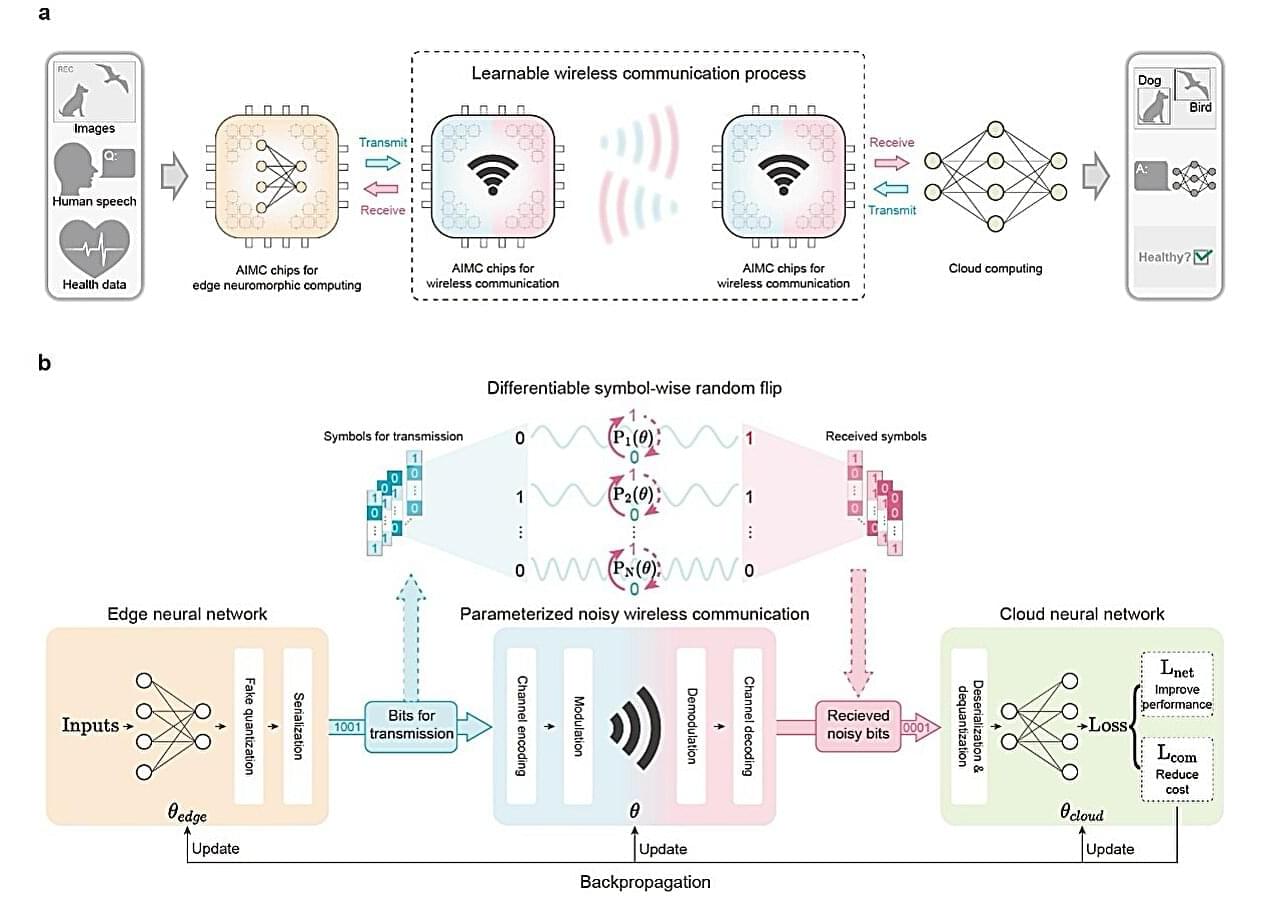
Edge computing is an emerging IT architecture that enables the processing of data locally by smartphones, autonomous vehicles, local servers, and other IoT devices instead of sending it to be processed at a centralized large data center. This approach could allow artificial intelligence (AI) models and other computational systems to perform tasks rapidly, while consuming less power.

Despite the potential of this approach, typically local devices have a limited battery capacity and restricted computing capabilities. This means they often need to send data to remote cloud servers via the internet to complete complex calculations. This transmission of information via wireless communication can consume significant amounts of energy, while also slowing down the rates of transmission.

Researchers at Nanjing University recently introduced a new approach that could potentially boost the speed of communication between edge devices and cloud servers, while also reducing energy consumption. Their proposed strategy, introduced in a paper published in Nature Electronics, relies on newly developed communication-aware in-memory wireless neural networks, new computational tools that combine computing, memory, and wireless communication into a single AI-powered system.

How an acid found in grapes could help recycle battery metals

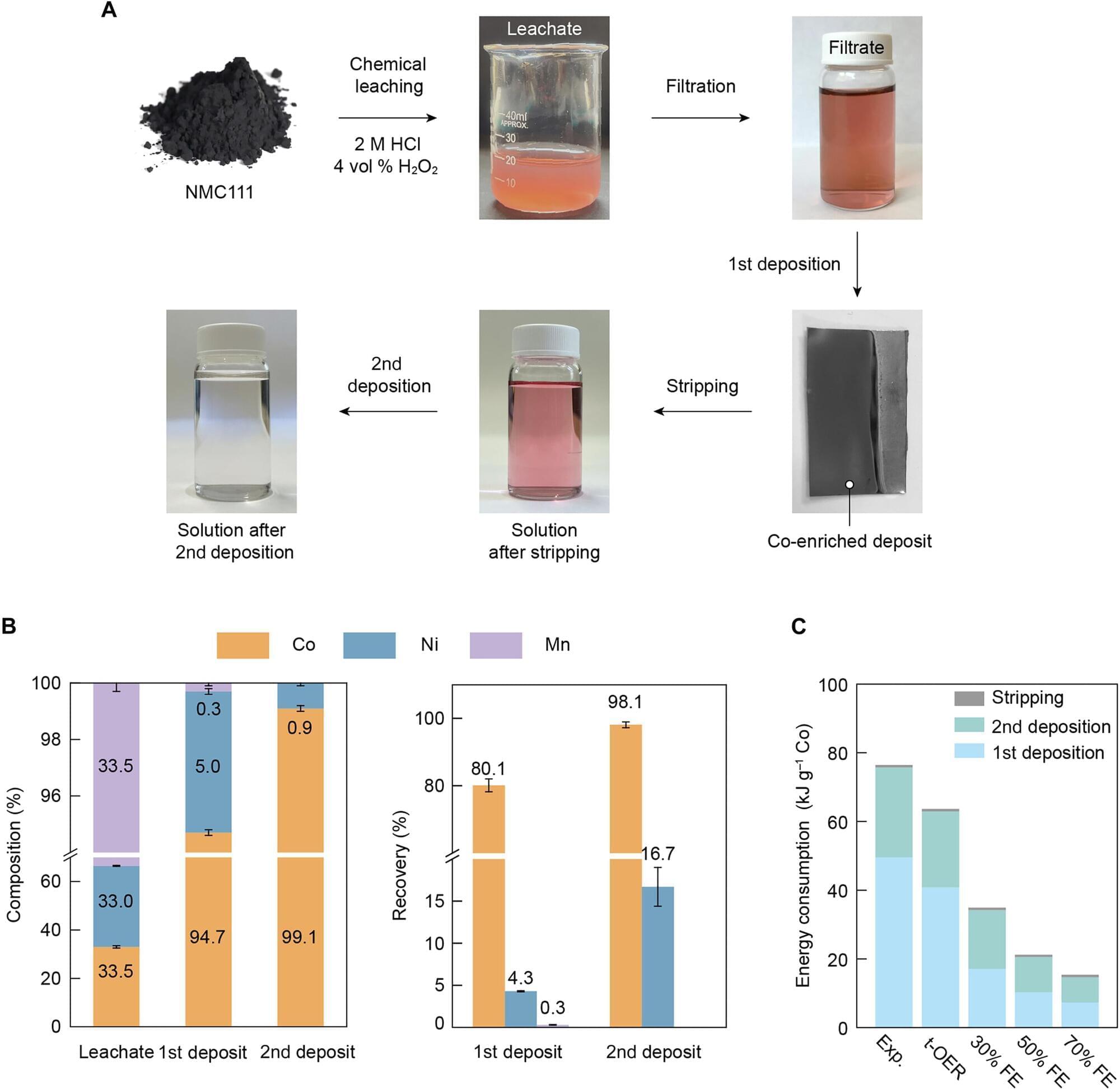
Cobalt and nickel are vital components for batteries, superalloys and catalysts, used in technologies ranging from smartphones to jet engines. But when it comes to recycling, they are notoriously difficult to separate because they are chemically nearly identical. To solve this, a team led by scientists at Johns Hopkins University in the United States has developed a cleaner and cheaper way to extract these elements. And it is thanks in part to grapes.

Atom-thin material could help solve chip manufacturing problem

Making computer chips smaller is not just about better design. It also depends on a critical step in manufacturing called patterning, where nanoscale structures are carved into materials to form the circuits inside everything from smartphones to advanced sensors.

To create these patterns, engineers use a hard mask, a thin, durable material layer that protects selected regions while the exposed areas are etched away.

“As chips get smaller, the manufacturing process becomes much more demanding,” said Saptarshi Das, Penn State Ackley Professor of Engineering Science and professor of engineering science and mechanics. “The mask used to define these patterns must survive extremely harsh processing conditions. If the mask degrades, the patterns cannot be transferred reliably.”

New BeatBanker Android malware poses as Starlink app to hijack devices

A new Android malware named BeatBanker can hijack devices and tricks users into installing it by posing as a Starlink app on websites masquerading as the official Google Play Store.

The malware combines banking trojan functions with Monero mining, and can steal credentials, as well as tamper with cryptocurrency transactions.

Kaspersky researchers discovered BeatBanker in campaigns targeting users in Brazil. They also found that the most recent version of the malware deploys the commodity Android remote access trojan called BTMOB RAT, instead of the banking module.

Cuffless Devices for the Measurement of Blood Pressure: A Scientific Statement From the American Heart Association

Cuffless BP devices have the potential to increase access and overcome barriers to BP screening, particularly for underresourced communities. Individuals from these communities—including people from rural areas, with low income, or from underrepresented racial or ethnic groups—often have a higher prevalence of hypertension and uncontrolled BP than their counterparts and face barriers to accessing health care services, including regular BP monitoring and confirmation of office BP with ABPM.32–34

One of the primary barriers to BP screening in underresourced communities is a lack of health care facilities and trained physicians.35 Cuffless devices, which are often portable and convenient and can be incorporated into everyday objects (eg, watches, smartphones), can be deployed in homes, in community centers, among lay community health workers, and by individuals themselves.4,5,36 This accessibility eliminates the need for individuals to travel long distances to receive basic health screenings, making it easier for residents of rural areas, or areas with shortages of health care professionals, to monitor their out-of-office BP regularly.

Cost is a major barrier hindering access to health care and traditional BP monitoring methods for individuals from underresourced populations, many of whom may be uninsured or underinsured. Cuffless BP devices could theoretically reduce costs, particularly when integrated into wearable or mobile devices that consumers purchase for multiple uses.36 However, because of the limitations of cuffless devices, including the need for calibration with additional purchased devices and insufficient accuracy, cost-effectiveness remains speculative.

Alibaba’s Qwen 3

QWEN 3.5 running on iPhone Pro in airplane mode. Full large language model running onan edge device with no network connectivity.


5 is now running fully on device on an iPhone 17 Pro, and that’s a big deal.

Despite its compact size, Qwen 3.5 reportedly outperforms models up to four times larger. It shows strong multimodal capability, meaning it can interpret and reason over images as well as text. It also includes a reasoning toggle, letting users switch between faster responses and deeper step by step thinking depending on the task.

The demo uses a 2B parameter model quantized to 6 bit precision, optimized with MLX for Apple Silicon. That combination allows advanced AI to run locally, without relying on cloud servers.

If this scales, it signals a shift toward powerful, private, on device AI that doesn’t need a data center to compete.

Using tiny ripples at skin level to monitor for possible health problems below

Caltech scientists have developed a method that detects tiny, imperceptible movements at the surface of objects to reveal details about what lies beneath. By analyzing the physics of waves traveling across the surface of an object—whether that be a manufactured product or the human body—the new technique can determine both the stiffness and thickness of the underlying material or tissue. This lays the groundwork for the project’s ultimate goal of enabling inexpensive, at-home health monitoring using little more than a smartphone camera.

“There is information scattered all around us in plain sight that we just haven’t learned to tap into. Our work is trying to leverage that information to recover material properties from inside objects by studying tiny movements on the surface,” says Katie L. Bouman, professor of computing and mathematical sciences, electrical engineering, and astronomy at Caltech and both a Rosenberg Scholar and a Heritage Medical Research Institute (HMRI) Investigator.

Bouman and her colleagues from Caltech presented the technique, called visual surface wave elastography, and its medical applications in a paper presented at the International Conference on Computer Vision in Honolulu last fall. The lead authors are Alexander C. Ogren, Ph.D., and Berthy T. Feng, Ph.D., who completed the work while at Caltech.

/* */