Toggle light / dark theme

The Genetics of Living Longer: Study Challenges Decades of Aging Research

What determines how long people live, and how much of their lifespan is influenced by genetics?

For many years, scientists believed the genetic contribution to human lifespan was relatively modest compared with other biological traits. Earlier estimates placed the heritability of lifespan at around 20 to 25 percent, and some more recent large studies suggested it might be even lower, in some cases below 10 percent.

A new study from the Weizmann Institute of Science now challenges that view. The research, published in the journal Science, reports that genetic differences may account for roughly half of the variation in human lifespan. This estimate is more than double many previous calculations. The work was led by Ben Shenhar in the laboratory of Prof. Uri Alon of the Weizmann Institute’s Molecular Cell Biology Department.

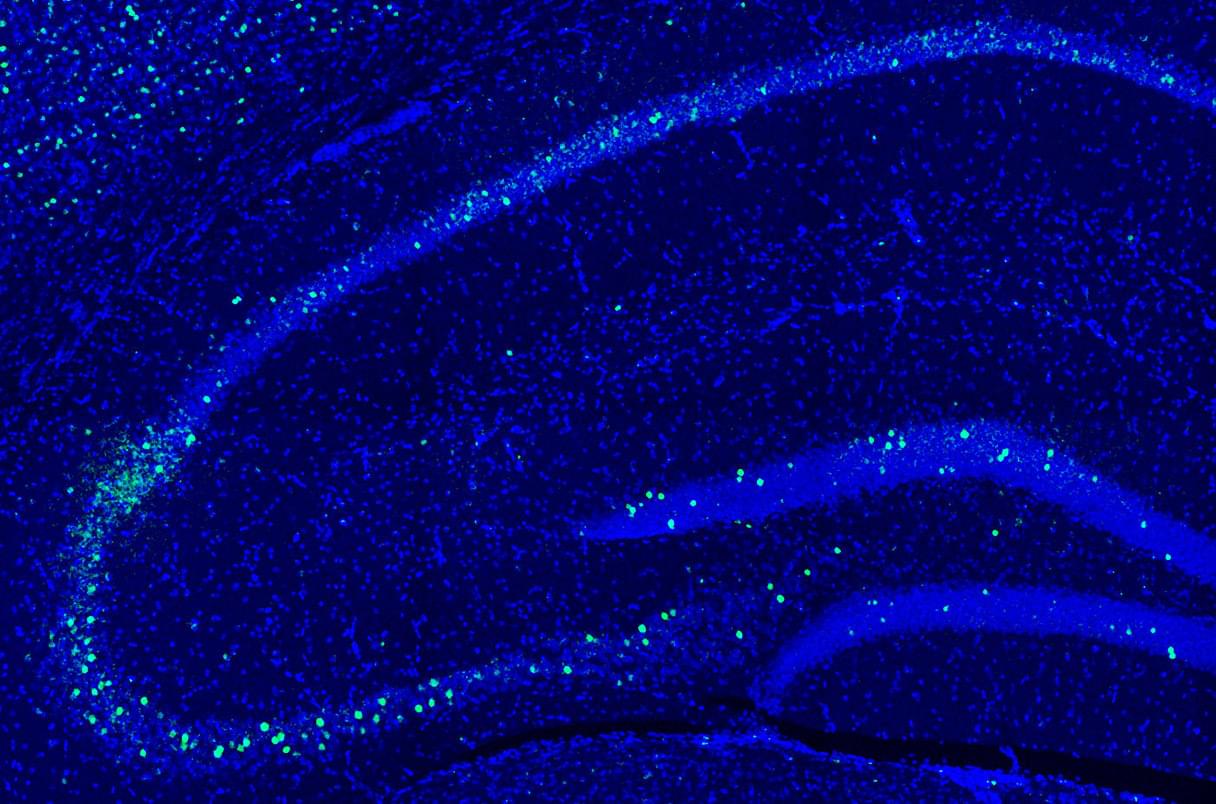
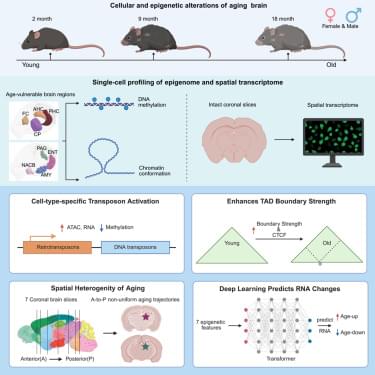
Type-specific transposon demethylation and TAD remodeling in aging mouse brain

Now online! A multi-omic single-cell atlas of the aging mouse brain reveals cell-type-specific transposon methylation changes, strengthening of 3D genome boundaries, and regionally heterogeneous aging signatures. These findings offer a resource to understand the molecular mechanisms of brain aging and guide future research on neurodegeneration.

Orbital Arcologies: Mega-Cities in Space

From O’Neill cylinders to spiral habitats, discover how humanity might build colossal, interconnected cities high above Earth.

Watch my exclusive video The Economics of Immortality: https://nebula.tv/videos/isaacarthur–… Nebula using my link for 40% off an annual subscription: https://go.nebula.tv/isaacarthur Get a Lifetime Membership to Nebula for only $300: https://go.nebula.tv/lifetime?ref=isa… Use the link https://gift.nebula.tv/isaacarthur to give a year of Nebula to a friend for just $36. Visit our Website: http://www.isaacarthur.net Join Nebula: https://go.nebula.tv/isaacarthur Support us on Patreon: / isaacarthur Support us on Subscribestar: https://www.subscribestar.com/isaac-a… Facebook Group: / 1,583,992,725,237,264 Reddit: / isaacarthur Twitter: / isaac_a_arthur on Twitter and RT our future content. SFIA Discord Server: / discord Credits: Orbital Arcologies — Mega Cities in Space Written, Produced & Narrated by: Isaac Arthur Graphics: Bryan Versteeg, Jeremy Jozwik, Katie Byrne, Udo Schroeter Select imagery/video supplied by Getty Images Music Courtesy of Epidemic Sound http://epidemicsound.com/creator Chapters 0:00 Intro — The Conductor’s Tale 4:43 Why Megacities in Space? 6:02 The Four Foundational Assumptions of Space Habitat Design 10:11 Flawed Assumptions & Specialized Habitats 11:28 The Urban Web – Tethered Transit and Megacity Growth 17:14 Nebula 18:24 Spiral Habitats – A Rolled-Up City in Space 20:19 Density and Design – Population Scaling 23:17 Green Limits – CO₂, Heat, and Living Space 26:08 The Future of Orbital Urbanization – Terran Swarms and Beyond.
Get Nebula using my link for 40% off an annual subscription: https://go.nebula.tv/isaacarthur.
Get a Lifetime Membership to Nebula for only $300: https://go.nebula.tv/lifetime?ref=isa
Use the link https://gift.nebula.tv/isaacarthur to give a year of Nebula to a friend for just $36.

Visit our Website: http://www.isaacarthur.net.
Join Nebula: https://go.nebula.tv/isaacarthur.
Support us on Patreon: / isaacarthur.
Support us on Subscribestar: https://www.subscribestar.com/isaac-a
Facebook Group: / 1583992725237264
Reddit: / isaacarthur.
Twitter: / isaac_a_arthur on Twitter and RT our future content.
SFIA Discord Server: / discord.
Credits:
Orbital Arcologies — Mega Cities in Space.
Written, Produced & Narrated by: Isaac Arthur.
Graphics: Bryan Versteeg, Jeremy Jozwik, Katie Byrne, Udo Schroeter.
Select imagery/video supplied by Getty Images.
Music Courtesy of Epidemic Sound http://epidemicsound.com/creator.

Chapters.
0:00 Intro — The Conductor’s Tale.
4:43 Why Megacities in Space?
6:02 The Four Foundational Assumptions of Space Habitat Design.
10:11 Flawed Assumptions & Specialized Habitats.
11:28 The Urban Web – Tethered Transit and Megacity Growth.
17:14 Nebula.
18:24 Spiral Habitats – A Rolled-Up City in Space.
20:19 Density and Design – Population Scaling.
23:17 Green Limits – CO₂, Heat, and Living Space.
26:08 The Future of Orbital Urbanization – Terran Swarms and Beyond.

Read more

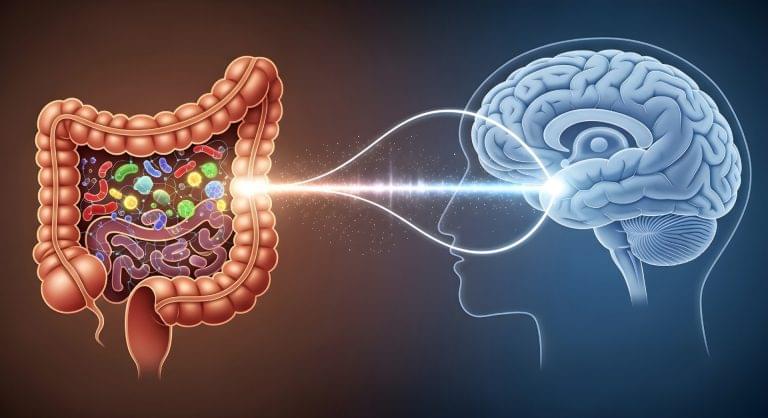
Enhancing gut-brain communication reversed cognitive decline, improved memory formation in aging mice

The sight of a delectable plate of lasagna or the aroma of a holiday ham are sure to get hungry bellies rumbling in anticipation of a feast to come. But although we’ve all experienced the sensation of “eating” with our eyes and noses before food meets mouth, much less is known about the information superhighway, known as the vagus nerve, that sends signals in the opposite direction — from your gut straight to your brain.

These signals relay more than just what you’ve eaten and when you are full. A new study in mice from researchers at Stanford Medicine and the Palo Alto, California-based Arc Institute has identified a critical link between the bacteria that live in your gut and the cognitive decline that often occurs with aging.

“Although memory loss is common with age, it affects people differently and at different ages,” said Christoph Thaiss, PhD, assistant professor of pathology. “We wanted to understand why some very old people remain cognitively sharp while other people see significant declines beginning in their 50s or 60s. What we learned is that the timeline of memory decline is not hardwired; it’s actively modulated in the body, and the gastrointestinal tract is a critical regulator of this process.”


By Krista Conger

Aging causes changes in gut bacteria in mice, which hampers communication between the intestines and the brain. Restoring this connection helped old mice form memories as well as young animals.

Stress-induced nucleolar rejuvenation via chaperone-mediated segregation in a filamentous fungus

Audra M. Rogers, Martin J. Egan et al. @UArkansas demonstrate that heat stress triggers nucleolar remodeling in filamentous fungi, enabling segregation of damaged material and selective inheritance of a new nucleolar compartment. This reveals a chaperone-mediated quality control mechanism that preserves nuclear function in highly polarized, multinucleate cells.


Model for nucleolar remodeling, partitioning, and quality control following heat shock. Schematic illustration of nucleolar remodeling in M. oryzae during recovery from heat stress. Heat shock damages the existing nucleolus. (2–3) A new nucleolar bud emerges from the old (preexisting) nucleolus and expands through de novo synthesis. Partial nuclear envelope breakdown permits entry of the molecular chaperones such as Hsp104 and Hsp70. The old nucleolar compartment accumulates SUMO-modified material and selectively recruits Hsp70 and Hsp104, mediating the partitioning of old and new nucleolar material. The newly formed nucleolus disassembles at mitotic onset and is preferentially inherited by daughter nuclei, while the old nucleolus is extruded and diminishes.

Figure 5.

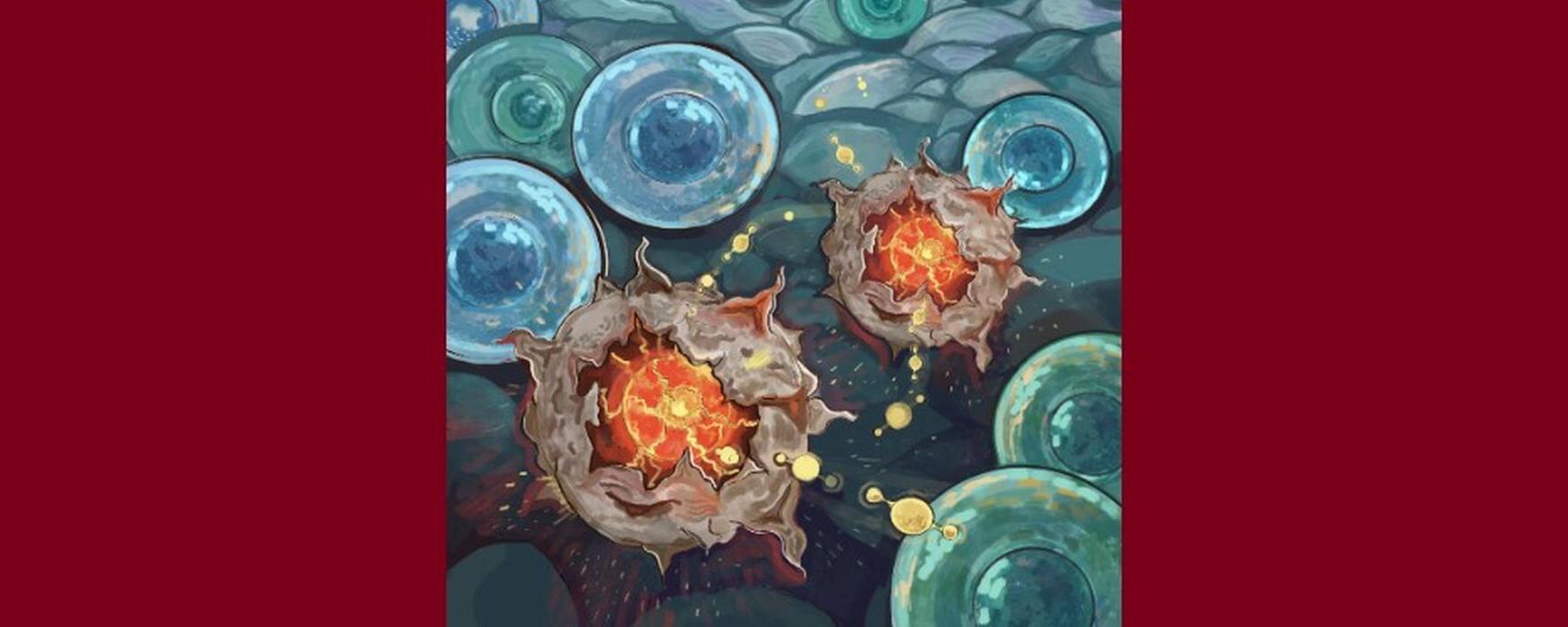
New research identifies fatty acids that selectively induce death in senescent cells, opening new avenues for age-related therapies

A research team from the University of Minnesota has discovered that certain polyunsaturated lipids (fatty acids) can selectively eliminate senescent cells — aged, dysfunctional cells that accumulate in the body over time and contribute to chronic disease and aging. The mechanism involves triggering ferroptosis, a regulated form of cell death, which senescent cells are particularly vulnerable to due to their elevated iron levels and heightened oxidative stress. This marks the first demonstration that fatty acids can act as senolytics (agents that clear senescent cells). While clinical application remains premature — further testing on animal models of age-related diseases is still needed — the findings open a promising new avenue for developing senolytic therapies targeting aging and its associated conditions.


MINNEAPOLIS/ST. PAUL (03/12/2026) —New research from the University of Minnesota Medical School has identified fatty acids that selectively induce death in senescent cells — the culprits behind aging and many chronic diseases, opening new avenues for age-related therapies. The findings were recently published in Cell Press Blue.

The research team discovered certain naturally occurring polyunsaturated lipids can selectively remove senescent cells. Senescent cells are old, damaged cells that accumulate with age and contribute to aging and many age-related diseases like pulmonary fibrosis, osteoarthritis and loss of resilience to infections.

These lipids cause senescent cells to die through a process called ferroptosis, which is a regulated form of cell death that occurs when iron in the cell triggers damaging reactions in its fats. The study also showed that these aging cells have high levels of iron and oxidative stress, which makes them uniquely susceptible to this process. Since lowering the number of senescent cells is associated with better health in old age, these natural, active fats could be used as a treatment for age-related illnesses caused by cellular senescence.

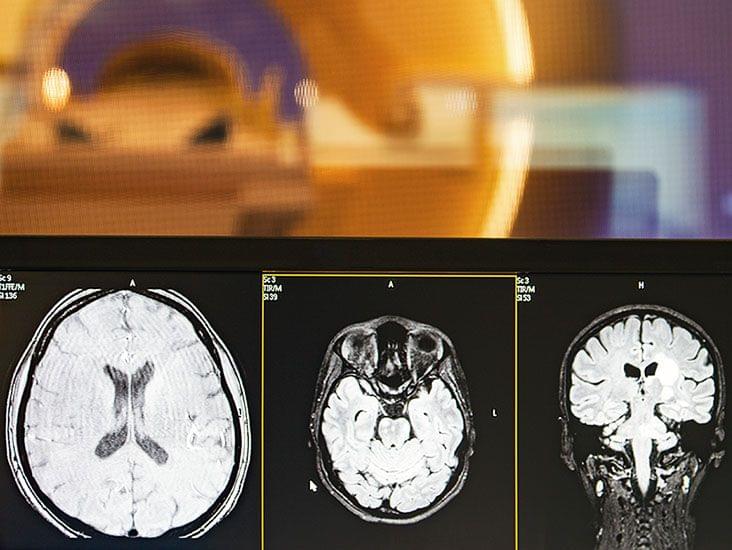
‘Tour de force’ mouse study shows a gut microbe can promote memory loss

Scientists have plenty of ideas about why aging impairs memory. Reductions in blood flow in the brain, shrinking brain volume, and malfunctioning neural repair systems have all been blamed. Now, new research in mice points to another possible culprit: microbes in the gut.

In a new study, scientists show how a bacterium that is particularly common in older animals can drive memory loss. This microbe makes compounds that impair signaling along neurons connecting the gut with the brain, dampening activity in brain regions associated with learning and memory, the team found.


Research suggests the microbiome may contribute to cognitive decline—but its relevance in humans is unclear.

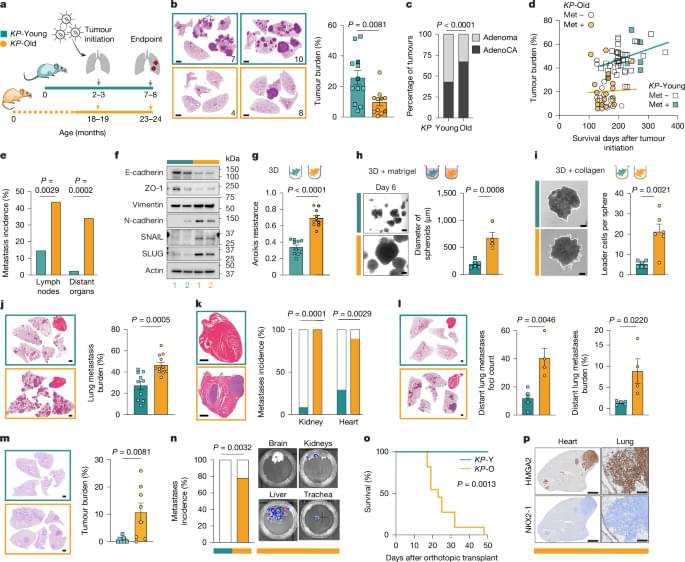
Ageing promotes metastasis via activation of the integrated stress response

Ageing reprograms the evolutionary trajectory of KRAS-driven lung adenocarcinoma, limiting primary tumour growth while promoting metastatic dissemination through epigenetic activation of the integrated stress response, and a therapeutic opportunity in older patients is revealed.

/* */