Toggle light / dark theme

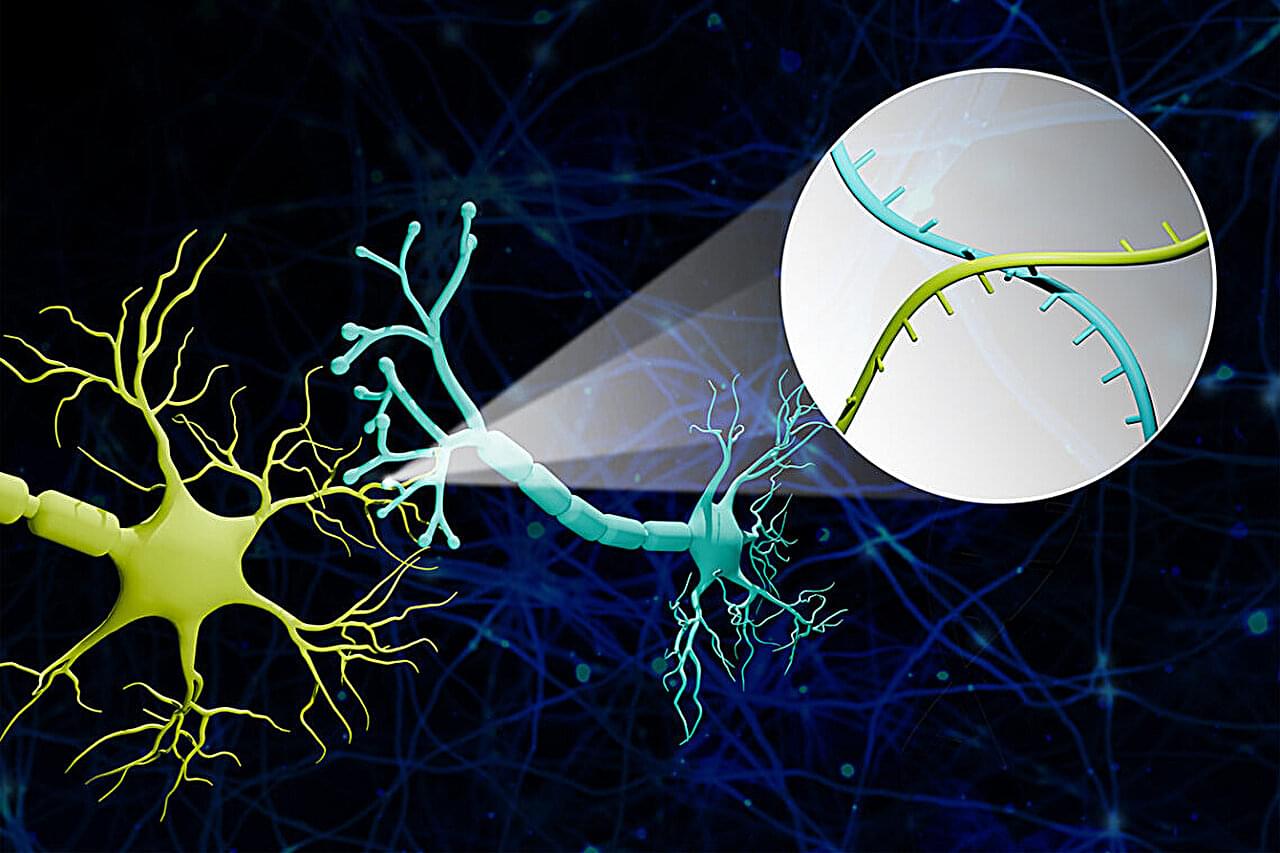
RNA barcodes fast-track brain connection mapping

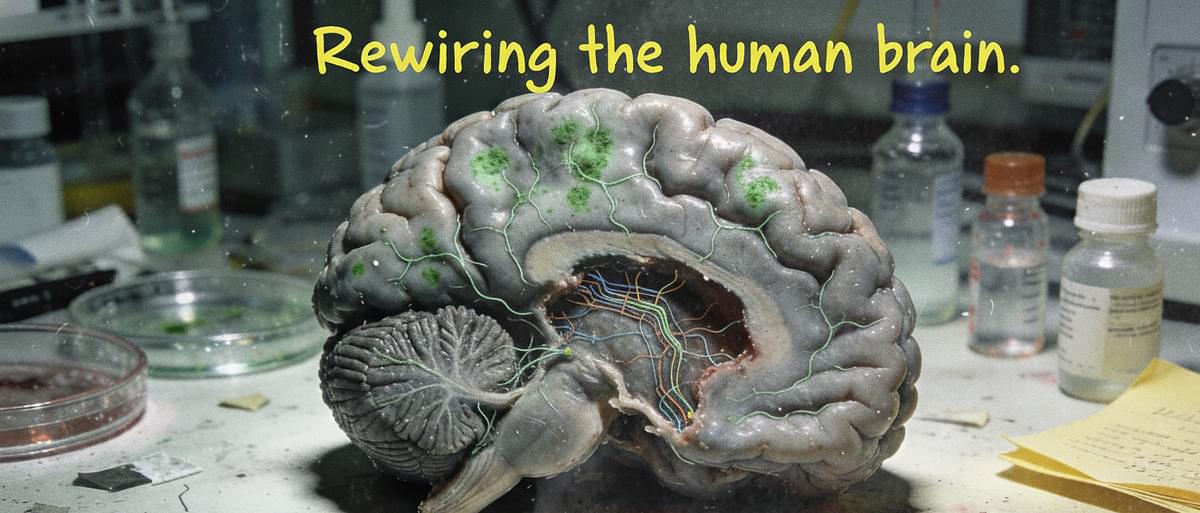
“When engineering a computer, you need to know the circuitry of the central processing unit. If you don’t know how everything is wired together, you can’t understand its function, optimize it or fix it when something breaks. We are approaching the brain the same way,” said study leader Boxuan Zhao, a professor of cell and developmental biology at the University of Illinois Urbana-Champaign.

“Our technology enables simultaneous mapping of thousands of neural connections with single-synapse resolution —a capability that doesn’t exist in any current technology. It is directly applicable to understanding circuit dysfunction in neurodegenerative diseases and could provide a platform for developing circuit-guided therapeutic interventions,” he said.

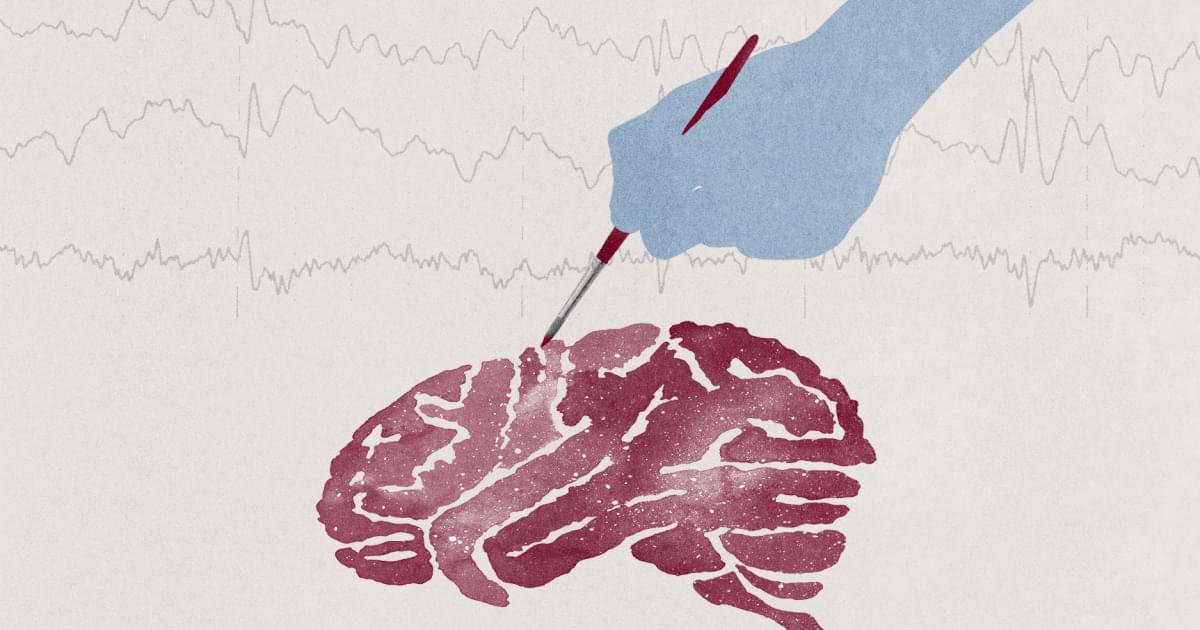
Association of Brain Network Perturbations With Response to Vagus Nerve Stimulation in Children With Drug-Resistant Focal Epilepsy

This study investigated whether preimplantation functional network perturbations in relation to interictal epileptiform discharges are associated with vagus nerve stimulation response in children with focal drug-resistant epilepsy.


Background and Objectives.

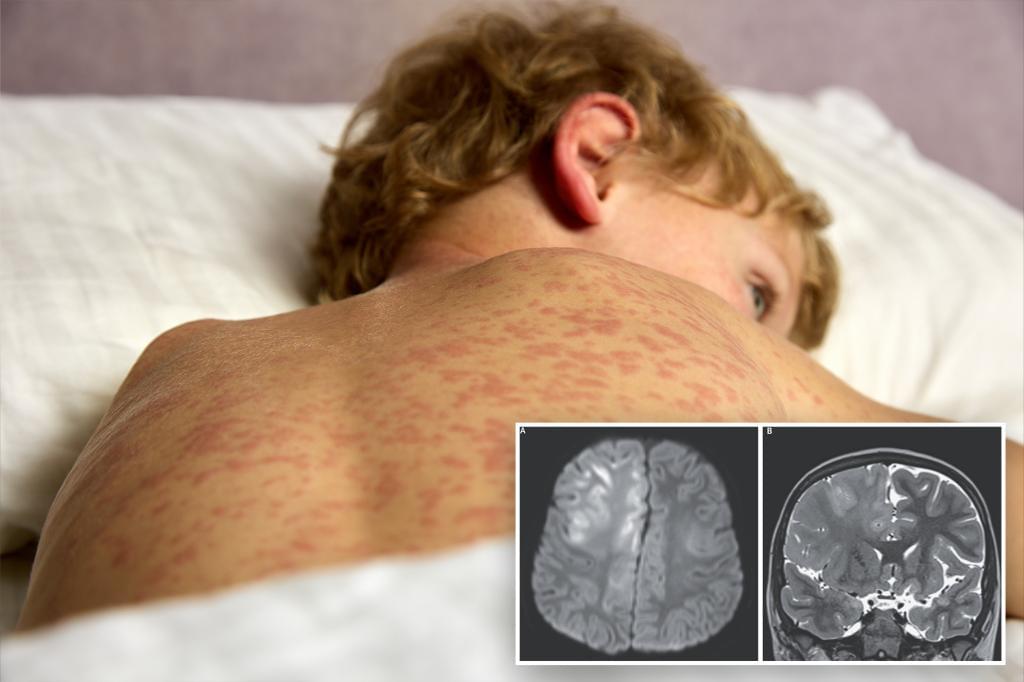
Boy, 7, dies of brain condition caused by world’s most contagious disease — years after he had it as a baby

Measles is a highly contagious viral infection that causes high fever, cough, red/watery eyes, and a characteristic blotchy rash, spreading through airborne droplets. It primarily affects children but can strike anyone, with severe cases leading to pneumonia, brain swelling, or death. Prevention is primarily through the MMR vaccine, which is 97% effective.

//He had contracted measles as a baby of just 7 months old — but fast-forward years later to when he was 6 and experiencing cognitive deterioration and seizures.

Doctors eventually diagnosed him with subacute sclerosing panencephalitis (SSPE), a neurological disease that can develop years after a measles infection.

This brain disorder usually starts with subtle personality changes, like memory loss, irritability or mood swings. Over time, it can progress to involuntary muscle spasms, loss of coordination, severe brain damage, coma — and almost always death.\
.

What is subacute sclerosing panencephalitis (SSPE): Subacute sclerosing panencephalitis (SSPE) is a rare, fatal, progressive neurodegenerative disorder of the central nervous system caused by a persistent, mutated measles virus infection. Typically affecting children or adolescents years after an initial infection, it causes cognitive decline, myoclonic jerks, and seizures, leading to death within 1–3 years. There is no cure, though prevention via measles vaccination is highly effective.


Even those who make a full recovery from the initial infection face a lurking threat: a deadly disease that remains latent until striking — and killing — years later.
C9orf72 hexanucleotide repeat RNA drives transcriptional dysregulation through genome-wide DNA: RNA hybrid G-quadruplexes

Transcriptional dysregulation hexanucleotide repeats in ALS

Repeat hexanucleotide RNAs in C9orf72 are implicated in amyotrophic lateral sclerosis (ALS) and frontotemporal dementia disease pathogenesis but the mechanisms of action remain incompletely understood.

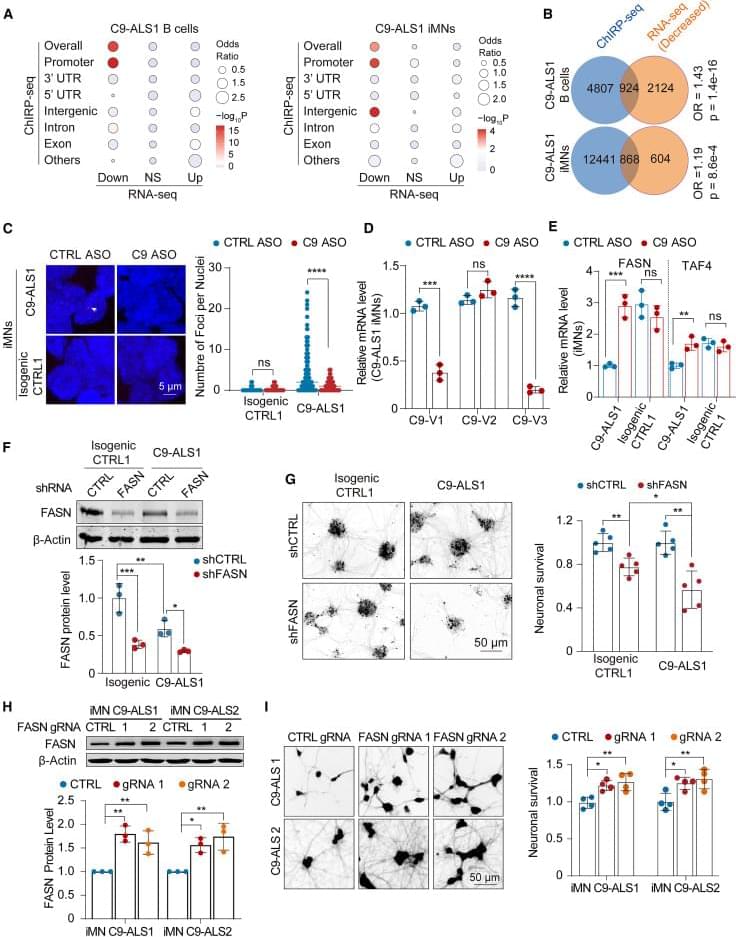
The researchers demonstrate that expanded C9orf72 G4C2 repeat RNAs bind gene promoters across the genome and form DNA: RNA hybrid G-quadruplexes (HQs) structures with DNA.

These structures obstruct RNA polymerase II and transcription factors, repress gene expression, and heighten neuronal vulnerability, providing mechanistic insights into neurodegeneration in ALS and FTD. sciencenewshighlights ScienceMission https://sciencemission.com/hexanucleotide-repeat


Liu et al. demonstrate that expanded C9orf72 G4C2 repeat RNAs bind gene promoters across the genome and form HQ structures with DNA. These structures obstruct key transcription machinery, repress gene expression, and heighten neuronal vulnerability, providing mechanistic insights into neurodegeneration in ALS and FTD.

PCIF1-mediated m6Am modification in ACC neurons participates in inflammatory pain and anxiety

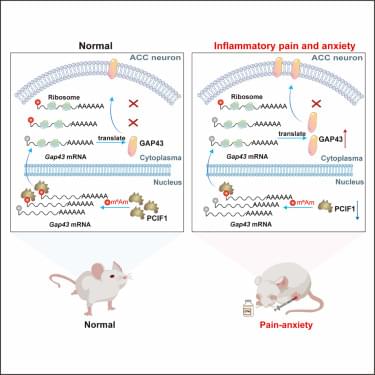
Liu et al. demonstrate that the m6Am methyltransferase PCIF1 in ACC neurons is crucial for both the initiation and maintenance of inflammatory pain and comorbid anxiety. They further reveal that PCIF1 modulates these behaviors by targeting Gap43 m6Am modification, thereby promoting GAP43 expression.

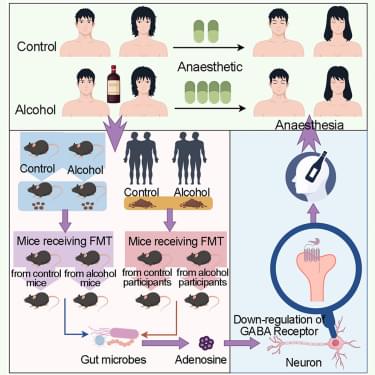
Adenosine signaling driven by the gut microbiota underlies chronic alcohol-induced anesthetic resistance

Wang et al. demonstrate that long-term alcohol consumption diminishes anesthetic sensitivity via a gut-microbiome-brain pathway. Their findings indicate that alcohol-induced dysbiosis elevates the metabolite adenosine, which subsequently downregulates brain GABAA receptors, thereby compromising anesthetic effectiveness.

Brain scans reveal link between thinner brain cortex regions and higher psychopathic traits

A team of researchers from Spain was curious to know if people with high psychopathic traits have anomalies in the brain’s physical structures, which make them incapable of feeling regret or capable of manipulation and other antisocial behavior. They conducted an experiment in which they interviewed men convicted of intimate partner violence (IPV) and a control group with no history of violence to measure their psychopathic traits, followed by brain scans.

The results showed that men with thinner cortex in certain brain regions—particularly fronto-temporo-parietal areas —tended to display higher antisocial tendencies, regardless of their history of violence.

Fronto-temporo-parietal cortex regions refer to parts of the brain’s outer layer, which houses gray matter and supports functions such as sensory processing, motor control, and higher cognitive activities. The findings further reinforce a broader idea in neuroscience that regions in these brain regions play a major role in shaping behaviors such as callousness, a lack of empathy, and manipulative tendencies.

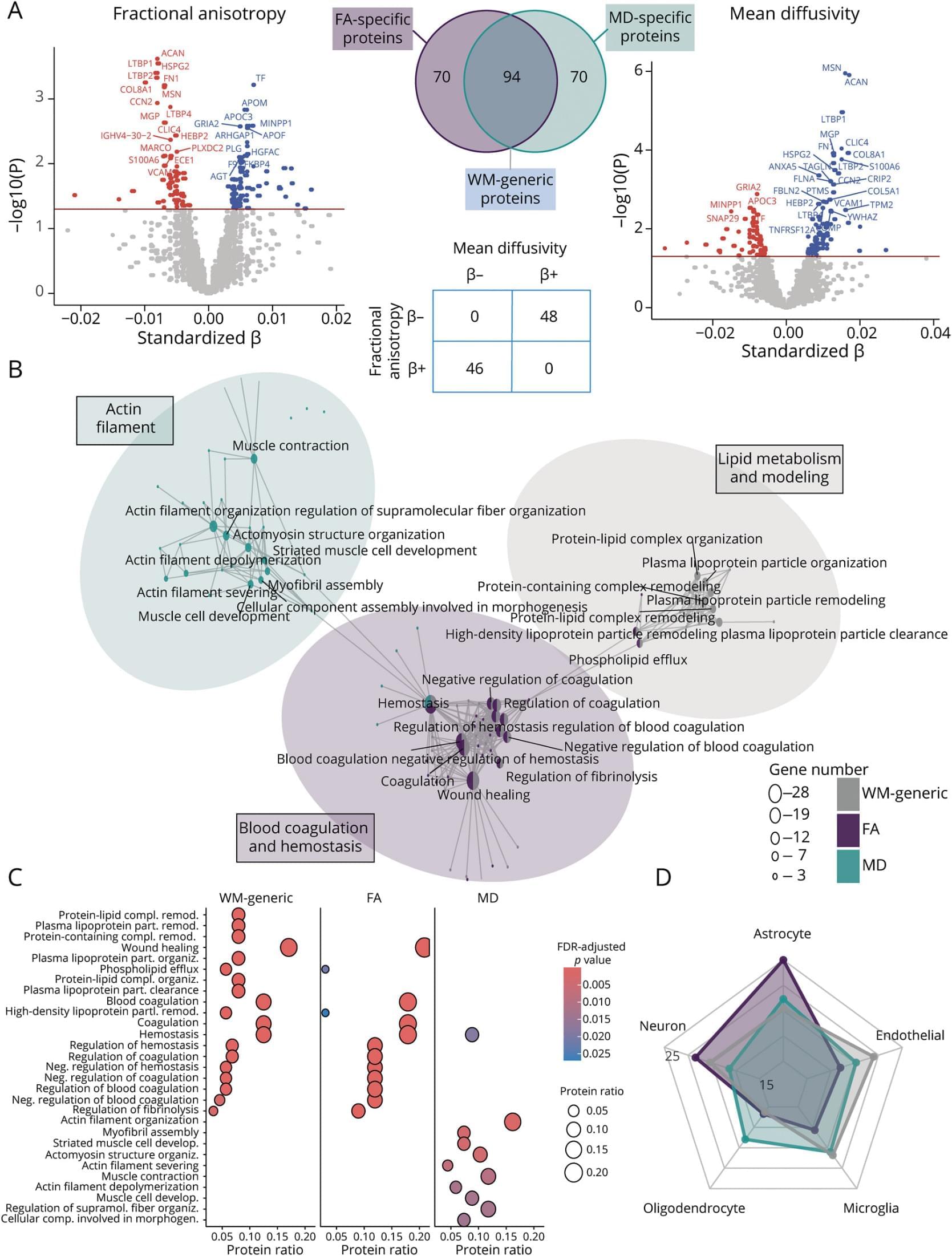
CSF Proteomic Profiles Associated With White Matter Integrity in Cognitively Normal Older Adults With and Without Amyloid Pathology

Background and ObjectivesIncreasing evidence indicates a potential role of white matter (WM) damage in the onset and progression of Alzheimer disease (AD). However, the biological processes underlying in vivo WM imaging biomarkers remain unclear. We…

/* */